 Lynden Siding
 Storm Damage Roof Repair Built for Kendall's Weather
Kendall sits in a stretch of Whatcom County that takes a real beating from Pacific weather systems. Homes here deal with driving rain that comes in sideways off winter storms, damp air that never fully dries between fronts, and a moss season that can run eight or nine months out of the year on a shaded roof. Add in the occasional windstorm strong enough to lift shingles or drop branches from the fir and cedar stands that surround so many Kendall properties, and you've got a roof that's under more sustained stress than most homeowners realize. Storm damage roof repair out here isn't just about patching after one bad night — it's about understanding how this specific climate compounds small problems into big ones if they're not caught and corrected properly.
We work on roofs throughout Lynden and the surrounding Whatcom County communities, including Kendall, and we've seen the same patterns repeat: a windstorm lifts a few shingle tabs, nobody notices because the roof isn't leaking yet, and six months of moss growth and standing moisture later, what should have been a $400 repair turns into a full section tear-off. This page focuses specifically on what storm damage repair looks like for Kendall homes and how we approach it.
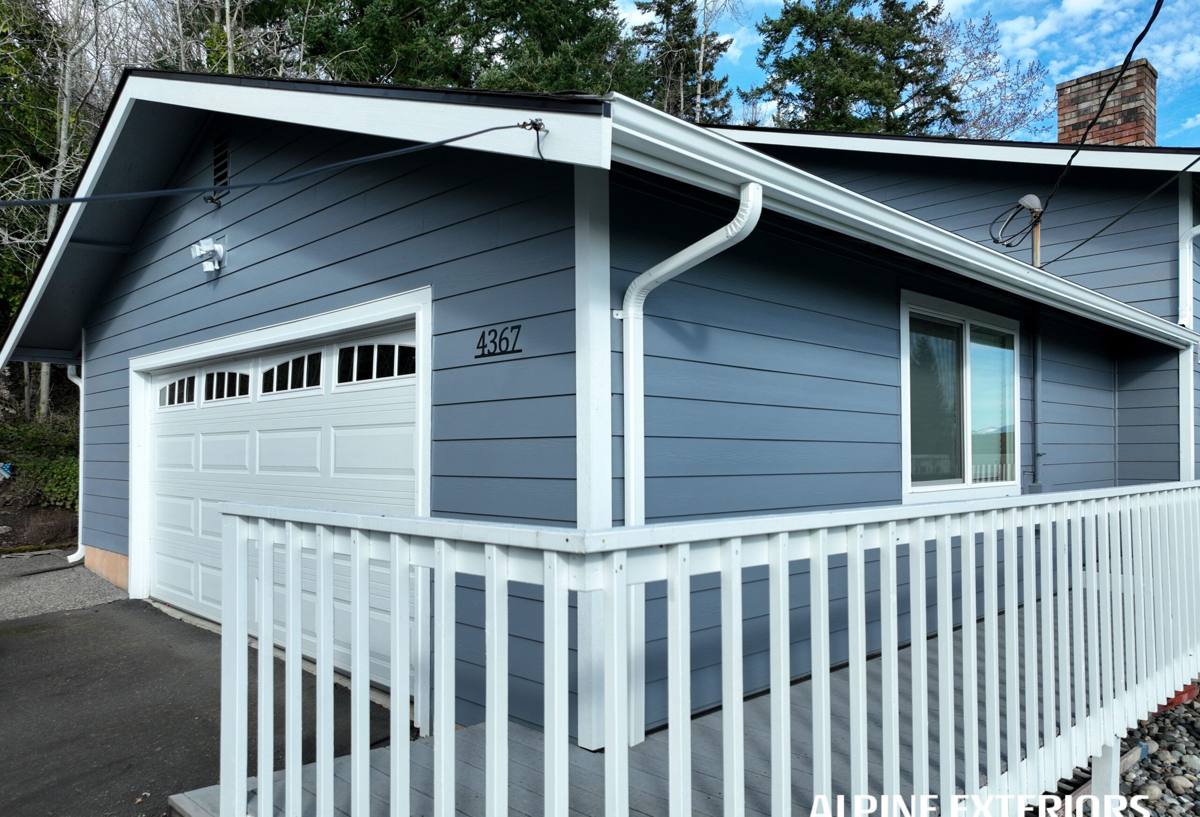
How Storms Actually Damage a Roof Here
Storm damage doesn't always show up as an obvious hole or missing shingles. In this part of Whatcom County, it's often a combination of forces working together over time.
Wind
Sustained wind and gusting fronts can lift shingle edges, break the seal strip that holds tabs down, and crease or crack shingles without fully removing them. A shingle that's been lifted and re-laid by wind may look fine from the ground but no longer sheds water correctly.
Driving Rain
When rain comes in at an angle instead of falling straight down, it gets pushed under flashing, around vent boots, and into any gap that wouldn't be a problem in calmer weather. This is one of the most common ways storm damage turns into a hidden leak rather than an obvious one.
Moss and Trapped Moisture
Kendall's tree cover and damp, shaded conditions mean moss gets a long growing season. Moss holds water against the shingle surface, works its way under tabs and around nail heads, and accelerates granule loss. A roof weakened by moss is far more vulnerable the next time a storm hits, because the shingles have already lost some of their grip and waterproofing.
Debris Impact
Falling branches and wind-thrown debris are a real factor on wooded and treed lots. Impact damage can crack shingles, dent metal flashing, or knock granules loose in a way that's easy to miss during a quick visual check from the ground.
Signs Your Kendall Home May Have Storm Damage
Most storm damage is not dramatic. It shows up as small, quiet clues that are easy to overlook until a leak develops. Walk your property after any significant wind or rain event and look for the following:
- Shingle pieces, granules, or tab fragments in gutters or on the ground near the foundation
- Shingles that look curled, lifted at the edges, or out of alignment with the surrounding pattern
- New or worsening moss growth concentrated on one slope, especially north-facing or shaded areas
- Flashing around chimneys, vents, or roof valleys that looks bent, pulled loose, or gapped
- Water stains or discoloration on interior ceilings, especially near exterior walls or after a storm
- Sagging or soft spots on the roof deck, which can indicate moisture has already reached the wood underneath
- Gutters pulling away from the fascia or overflowing during rain, which points to blockage or damaged flashing
Any one of these on its own might not mean much. Two or three together, especially after a storm, is worth a closer look before the next round of rain finds the weak spot.
What a Correct Storm Damage Repair Actually Involves
A rushed or surface-level repair after a storm is one of the most common ways homeowners end up paying for the same problem twice. Doing it right means going past the visible damage to understand what the storm actually did to the roof system.
Full Inspection, Not a Drive-By
We get on the roof, not just look at it from the driveway. That means checking the shingle field, all flashing points, vent boots, valleys, and the roof deck itself for soft spots. In a wooded area like Kendall, we also check gutters and downspouts for debris that can back water up under the roof edge.
Emergency Protection First
If a storm has left an active leak or exposed decking, the first priority is stopping water intrusion — tarping or temporary sealing — before doing any permanent repair. Rushing a permanent fix onto a wet deck traps moisture and causes problems later.
Matching Materials and Technique
Replacement shingles need to match the existing roof's type, color, and exposure as closely as possible, and they need to be installed with the correct nailing pattern and sealant, not just laid over the damaged area. Flashing repairs use new metal formed to fit the specific valley or penetration, not a generic patch.
Moisture Check Before Closing Up
Any area that had a leak gets checked for trapped moisture in the decking before we close it back up. Sealing over wet plywood is one of the fastest ways to grow hidden rot and mold, and it defeats the purpose of the repair.
Repair vs. Full Replacement: What Decides It
Not every storm-damaged roof needs to be replaced, and not every damaged roof can be safely patched. The right call depends on a handful of factors we walk through on every inspection.
| Factor | Favors Repair | Favors Replacement |
|---|---|---|
| Extent of damage | Isolated to one slope or a small area | Spread across multiple slopes or the whole roof |
| Roof age | Under roughly 10-12 years, still in good general condition | Near or past typical shingle lifespan |
| Underlying deck condition | Deck is dry and sound | Deck shows rot, soft spots, or repeated leak history |
| Moss and granule loss | Light, localized moss with minimal granule loss | Heavy moss coverage with visible bare spots |
| Shingle availability | Matching shingles still manufactured or in stock | Discontinued style, poor color/profile match |
We'll always tell you honestly which side of this table your roof falls on. A repair that's likely to fail again within a year or two isn't a service to us or to you — we'd rather give you the real picture up front.
Our Process, Start to Finish
1. Inspection and Documentation
We inspect the roof, photograph the damage, and give you a clear written explanation of what happened and what it needs. This documentation is also what you'll want on hand if you're filing an insurance claim.
2. Straightforward Estimate
You get a written estimate that separates emergency protection (if needed) from the permanent repair, so you know exactly what you're paying for and why.
3. The Repair Itself
Work is scheduled around the weather when possible — we don't install shingles onto a wet or actively rained-on deck if it can be avoided, since a compromised seal defeats the point of the repair.
4. Cleanup and Final Check
Debris, old shingle fragments, and nails are cleared from the roof, gutters, and ground. We do a final walk-through so you can see exactly what was done.
Storm Damage and Insurance Claims
Many storm damage repairs are at least partially covered by homeowners insurance, but coverage depends on your policy, the cause of damage, and how well the damage is documented. We provide clear photo documentation and a written scope of damage that you can submit with a claim. We're not an insurance adjuster and won't promise a specific coverage outcome, but we can make sure the paperwork on the roofing side is accurate and complete, which matters when a claim is being reviewed.
Why It Matters to Hire a Crew That Already Works in Kendall
A roofer who works regularly in and around Kendall already understands how tree cover, elevation, and moisture patterns in this part of Whatcom County affect a roof differently than a roof in a more open, drier area. That local familiarity shows up in small but important ways: knowing which slopes on a typical Kendall property tend to hold moss longest, recognizing early signs of wind damage before they become leaks, and understanding what materials actually hold up to years of driving rain and salt-influenced air rather than just looking good on installation day. It also means faster response after a storm, since we're not driving in from outside the area to assess damage that's often time-sensitive.
Reducing Future Storm Damage
Once a repair is done, a few maintenance habits go a long way toward keeping the next storm from causing the same problem again.
- Have moss treated and removed on a regular schedule rather than waiting until it's visibly thick
- Keep gutters and downspouts clear so storm water has somewhere to go besides under the roof edge
- Trim back tree limbs that overhang the roofline to reduce debris impact and shade-driven moss growth
- Schedule a roof check after any major windstorm, even if nothing looks obviously wrong from the ground
- Address small flashing or shingle issues promptly rather than waiting for the next storm to make them worse
If a recent storm has left you with missing shingles, a new leak, or you're just not sure whether your Kendall home's roof came through the last round of weather unscathed, we're happy to take a look. Reach out for a free, no-pressure estimate using the form below.