 Lynden Siding
 Why Siding Problems Are Easier to Miss Than You'd Think
Siding is one of those parts of a house that people stop seeing after a while. It's just the wall — the color you picked out years ago, the texture you walk past every day. That familiarity is exactly why early warning signs get missed. A homeowner in Lynden might notice a downspout leak or a roof shingle curling long before they notice a hairline crack near a window trim, even though the crack can be doing just as much damage behind the scenes.
Whatcom County's climate doesn't do siding any favors. Long stretches of driving rain in the fall and winter, humid air drifting in off Puget Sound and Bellingham Bay, and a moss season that can run eight months out of the year all combine to punish anything on the exterior of a house that isn't holding up its end of the deal. The goal of this page isn't to scare anyone — it's to give Lynden homeowners a practical way to catch problems while they're still cheap to fix.
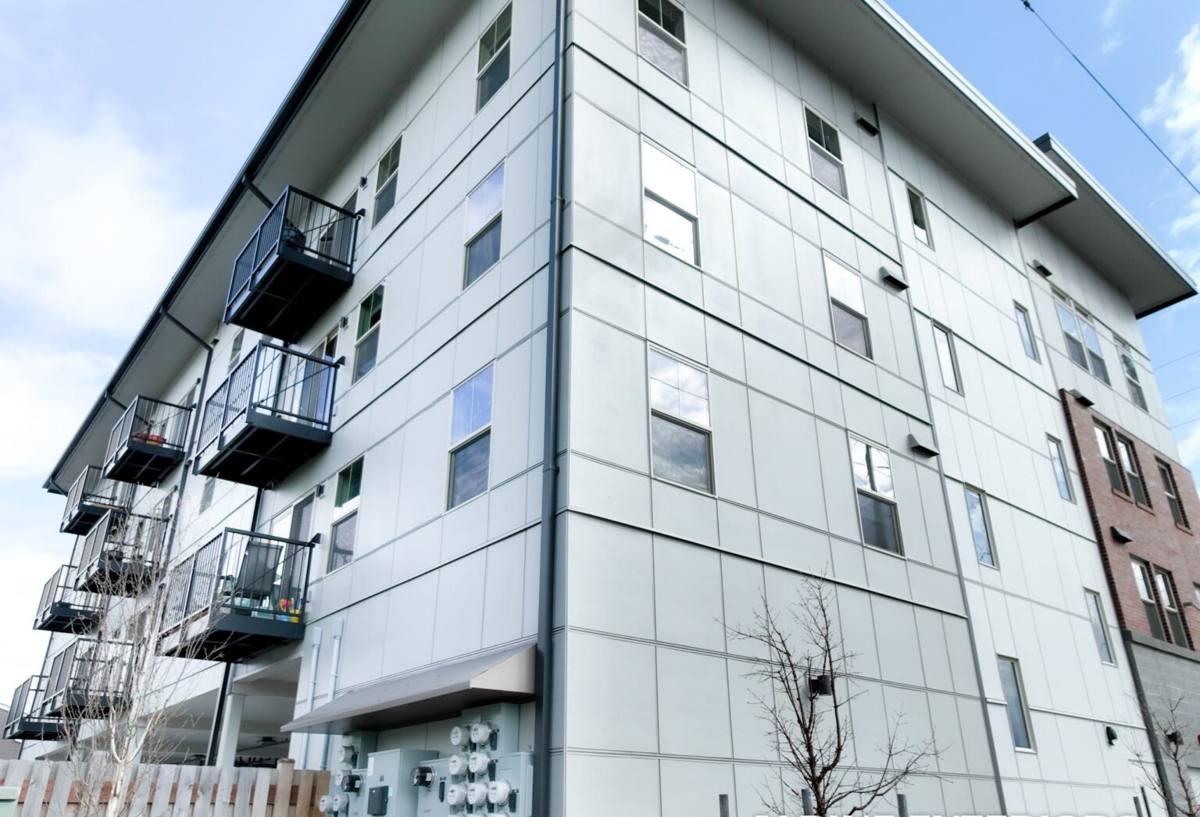
The Visible Warning Signs Worth Walking Your House For
Cracking and splitting
Cracks are the most obvious red flag, but their significance depends on where they show up. A crack along a butt joint or at a nail location is often a sign of movement or moisture swelling behind the board. On wood-based products, a split that runs with the grain usually means the board absorbed water, expanded, and tore itself apart from the inside. Once water has a crack to travel through, the damage accelerates — what starts as a cosmetic issue becomes a path for rot.
Bubbling, peeling, or chalking paint
Paint failure on siding almost never means "it's just time to repaint." Bubbling or peeling paint, especially in patches rather than evenly across a wall, is usually a sign that moisture is trapped underneath the surface and pushing the finish off from behind. Chalking — a powdery residue that rubs off on your hand — is more normal wear on some products, but on others it signals the factory finish has broken down years ahead of schedule.
Soft or spongy spots
Press gently on siding near the bottom of a wall, around hose bibs, under windows, or near roof-to-wall transitions. If it flexes, feels spongy, or gives at all under light pressure, that's not a maintenance issue — that's a board that has absorbed water and started to break down structurally. This is one of the most common failure points on wood and engineered-wood siding products in wet climates.
Buckling and warping
Waves, bulges, or boards that no longer sit flat against the wall usually mean moisture has gotten in behind the siding, or that the material itself has expanded and contracted enough times to lose its shape. Buckling is rarely a cosmetic-only problem — it almost always points to a moisture or installation issue underneath.
Moss, Algae, and Mildew: More Than a Cosmetic Problem
Whatcom County's moss season is long, and it isn't limited to roofs and driveways. North-facing walls, siding shaded by mature trees, and areas near gutters that stay damp are all prime real estate for moss and algae growth. A little green tint on a wall isn't an emergency, but moss that's established a real foothold holds moisture directly against the siding surface around the clock. That constant dampness is what turns a minor coating issue into wood rot, delamination, or a paint failure over a season or two.
Mildew — the black or gray speckling that shows up in shaded, poorly ventilated corners — is a similar story. It's a symptom, not the root problem. If mildew keeps coming back in the same spot no matter how many times it's washed off, that's usually a sign of a ventilation or drainage issue behind the siding, not a cleaning problem.
Moisture Damage You Can't See From the Ground
Some of the most expensive siding failures start in places a homeowner never looks. It's worth using binoculars or a phone camera zoom on these spots at least once a year:
- Nail pops: fasteners backing out slightly, leaving a raised dimple or a small gap — an early sign of movement or the wrong fastener for the material
- Caulk failure at trim and window edges: cracked, shrunken, or missing caulk lets driving rain track directly behind the siding
- Gaps at butt joints: boards that have pulled apart slightly, common after repeated wet-dry cycles
- Staining below seams: a dark streak running down from a joint is often the visible trail of water that's been getting behind the siding for a while
- Soft trim boards: corner boards and window trim take on water even when the field siding is holding up fine
None of these are cause for panic on their own, but each one is worth a phone call to a contractor if you spot it. Caught early, most of these are a caulking or fastener fix. Left alone through another Whatcom County winter, they turn into sheathing repair.
How Different Siding Materials Show Their Age
Not all siding fails the same way, and knowing what to expect from your particular material helps you know what's normal wear versus what's a real problem.
| Material | Common early warning sign | What it usually means |
|---|---|---|
| Cedar or primed wood | Cupping boards, peeling paint, soft edges | Moisture absorption; repainting cycles get shorter as the wood ages |
| Engineered wood (LP-type) | Swelling at edges and seams, especially near the ground | Moisture has reached the wood-strand core; swelling rarely reverses |
| Vinyl siding | Warping, buckling waves, brittleness/cracking in cold snaps | Heat distortion or age-related brittleness; panels can't be spot-repaired invisibly |
| Fiber cement (James Hardie) | Caulk or paint wear at seams over many years | Normal maintenance item; the board itself resists moisture, rot, and pests |
The point of this comparison isn't to pile on any one product — it's to help you read your own siding correctly. A little edge swelling on engineered wood siding means something different than the same spot on fiber cement, and knowing that changes whether you're looking at a caulk job or a board replacement.
DIY Monitoring vs. Calling a Professional
Homeowners can catch a lot with a simple annual walk-around. A professional inspection makes sense when something looks off but you're not sure how serious it is, or when your home is coming up on the age where moisture issues tend to surface.
- Walk the full perimeter of the house once in spring and once in fall, including areas hidden by shrubs or fencing
- Check under eaves, around hose bibs, and anywhere two rooflines meet the wall
- Press-test any spot that looks discolored, stained, or slightly swollen
- Look at caulk lines around every window and door — recaulking is cheap; the water damage from skipping it isn't
- Clear moss and debris from anywhere water can pool against the siding, including behind downspouts
- If you find soft spots, active leaks, or more than one or two areas of concern, get a professional opinion before deciding on repair versus replacement
What a Real Siding Inspection Should Cover
Not every inspection is thorough. A good one includes more than a glance from the driveway. It should cover the condition of the siding material itself, the caulking and flashing at every penetration (windows, doors, hose bibs, vents), the trim boards and corner posts, the transitions where the siding meets the roofline, and — where soft spots or staining are found — a check of the sheathing underneath to see whether the damage has spread past the siding itself. A contractor who only looks at the surface is going to miss the moisture problems that actually cost money.
Why We Rebuild Lynden Homes With James Hardie
After years of seeing which siding problems keep coming back and which ones don't, our crews standardized on James Hardie fiber cement for every full siding job we do. It's non-combustible, it doesn't absorb and swell the way wood-based products do, its ColorPlus factory finish holds color far longer than field-applied paint, and Hardie's HZ product lines are engineered for exactly the wet, moss-prone climate Whatcom County deals with. It also carries a strong transferable warranty, which matters if you plan to sell the house down the road.
That's not a knock on every other product on the market — it's a reflection of what our own crews have had to repair and replace over the years. When the siding on this page starts showing more than one or two of the warning signs above, fiber cement is what we recommend for the replacement, and it's the only siding we install.
Getting Ahead of It
Most siding failures don't happen overnight — they build slowly through one wet Lynden winter after another until a small issue becomes a big one. Catching the early signs above can be the difference between a caulking touch-up and a full wall repair. If you've spotted any of the warning signs on this page, or you just want a second set of eyes on your home's exterior, we're glad to come take a look. We offer free, no-pressure estimates and honest answers about what we find — no obligation either way.