 Lynden Siding
 Siding Built for Custer's Coastal-Edge Climate
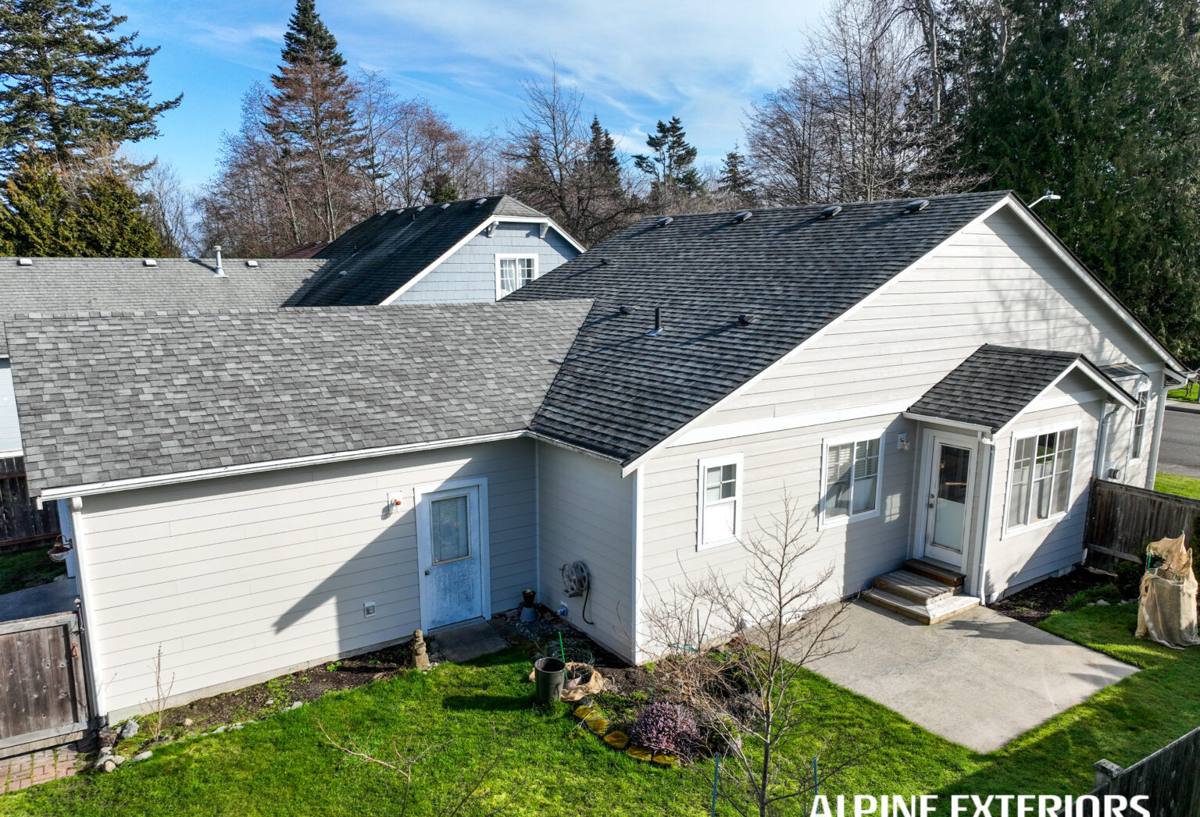
Custer sits in that stretch of Whatcom County where the Salish Sea's influence is never far away. Homes here deal with a combination that's harder on exterior materials than most people realize: salt-tinged air drifting in off the water, driving rain that comes in sideways during winter storms, and a moss season that can run eight or nine months out of the year in shaded, north-facing spots. It's a different set of demands than what a siding product built for a dry inland climate is designed to handle, and it's the reason we pay close attention to material choice, not just installation quality, when we work on homes in this area.
We're based out of Lynden, just down the road, which means our crews already know this stretch of the county — the weather patterns, the way certain properties catch more wind and moisture than others, and what tends to go wrong on a house that's been under-maintained through a few wet winters. That local familiarity matters more than it sounds like it should when you're deciding who touches your exterior.
What Salt Air and Moisture Actually Do to Siding
Salt air isn't just a coastal-postcard detail — it's a slow chemical stressor. Airborne salt accelerates corrosion on exposed fasteners and metal trim, and it can degrade certain paints and coatings faster than inland weathering would. Combine that with near-constant moisture exposure and you get an environment where any weak point in a siding system — a poorly sealed seam, a cheap coating, a material that absorbs water — gets found out quickly.
Driving Rain and Wind-Driven Moisture
Custer's exposure to open fields and proximity to the water means wind-driven rain is a real factor, not a once-a-year event. Rain that hits siding at an angle works its way into gaps and laps that would stay dry in a calmer climate. Over years, that repeated wetting and drying cycle is what causes warping, delamination, and rot in materials that aren't engineered to shed water aggressively.
The Long Moss Season
Shaded roof lines, north-facing walls, and anything under tree cover in this part of the county stay damp for extended stretches. Moss and algae don't just look bad — they hold moisture against the siding surface, which is exactly the condition that accelerates decay in wood-based or wood-fiber products. Non-combustible fiber cement doesn't feed mold and moss the way organic or semi-organic materials can, which is one of several reasons it holds up better through a Whatcom County winter.
Why We Install Only James Hardie Fiber Cement
We made a decision a while back to standardize on James Hardie fiber cement siding and stop installing everything else — no LP SmartSide, no vinyl, no Cemplank, no Allura, no primed spruce, no cedar. That's not a marketing position; it's a practical one based on what actually performs in this climate over a 20-30 year window.
Vinyl siding can warp and become brittle with UV and temperature swings, and its seams are a chronic entry point for wind-driven moisture in an exposed area like Custer. Wood-based products, including engineered wood siding, are more vulnerable to moisture absorption and rot if the factory coating is ever compromised — and in a climate with this much sustained dampness and moss pressure, that coating gets tested constantly. Cedar is a beautiful, honest material, but it demands a maintenance commitment (staining, sealing, moss treatment) that most homeowners underestimate when they choose it. Fiber cement alternatives to Hardie exist, and some are reasonable products, but we've standardized on Hardie specifically for its ColorPlus factory finish, its climate-engineered HZ5 product line (built for exactly this Pacific Northwest moisture profile), and a warranty structure we're comfortable standing behind on every job.
None of this means other products are junk — it means we'd rather install one system extremely well than spread our expertise thin across five, and we picked the one that holds up best against salt air, driving rain, and moss in this specific climate.
How James Hardie Performs Against Custer's Conditions
| Climate Factor | What It Does to Siding | How Hardie HZ5 Responds |
|---|---|---|
| Salt-tinged coastal air | Corrodes fasteners, degrades weak coatings over time | Non-combustible fiber cement substrate with a factory-baked ColorPlus finish resists fading and coating failure |
| Wind-driven rain | Forces moisture into seams and laps | Engineered profile and proper flashing details manage water shedding when installed to spec |
| Extended moss/algae exposure | Holds moisture against organic materials, feeding rot | Cement-based composition doesn't feed mold or moss growth the way wood products can |
| Freeze-thaw and damp winters | Cycles of swelling and contraction stress seams | HZ5 line is specifically engineered for cold, wet, humid climate zones |
Our Process for Custer Homes
Every project starts with an honest look at the house, not a sales pitch. We're evaluating the existing siding, the condition of the sheathing and moisture barrier underneath, trim and flashing details around windows and doors, and any signs of past moss or water damage that need to be addressed before new siding goes on — not covered up by it.
What a Typical Siding Job Involves
- On-site inspection of existing siding, trim, and any visible moisture or moss damage
- Assessment of the water-resistive barrier and sheathing condition once old siding is removed
- Correct flashing and sealing at windows, doors, and roof intersections — the details that actually stop wind-driven rain
- Installation of James Hardie panels or lap siding per manufacturer specification, including proper fastener spacing and clearance
- Final walk-through covering warranty coverage and basic care
We also handle roofing, windows, and decks, so if a Custer property needs more than siding — a roof that's past its service life, windows that are letting moisture and drafts through, or a deck that's taken storm damage — we can look at the whole exterior picture at once instead of treating each system in isolation. That matters in this climate because a leak at the roofline or a failed window seal will undermine even a perfect siding job.
Why a Local Crew Matters Here
Custer doesn't have the population density of Bellingham or Lynden proper, and that's exactly why local knowledge matters more, not less. A crew that only works in dry inland conditions or warmer climates won't instinctively know to check for the moisture patterns specific to a shaded, coastal-adjacent lot, or to flag a north wall that's held moss for years without anyone noticing the wood underneath was compromised. Being based in Lynden means we're not driving in from out of the county for a bid and disappearing — we're a short trip away for warranty follow-up, questions after the job, or a look at something unrelated that catches your eye later.
Questions Worth Asking Any Contractor Before You Hire
- Are you licensed and insured in Washington, and can you provide proof?
- Do you install to the manufacturer's written specifications, including fastener and clearance requirements?
- What does your warranty actually cover — labor, materials, or both — and for how long?
- Will you address moisture or rot issues found during tear-off, or just cover them up?
- Can you explain, in plain terms, why you recommend the material you're recommending?
Maintenance Realities for This Climate
Even the right siding material needs basic upkeep in a climate like this. Fiber cement is low-maintenance compared to wood or vinyl, but "low-maintenance" isn't "no-maintenance." Gutters need to stay clear so water isn't overflowing onto siding runs. Vegetation and tree cover close to the house should be trimmed back to reduce shade and moisture retention that feeds moss. A rinse-down every year or two in heavily shaded or salt-exposed areas keeps grime and organic growth from building up on the surface. None of this is labor-intensive, but skipping it entirely on any siding product, including Hardie, shortens its effective lifespan.
Cost Factors Homeowners in Custer Should Understand
Every project is different, but a few factors consistently move the price on siding work in this area: the size and complexity of the home (number of corners, gables, and dormers), the condition of what's underneath the existing siding once it's removed, whether trim and flashing need to be replaced or upgraded, and the specific Hardie product line and finish chosen. We won't quote a number without seeing the house, but we're always upfront about what's driving the estimate and won't pad it with vague line items.
Get a Straightforward Look at Your Home
If you're in Custer and dealing with siding that's showing its age — moss buildup, warping, fading, or just a home that's due for an exterior refresh — we're glad to come take a look. There's no pressure and no obligation, just an honest assessment from a crew that works this part of Whatcom County regularly. Fill out the form below to request a free estimate.