 Lynden Siding
 Building New in Deming? Windows Are Where a Lot of Future Problems Start
New construction gives you one real advantage over a remodel: you get to install windows correctly the first time, before siding, trim, and interior finishes cover up the details that matter most. In Deming, where homes sit along the Nooksack River valley under heavy tree cover and take on long stretches of wet weather every year, that first install is what decides whether a window performs for thirty years or starts showing water stains behind the drywall by year five.
We work on new builds throughout Lynden and the surrounding Whatcom County communities, and Deming jobs come with their own set of considerations. Wooded lots, higher humidity from surrounding forest and river bottomland, and a rainy season that runs long each year all put more demand on window flashing and glass performance than a drier inland climate would.
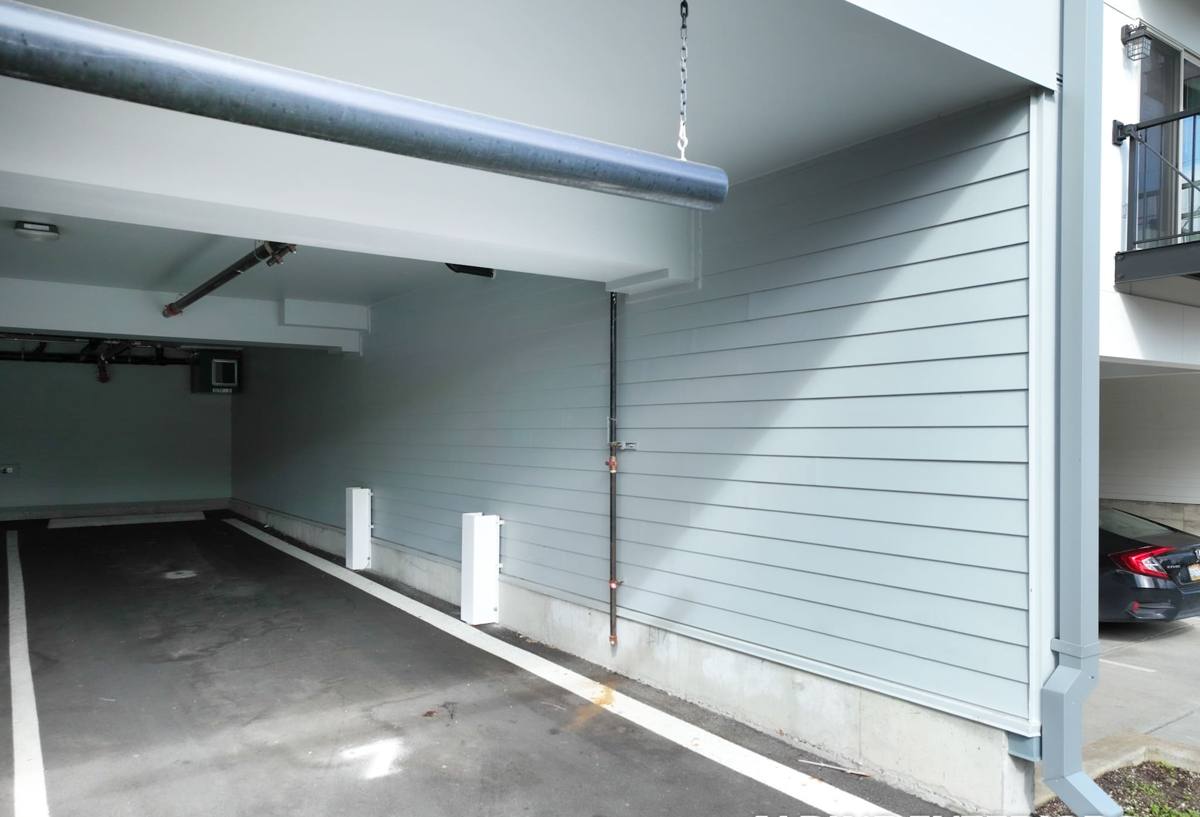
What Deming's Climate Demands From a Window Install
Whatcom County's weather pattern is defined by driving rain that comes in sideways during fall and winter storms, a moss season that can stretch for months on shaded, tree-covered lots, and humidity that lingers in low-lying river valley areas long after the rain stops. Deming sits in exactly that kind of setting — more tree canopy, more shade, and less direct sun and wind to dry surfaces out between storms.
That combination means a new-construction window has to handle three things well:
- Wind-driven water intrusion — rain that hits the wall at an angle and tests every seam in the flashing and sealant, not just the window unit itself
- Sustained moisture exposure — long wet stretches where a poorly sealed opening never gets a chance to dry before the next storm arrives
- Organic growth on shaded elevations — moss and mildew that thrive on north-facing and heavily shaded walls common on wooded Deming lots, which can hold moisture against trim and sills if the drainage path isn't built correctly
None of these problems come from the window unit failing on its own. Almost every water intrusion issue we find in this area traces back to how the opening was flashed, not a defect in the glass or frame.
New-Construction Windows vs. Replacement Windows — Why the Distinction Matters
New-construction windows have a nailing fin around the perimeter of the frame that gets fastened directly to the wall sheathing before the weather-resistive barrier and siding go on. That's different from a replacement or "pocket" window, which is designed to slide into an existing frame with no nailing fin, relying on the old frame and trim for weatherproofing.
On a new build, using the correct window type matters because the entire drainage plane — the weather-resistive barrier, the flashing tape, the sill pan, and the window's nailing fin — gets built as one integrated system. Get the sequencing wrong here, and there's no way to fix it later without pulling siding and trim back off.
Why This Matters More in Deming Specifically
Because Deming sees more sustained rain exposure than drier parts of the county, any shortcut in the flashing sequence shows up faster. A gap that might go unnoticed for a decade in a low-rainfall climate can start leaking within a season or two here, especially on walls that face prevailing wind and rain direction or sit in constant shade.
What a Correct New-Construction Window Install Actually Involves
A window install is really a sequence of layered steps, each one protecting the step below it. Skipping or reversing any of these is the single most common cause of framing rot and interior water damage we get called out to fix.
- Rough opening check — confirming the opening is square, level, and sized correctly before anything else happens
- Sill pan flashing — a sloped, waterproof pan at the bottom of the opening that directs any water that gets past the window back outside, rather than into the wall cavity
- Weather-resistive barrier integration — housewrap or building paper lapped correctly so water sheds down and over each layer, never up and under it
- Jamb and head flashing — flashing tape or flashing membrane at the sides and top of the opening, installed in the correct shingle-lap order
- Window installation — the unit set into the opening, shimmed level and plumb, and fastened through the nailing fin per the manufacturer's instructions
- Head flashing cap — a final flashing piece over the top of the window that sheds water out and away before it ever reaches the seam
- Sealant at the right joints only — sealing where it belongs, and leaving drainage paths open where the system is designed to let incidental water escape
That last point trips up a lot of crews who aren't doing this daily. The instinct is to caulk everything, but a fully sealed window with no path for water to escape can trap moisture inside the wall assembly — which is worse than a small amount of managed water intrusion the drainage plane was designed to handle.
Choosing the Right Window for a Deming Build
Frame material and glass package both affect how a window performs against sustained rain, humidity, and shaded exposure. There's no single "best" choice for every home — it depends on budget, the home's design, and how much of the building is shaded or wind-exposed.
| Frame Material | Moisture Performance | Maintenance | Typical Fit |
|---|---|---|---|
| Vinyl | Good — won't rot, resists moss and mildew staining | Low — occasional cleaning | Most new-construction budgets |
| Fiberglass | Very good — dimensionally stable in wet/dry cycling | Low | Higher-end builds, larger openings |
| Wood-clad | Good on exterior face, but interior wood needs protection from any hidden leaks | Moderate — depends on interior finish and cladding integrity | Traditional or high-end aesthetics |
| Aluminum | Prone to condensation and cold transfer in this climate without a thermal break | Low, but performance-limited | Rarely our recommendation for full Whatcom County exposure |
On glass, we generally steer new-construction clients toward a dual-pane, low-E package as the baseline, with argon fill and a warm-edge spacer standard on most builds. For rooms with heavy shade or north-facing exposure — common on wooded Deming lots — a slightly lower U-factor glass package helps reduce interior condensation during the coldest, dampest stretches of winter.
Our Process, From Rough Opening to Final Seal
We coordinate directly with the general contractor or builder's framing schedule so windows go in at the right point in the build sequence, not rushed in ahead of the weather-resistive barrier or delayed past the point where the framing has already been exposed to rain.
- Verify rough openings against window schedule and manufacturer specs before delivery
- Install sill pan flashing and confirm proper slope away from the interior
- Integrate housewrap and flashing tape in correct shingle-lap sequence
- Set and shim each window level, plumb, and square — checked, not assumed
- Fasten per manufacturer requirements to preserve warranty coverage
- Install head flashing and confirm drainage paths remain open
- Walk every opening before siding crews close it up, since this is the last point anything can be corrected without demolition
That final walk-through matters more on a Deming build than it might elsewhere in the county, simply because the consequences of a missed flashing lap don't show up right away — they show up after the first real wet season, once the wall is already closed in.
Common Mistakes We See in New Construction
Most of the water damage repairs we get called for on newer homes trace back to a small handful of repeat mistakes:
- Housewrap taped over the nailing fin instead of under it at the top, reversing the intended drainage path
- No sill pan, or a sill pan that isn't sloped, leaving water sitting against the bottom of the frame
- Over-sealing the exterior with caulk in a way that traps moisture instead of letting it drain
- Fastening through the frame instead of the nailing fin, which can void manufacturer warranties
- Installing windows before the weather-resistive barrier is fully in place, leaving a gap in coverage that's invisible once siding goes on
Every one of these is avoidable with a correct install sequence — none of them are things a homeowner can catch by looking at the finished wall.
Why Hire a Crew That Already Works in Deming
New-construction window flashing isn't unique to any one town, but the margin for error shrinks in a climate that gives a wall less time to dry between storms. A crew that regularly works Whatcom County builds already accounts for driving rain direction, the humidity that settles into shaded, tree-lined lots, and the long moss season that signals which walls stay wet longest. That's the difference between a crew following a generic checklist and one that's seen how these specific conditions actually play out over a full year on homes like yours.
We'd rather get called in during the framing stage — before siding closes anything up — than get called back in five years to find out what went wrong behind the wall.
Ready to Talk Through Your Deming Build?
If you're framing a new home in Deming or planning one soon, we're happy to walk your window schedule with you, talk through frame and glass options for your specific lot and exposure, and coordinate directly with your builder's timeline. Reach out for a free, no-pressure estimate using the form below — there's no cost and no obligation to get our take on your project.