 Lynden Siding
 Ferndale's Climate Is Harder on Siding Than It Looks
Ferndale sits close enough to Bellingham Bay and the Strait of Georgia that salt-laden air is a real factor in how exterior materials age here, not just a coastal-town cliché. Add Whatcom County's long, wet fall-through-spring stretch of driving rain off the water, plus a shaded, humid moss season that can run eight months or more in places, and you have a climate that quietly stress-tests every seam, fastener, and coat of paint on a house. Siding that looks fine from the curb can be failing behind the surface for years before anyone notices.
None of this means Ferndale is an unusually brutal place to build. It means the margin for error in siding material and installation is smaller than it is in a drier inland climate. A product or install method that would coast along fine in eastern Washington can start showing problems in Ferndale within a few winters if it wasn't built or installed for this environment.
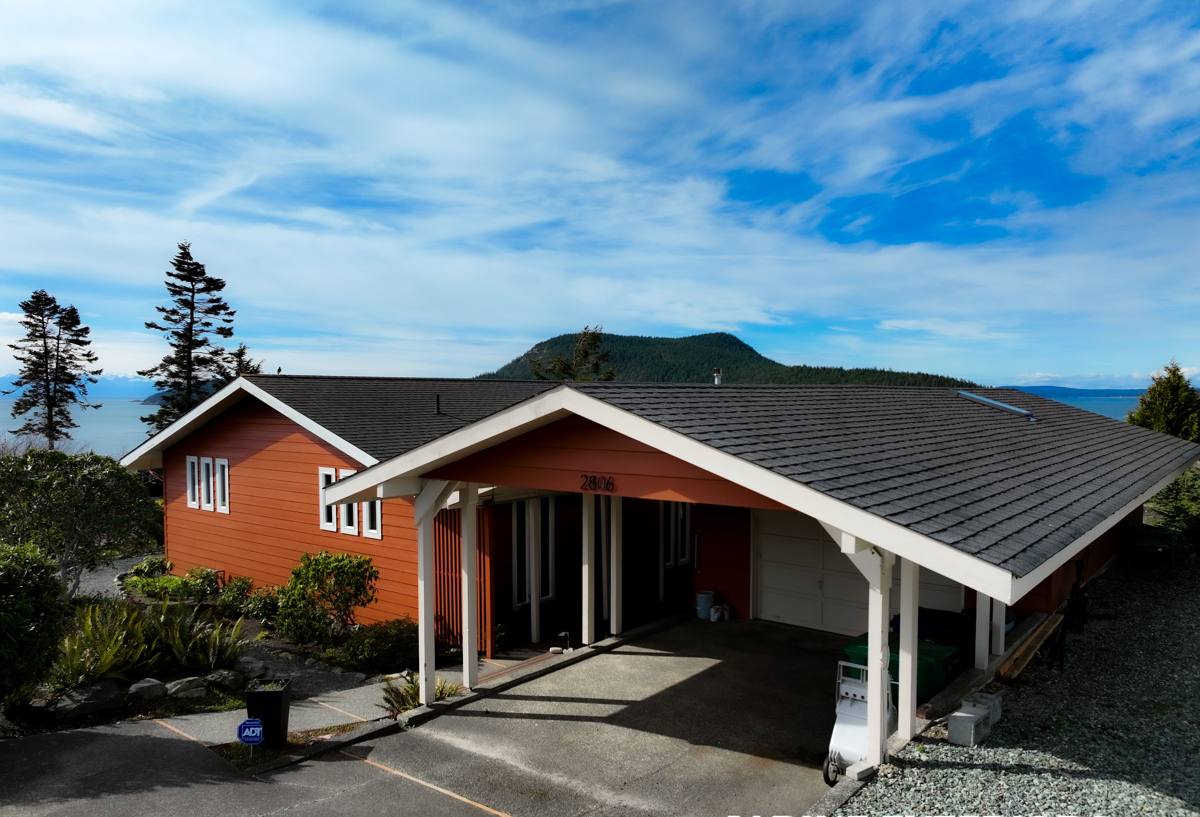
What Ferndale Siding Actually Has to Withstand
Salt Air and Metal Fasteners
Airborne salt accelerates corrosion on unprotected or poorly coated fasteners, trim flashings, and hardware. Over years, corroding fasteners can loosen siding, stain the face of the material, and create small gaps where water gets a foothold. This is a bigger deal the closer a home sits to open water, but it's a factor across the whole Ferndale area.
Driving, Wind-Driven Rain
Rain that falls straight down is easy to shed. Rain pushed sideways by wind off the water finds every horizontal lap, unsealed joint, and undersized overhang. Siding systems here need real water management behind the cladding, not just a good-looking face.
Moss, Algae, and Prolonged Dampness
North-facing walls, shaded elevations under mature trees, and anywhere airflow is restricted stay damp for extended stretches during Ferndale's wet season. That moisture supports moss and algae growth on the siding surface and, more importantly, keeps the material itself wet longer than it should be. Wood-based products are especially vulnerable to swelling, softening, and rot under these conditions.
Why We Install Only James Hardie Fiber Cement
Lynden Siding Company installs James Hardie fiber cement exclusively. We don't install vinyl, LP SmartSide, Cemplank, Allura, primed spruce, or cedar, and that's a deliberate standard, not a lack of options. Fiber cement is non-combustible and dimensionally stable, meaning it doesn't expand, contract, warp, or absorb moisture the way wood-based and some engineered products can. Hardie's ColorPlus factory-applied finish is baked on under controlled conditions rather than field-painted, which matters in a climate where a lot of exterior painting time gets rained out or rushed. For homes closer to the water, Hardie also offers HZ5 climate-engineered formulations specifically built for wetter, higher-moisture regions like ours.
We're not going to tell you every other product on the market is junk — plenty of them perform fine when installed correctly in the right climate. Our position is narrower: for Ferndale's combination of salt exposure, driving rain, and extended damp seasons, fiber cement is the material we're willing to put our name behind and back with a real installation.
What a Correct Siding Installation Involves Here
The siding itself is only part of the system. In Ferndale's climate, what's happening behind the siding matters as much as what you see from the street.
- A continuous, correctly lapped weather-resistive barrier installed before any siding goes up
- Proper flashing at every window, door, deck ledger, and roof-to-wall transition — the places water actually gets in
- A drainage gap or rainscreen approach that lets any moisture that does get behind the siding drain and dry out instead of sitting against the wall sheathing
- Correct fastener spacing, type, and penetration depth per the manufacturer's installation guide, not a generalized rule of thumb
- Proper clearance between the bottom of the siding and grade, decks, patios, and roof lines to keep splash-back and standing water off the material
- Factory-mitered or properly caulked and painted field cuts, especially around trim and corners
Skipping or rushing any one of these steps is how a house ends up with hidden rot or moisture damage under siding that still looks new on the outside. This is the part of the job that's invisible once it's done, which is exactly why it has to be done right the first time.
Our Installation Process
1. On-Site Assessment
We look at your home's specific exposure — how close you are to open water, which elevations get shaded and stay damp, existing moss or algae patterns, and the condition of the sheathing and trim under the current siding where accessible.
2. Removal and Substrate Check
Old siding comes off and we inspect the sheathing underneath for soft spots, rot, or prior water damage before anything new goes up. Problems found here get addressed, not covered over.
3. Weather Barrier and Flashing
A new weather-resistive barrier goes on correctly lapped, with flashing detailed around every penetration and transition point. This step is what actually keeps Ferndale's driving rain out of your walls.
4. James Hardie Installation
Panels or lap siding go up per Hardie's fastening and clearance specifications, with attention to corners, trim, and any custom cuts around windows and architectural details.
5. Caulking, Touch-Up, and Cleanup
Field cuts get properly sealed and touched up to match the ColorPlus finish, and the job site is cleaned of debris and old material before we call it done.
Problems We Commonly Find on Older Ferndale Homes
When we tear off older siding in this area, a few issues show up often enough to be worth mentioning:
- Trapped moisture behind vinyl or engineered wood siding that had no functional drainage path
- Fastener corrosion and staining on homes with more direct exposure to salt air
- Caulk-dependent seams that failed years ago and let water track behind the cladding unnoticed
- Persistent moss and algae staining on north- and west-facing walls that were never fully drying between rain events
- Soft or delaminated sheathing discovered only after the old siding comes off
None of these are unusual or a sign of a badly built house — they're the predictable result of this climate working on a wall system over ten, twenty, or thirty years. The point of a proper reinstall is to fix the underlying water management, not just put new material over the same weak points.
What Drives the Cost of a Ferndale Siding Job
| Factor | Why It Matters |
|---|---|
| Home size and number of stories | More surface area and higher elevations mean more material, labor, and equipment |
| Existing siding removal | Tear-off of multiple layers or asbestos-era materials adds time and disposal cost |
| Sheathing or framing repair | Rot or water damage found during tear-off has to be repaired before new siding goes on |
| Trim, color, and detail complexity | Custom trim work, multiple colors, and architectural detailing take more labor than a straightforward lap job |
| HZ5 vs. standard Hardie formulation | Homes with heavier moisture or salt exposure may call for climate-engineered product lines |
| Site access | Tight lots, second-story work, and limited staging space affect labor time |
We walk every one of these factors with you before providing a number, so there are no surprises once the job is underway.
Why Hiring a Crew That Already Works Ferndale Matters
A contractor who works this specific area regularly already knows which elevations tend to hold moisture, how close a given neighborhood is to salt exposure, and what tends to fail first on older homes here. That's not something you get from a general siding crew that mostly works inland or handles one job here a year. It shows up in small decisions — where extra flashing attention goes, how much drainage gap to build in, which corners of the house get the most scrutiny during tear-off — that add up to a siding system that actually holds up through Whatcom County winters.
It also matters for accountability. A crew based in the area, working under a warranty they stand behind locally, has a real incentive to get the water management right the first time rather than move on to the next town.
Signs It's Time to Talk About Replacement
- Persistent moss or algae staining that returns shortly after cleaning
- Soft spots, bubbling, or visible warping in the siding material
- Caulk lines that are cracked, shrinking, or pulling away from trim
- Paint that's peeling or failing faster than a normal repaint cycle would suggest
- Visible fastener staining or corrosion on the siding face
- Any musty smell or soft drywall on interior walls near exterior siding
Any one of these on its own isn't necessarily an emergency, but a couple together are worth having looked at before they turn into a sheathing or framing repair.
Get a Straight Answer for Your Ferndale Home
If you're weighing a siding replacement in Ferndale, we're happy to take a look, tell you honestly what we see, and walk you through what a correct James Hardie installation would involve for your specific home and exposure. Use the form below to request a free, no-pressure estimate.