 Lynden Siding
 Why Laurel Homes Need More Than a "Nice New Window"
Laurel sits in the part of Whatcom County that gets the full weather cycle — long stretches of driving rain off the water, humid air that never fully dries out between storms, and enough shade and moisture in the cooler months to grow moss on anything that holds still long enough. Windows in this kind of climate aren't just letting cold air in when they fail. They're taking on water at the frame, holding moisture against the wood or trim around them, and losing whatever seal they had years before the glass itself looks bad.
That's the part a lot of homeowners don't realize until we're standing at the window with them. The glass can look fine. The frame underneath it can already be compromised. An energy-efficient window job in Laurel has to solve for both the heat loss and the water intrusion, because around here those two problems are almost always connected.
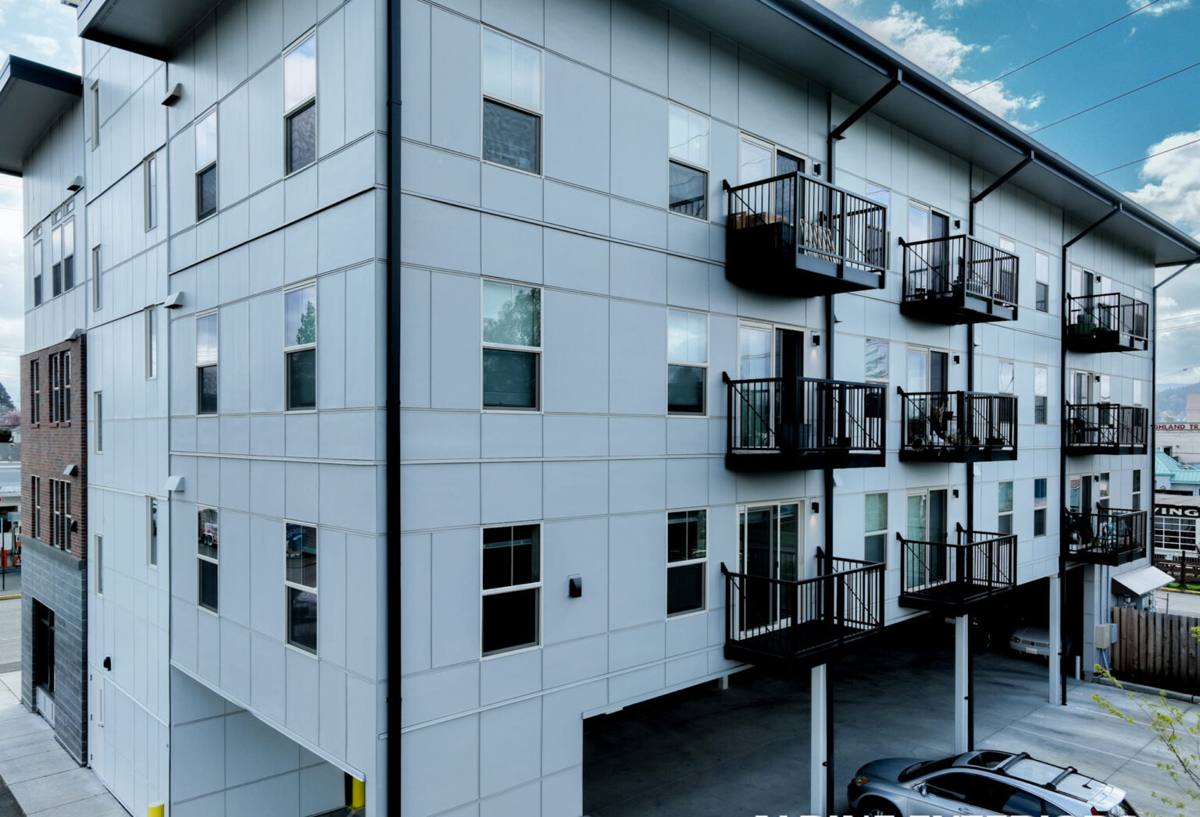
What Salt Air, Rain, and Moss Actually Do to a Window Over Time
Salt-Influenced Air
Whatcom County's proximity to Puget Sound means homes here deal with air that carries more salt and moisture than you'd get further inland. Over years, that air accelerates corrosion on window hardware — hinges, locks, balance mechanisms — and can degrade lower-grade seals and finishes faster than the manufacturer's warranty assumes. It's a slow process, which is exactly why it sneaks up on people.
Driving Rain
Rain that comes in sideways, not straight down, tests a window installation differently than a dry-climate install. Flashing details, sill pans, and the way water is directed away from the wall assembly matter more here than the window unit itself. A window that's perfectly good on paper can still leak if it wasn't installed with wind-driven rain in mind.
Moss and Sustained Moisture
Long moss season means long stretches where wood trim, sills, and anything with a horizontal surface stays damp. Moss and algae hold moisture against the surface they're growing on, which is hard on wood trim and can find its way into small gaps around an aging window frame that would never be a problem in a drier region.
Signs Your Windows Are Costing You Money
Most homeowners in Laurel don't call us because they woke up and decided to remodel. They call because something tipped them off. The usual signs:
- Condensation building up between the panes (a sign the seal has failed on a double-pane unit)
- Cold drafts you can feel standing near the window on a windy day
- Soft or discolored wood trim around the frame, especially on the sill
- Windows that are hard to open, close, or lock — a sign the frame has shifted or swollen
- Visible fogging, warping, or peeling paint on the interior trim
- A noticeable jump in heating costs without any other explanation
Any one of these on its own might not mean much. A few of them together, especially on the side of the house that takes the worst weather, usually means the windows are past the point where a repair makes sense.
What "Energy-Efficient" Means for This Climate
Energy-efficient windows get marketed with a lot of numbers — U-factor, SHGC, ENERGY STAR ratings — and most of that is genuinely useful information, but it's only half the picture in a place like Laurel. The other half is how well the window resists water intrusion and how well it's installed. A high-performance window installed with a poor seal or bad flashing will underperform a mid-grade window installed correctly, especially over a Whatcom County winter.
For this region, we generally look at:
- U-factor — how well the window resists heat transfer; lower is better for our cooler months
- Solar Heat Gain Coefficient (SHGC) — how much solar heat comes through; matters less here than in sunnier climates, but still worth getting right for the exposure of each wall
- Air leakage rating — how tight the window is when closed and locked
- Frame material and finish — how it holds up against sustained moisture and salt-influenced air over decades, not just years
Frame Material Comparison for Laurel's Climate
| Frame Material | Moisture Performance | Maintenance | Typical Lifespan Here |
|---|---|---|---|
| Vinyl | Good — won't rot, resists corrosion well | Low — occasional cleaning | Long, with quality varying by manufacturer |
| Fiberglass | Very good — dimensionally stable in wet/dry cycles | Low | Long, generally holds up well to our weather swings |
| Wood (clad exterior) | Depends heavily on cladding quality and installation | Higher — exposed wood needs upkeep | Can be long-lived if maintained, more exposure if not |
| Aluminum | Prone to condensation without thermal breaks | Low | Durable frame, but energy performance suffers in our climate without upgrades |
We don't push one material on every job. The right call depends on the wall's exposure, the home's existing trim and siding, and what the homeowner wants to maintain over time. What we won't do is recommend a frame material that we know struggles with sustained moisture just because it's cheaper up front — that trade-off tends to show up as a callback a few years later, and we'd rather have that conversation honestly before the install than after.
Our Installation Process
1. On-Site Assessment
We look at each window individually — not just the glass, but the sill, the flashing, and the condition of the framing underneath. On a house in Laurel, that framing inspection matters as much as picking the window itself.
2. Removal and Inspection Behind the Old Unit
Once the old window is out, we can see what's actually been happening behind it. Sometimes it's clean. Sometimes there's moisture damage that needs to be addressed before a new window goes in — putting a new window into a compromised opening just repeats the problem in a few years.
3. Proper Flashing and Sill Pan Installation
This is the step that determines whether a window stays dry through a Whatcom County winter. Correct flashing sequencing — so water sheds outward and down, never back into the wall — matters more here than almost anywhere else in the state.
4. Setting, Sealing, and Insulating
The window is set level and plumb, sealed with the right materials for the substrate, and insulated around the frame without over-packing, which can bow the frame and affect operation.
5. Final Check and Cleanup
We test operation, locks, and weep holes before we consider the job done, and we clean up the site so it doesn't look like a construction zone was ever there.
Choosing the Right Windows for Your Home in Laurel
A few practical things worth thinking through before you replace windows here:
- Which walls of the house take the worst wind-driven rain — those openings deserve extra attention on flashing detail
- Whether existing trim or siding around the windows shows signs of past moisture problems
- Whether you want low-maintenance frames (vinyl or fiberglass) versus a wood-look exterior that needs more upkeep
- How the new windows will match your home's existing exterior lines and trim profile
- Whether any openings are being resized, which changes the scope of the job
What to Expect for Cost and Timeline
Pricing for window replacement varies by window count, frame material, size, and how much flashing or framing repair is needed once the old units come out. Straightforward replacements in an existing opening are generally more affordable than jobs that involve resizing or repairing damaged framing. We give honest, itemized estimates on-site rather than a flat number over the phone, because the condition behind the old window genuinely changes the scope.
Most residential window replacement jobs in the Lynden area run from a single day for a handful of windows to a few days for a whole-house replacement, weather permitting.
Why a Crew That Already Works Laurel Matters
There's a real difference between a crew that installs windows everywhere and a crew that's used to the specific way Laurel's weather tests an installation. We already know which details matter most on this side of the county — the flashing sequencing for driving rain, the frame choices that hold up to salt-influenced air, the exposures where moss and moisture linger longest. That's not something you can shortcut with a generic install approach, and it's the difference between a window job that looks good on installation day and one that still performs correctly ten winters from now.
If your windows are drafty, fogging, hard to operate, or just old enough that you're wondering, we're happy to take a look. We'll give you a straight answer about what's actually going on and a free, no-pressure estimate for fixing it — no obligation either way. The form below is the easiest way to get started.