 Lynden Siding
 Windows Built for Aldergrove's Wet, Mossy, Salt-Tinged Climate
Aldergrove sits in the same marine weather system that shapes Whatcom County just across the border — long stretches of driving rain, humid air off the nearby coastal waters, and a moss season that can run from fall through spring. Windows here don't fail because homeowners neglect them. They fail because they were never built or installed to handle constant moisture cycling: wet, damp, wet again, with only brief dry spells to let materials fully dry out.
Old aluminum-frame windows conduct cold straight through, wood frames absorb water at the joints and swell or rot, and failed seals let fog build up between panes. None of that is really about age alone — it's about what the climate does to a window year after year. An energy-efficient window for this area isn't just about a lower heating bill. It's about a frame and seal system that can shrug off constant rain, resist moss and algae staining, and keep performing after a decade of Pacific Northwest winters.
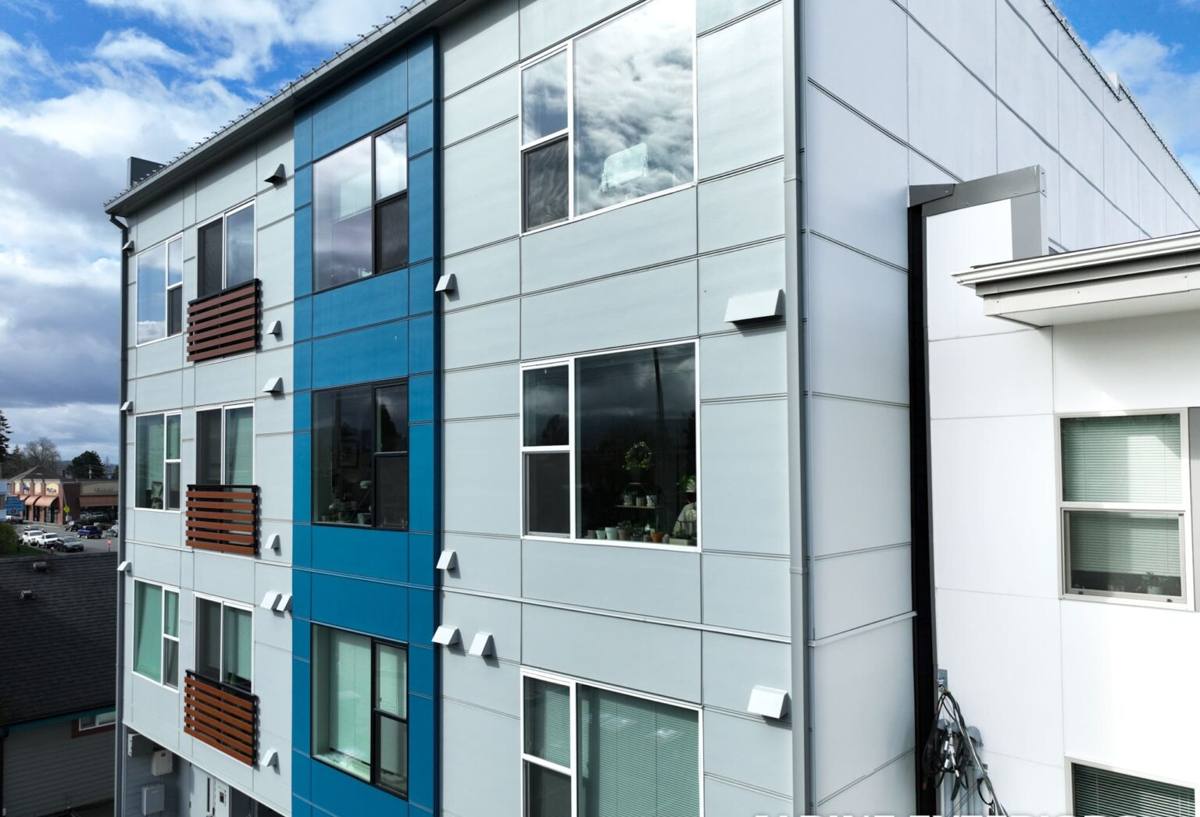
What "Energy-Efficient" Actually Means Here
Energy efficiency in a window comes down to a handful of measurable properties, and in a wet, mild climate like this one, some matter more than others.
U-Factor and Condensation Resistance
U-factor measures how much heat escapes through the window — lower is better. In this climate, condensation resistance deserves just as much attention. Humid air meeting a cold interior glass surface is what causes fogged-up windows and, over time, moisture damage to sills and surrounding trim. A window with a good U-factor but poor condensation resistance will still leave you wiping down glass every damp morning.
Low-E Coatings and Gas Fills
Low-emissivity (low-E) coatings reflect heat back into the home in winter and block excess solar heat in summer. Argon or krypton gas fill between panes slows heat transfer further. None of this is exotic technology anymore — it's standard on any quality replacement window — but the coating type and gas fill spec should match our climate, not a generic national average.
Air Infiltration
A window can have great glass and still leak air around a poorly sealed frame. In a region with frequent wind-driven rain, air leaks and water intrusion tend to go hand in hand — if air can get in around a frame, water usually finds the same path eventually.
Reading Window Ratings on Both Sides of the Border
Homeowners in Aldergrove sometimes get quotes referencing different rating systems than what's on the label of a window sold south of the line. U.S. windows are typically rated through NFRC (U-factor, solar heat gain coefficient, visible transmittance), while Canadian energy programs reference Energy Star Canada's climate zones, which weight cold-climate performance differently than U.S. ratings do. Neither system is wrong — they're just answering slightly different questions. Part of doing this job right in a border community is being able to translate between the two, so you understand what you're actually buying and how it performs for our specific weather, not just what a label says.
Common Problems We See in Older Homes in This Area
- Fogged or hazy glass — a broken seal has let moisture into the space between panes
- Soft or spongy wood at the sill or lower frame corners from years of driving rain
- Green or black staining on frames and tracks from moss and algae holding moisture against the surface
- Cold drafts near the frame edges even with the window fully latched
- Condensation pooling on the interior sill during cold, damp mornings
- Windows that are difficult to open or close due to swollen wood or warped vinyl
Any one of these is a sign the window's original moisture management has broken down. In this climate, that usually happens well before the glass itself gives out.
Frame Material Options and Trade-Offs
There's no single "best" frame material for every home — the right choice depends on your home's exposure, your maintenance appetite, and your budget. Here's how the common options stack up for a wet, mild climate like ours.
| Frame Material | Moisture Tolerance | Maintenance | Typical Trade-Off |
|---|---|---|---|
| Vinyl | Very good — won't rot, resists moisture well | Low — occasional cleaning | Fewer color/finish options than wood or fiberglass |
| Fiberglass | Excellent — dimensionally stable, doesn't swell | Low | Higher upfront cost than vinyl |
| Wood (unclad) | Poor to fair without diligent upkeep | High — repainting, sealing, sill checks | Classic look, but the highest ongoing maintenance burden in this climate |
| Wood-clad (wood interior, metal or vinyl exterior) | Good on the exposed side | Moderate | Interior wood still needs occasional attention |
| Aluminum | Fair — resists rot but conducts cold and can condense heavily | Low | Poor thermal performance unless thermally broken |
For most Aldergrove-area homes, vinyl or fiberglass frames offer the best combination of energy performance and low upkeep for what this climate throws at a window year-round. Wood-clad and unclad wood can still be the right call for a specific architectural look, as long as the homeowner understands the maintenance commitment going in.
Our Installation Process
A high-efficiency window performs only as well as its installation. We've seen quality windows fail early simply because the flashing and sealing details weren't right for a climate with this much sustained rain.
Assessment and Measurement
We start by looking at each opening individually — sun exposure, wind exposure, existing water damage, and how the current window was originally flashed. Measurements are taken for a precise fit rather than a generic size, since gaps are where both air and water get in.
Why Flashing and Sealing Matter More Here Than in Drier Climates
In a region with long, driving-rain seasons, the flashing pan under the window and the sealant detail around the frame do as much work as the glass itself. A sloped sill pan directs any water that does get past the exterior seal back outside instead of letting it sit against the framing. We treat this step as non-negotiable, not an upsell — it's the difference between a window that lasts and one that quietly rots the wall behind it.
Finishing and Cleanup
Once a window is set, shimmed level and plumb, and properly insulated around the frame, we seal both the exterior and interior sides correctly rather than relying on caulk alone to do all the work. Old windows and debris are hauled away as part of the job.
Cross-Border Considerations for Aldergrove Homeowners
Working in a border community brings a few practical questions that a purely local Canadian crew or a purely local U.S. crew might not deal with regularly. A crew that already services both Whatcom County and the Aldergrove side of the line is used to:
- Scheduling around border crossing times for crew and material deliveries
- Quoting and invoicing clearly in the currency you expect, and flagging if exchange rate matters to your budget
- Translating between U.S. (NFRC) and Canadian energy rating systems so you know what you're actually comparing
- Understanding that measurements, product specs, and some code references may show up in either metric or imperial units depending on the manufacturer
None of this is complicated once you've done it a few times — but it's the kind of friction that catches homeowners off guard when a contractor is only used to working on one side of the border.
What Affects the Cost
Every project is different, but the main cost drivers tend to be the same across most Aldergrove-area homes.
| Factor | Why It Affects Cost |
|---|---|
| Window size and number | Larger openings and whole-house projects use more material and labor |
| Frame material | Vinyl is typically the most budget-friendly; fiberglass and wood-clad cost more upfront |
| Glass package | Double-pane low-E is standard; triple-pane and specialty coatings add cost but improve performance |
| Access and height | Second-story or hard-to-reach windows take longer and may need extra equipment |
| Existing damage | Rot repair at the sill or framing adds time before a new window can even go in |
As a rough range, most single-window replacements with quality mid-range materials fall somewhere between $600 and $1,200 installed, with whole-house projects, larger openings, or premium glass packages running higher. We'll always walk you through where your specific project lands and why, before any work starts.
Protecting Your Investment After Installation
New windows still need a bit of upkeep in this climate to hit their full lifespan.
- Rinse frames and tracks periodically to clear moss spores and organic buildup before they take hold
- Keep gutters and downspouts clear so runoff isn't sheeting directly down over window openings
- Check exterior caulking once a year, especially after a hard winter, and touch up any cracking
- Wipe condensation off interior sills during cold snaps to prevent moisture sitting on wood trim
- Trim back vegetation that shades windows and keeps them from drying out between rain events
Why It Matters Who Installs Them
Energy-efficient windows are a long-term investment, and in a climate defined by driving rain, moss, and humid marine air, the installation details matter as much as the product label. A crew that already works this specific area — familiar with both Whatcom County and Aldergrove homes, and comfortable with the practical realities of a border community — is going to catch the moisture-management details that a one-size-fits-all national installer might treat as optional.
If you're weighing whether your current windows need repair, replacement, or just better maintenance, we're happy to take a look and give you a straight answer. Reach out for a free, no-pressure estimate using the form below.