 Lynden Siding
 Windows Built for Abbotsford's Wet, Mossy Climate
Abbotsford sits in the Fraser Valley, close enough to the coast that homes here deal with a steady diet of driving rain, damp marine air, and long stretches of low sun that never quite dry things out. That combination is hard on windows. Seals fail early, wood frames absorb moisture they can't shed, and north-facing walls grow moss and algae that trap water against the building instead of letting it run off. A window that was installed correctly ten or fifteen years ago in a drier climate might be failing here already — not because the product was bad, but because the install or the product choice wasn't matched to what this region actually throws at a house.
Lynden Siding Company works the Whatcom County and Fraser Valley corridor as one service area, not two separate markets we occasionally cross into. That matters for window replacement specifically, because the right product, the right flashing detail, and the right sequencing with siding and trim are all climate decisions, not just aesthetic ones. This page covers what Abbotsford homeowners should know before replacing windows, and what we actually do differently because of where you live.
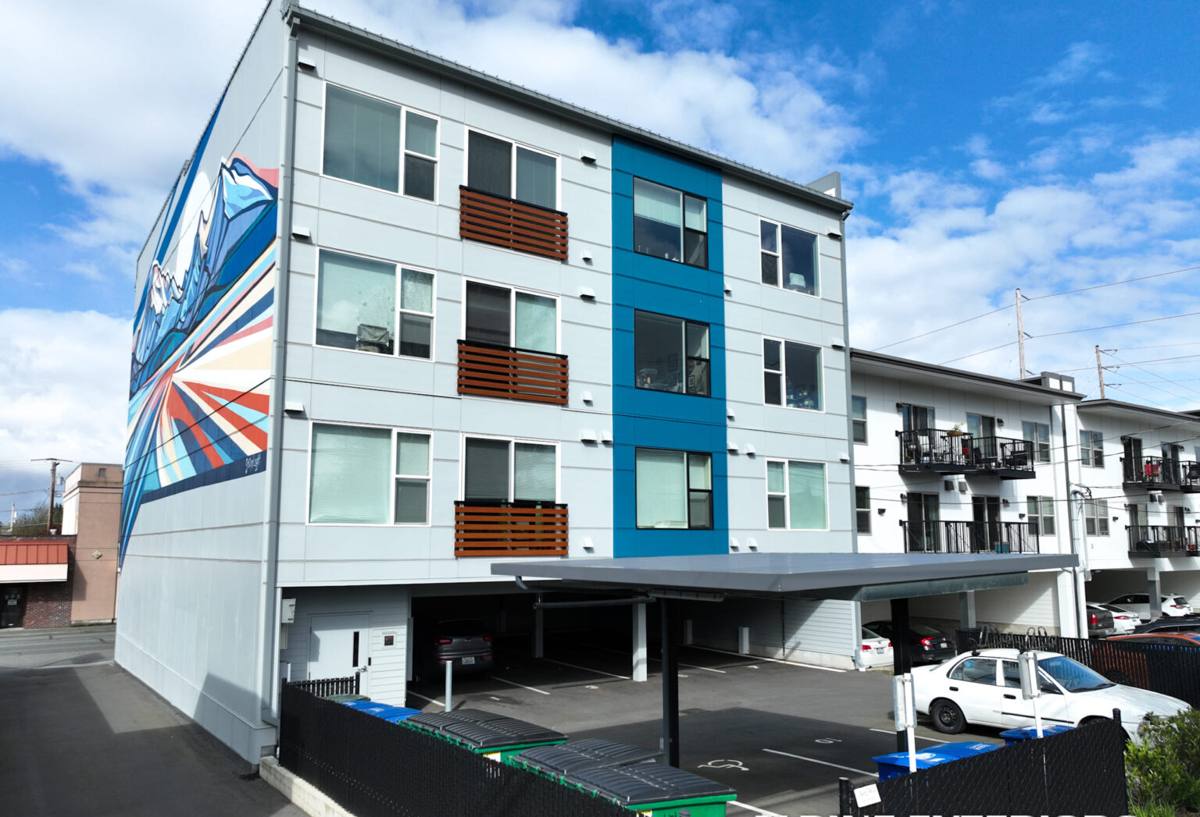
Signs Your Abbotsford Home Needs New Windows
Windows fail gradually, and most homeowners live with small problems for years before deciding to act. In this climate, waiting usually means water is getting somewhere it shouldn't. Before you call anyone, walk your home's exterior and interior and look for these signs:
- Fogging or a cloudy haze between panes of double- or triple-glazed glass — the seal has failed and the insulating gas is gone
- Visible condensation on the inside of the glass during cool, damp weeks, even with heat running
- Soft, discolored, or crumbling wood at the sill, jamb, or exterior trim
- Drafts you can feel by hand near the frame on a windy, rainy day
- Windows that stick, won't latch fully, or have dropped out of square
- Paint that keeps bubbling or peeling at the same window year after year
- A noticeable jump in heating costs with no other explanation
- Moss, black streaking, or algae building up on the sill or the wall just below the window
Any one of these on its own might just need a repair. Several of them together, especially combined with soft wood, usually means the window and the wall assembly around it are both due for attention.
What a Correct Window Replacement Job Actually Involves
Window replacement has a reputation as an easy weekend job, and that reputation causes a lot of the moisture problems we get called out to fix. The window unit itself is only part of the system. The flashing, the water-resistive barrier behind the siding, the sill pan, and the sealant details all have to work together to move water back out of the wall instead of trapping it inside the framing. In a climate that gets as much driving rain as this one, getting those details wrong is what turns a window replacement into a rot problem two or three years later.
Retrofit vs. Full-Frame Replacement
There are two basic approaches, and the right one depends on the condition of your existing frame and the wall around it, not just budget.
| Approach | Best For | Trade-offs |
|---|---|---|
| Retrofit (insert) replacement | Sound existing frame, no rot, minor efficiency upgrade | Faster and less invasive, but any hidden rot or bad flashing stays hidden behind the new unit |
| Full-frame replacement | Rot, water staining, failed flashing, or a full siding project happening at the same time | More labor and cost, but lets us inspect and rebuild the flashing and sill pan correctly — the only real fix once water has gotten in |
We'll tell you honestly which one your home needs after we open things up, not before. If a retrofit is genuinely appropriate, we won't upsell you into a full-frame job.
Choosing the Right Window for Driving Rain and Coastal-Influenced Air
Material and glass choice both affect how a window holds up to the marine-influenced air that moves through the Fraser Valley off the coast. That air carries more salt and moisture than a truly inland climate, and it means finishes, hardware, and seals all work a little harder here.
| Frame Material | Moisture Behavior | Maintenance |
|---|---|---|
| Vinyl | Won't rot or corrode; performs well in wet climates when installed with proper drainage | Low — occasional cleaning, no painting |
| Fiberglass | Very stable dimensionally, resists swelling and doesn't absorb moisture | Low — durable finish, minimal upkeep |
| Wood or wood-clad | Best appearance for some homes, but the exposed wood elements need real diligence in this rainfall pattern | Higher — regular inspection and refinishing of exposed wood surfaces |
| Aluminum | Durable but conducts cold and can condense heavily without a thermal break | Low, but condensation issues are common in this climate without upgraded hardware |
On glass, double-pane with a low-E coating and argon fill is the practical baseline for this region and handles most homes well. Triple-pane adds real value on north- and west-facing walls that take the brunt of wind-driven rain and cold snaps, and on homes near busier roads where the extra pane also cuts noise. We'll walk you through which walls of your home actually benefit from the upgrade rather than selling it across the board.
Our Window Replacement Process
- On-site assessment — we check every window you're concerned about, plus the wall assembly around it, not just the glass
- Honest scope and quote — retrofit vs. full-frame, material and glass options, and a clear written price before any work starts
- Product selection — sized and specified to your openings, with material and glass package matched to sun exposure and rain exposure on each wall
- Permit coordination — where a permit applies, we handle the paperwork so you don't have to chase it down
- Careful removal — old units come out without unnecessary damage to surrounding siding or trim
- Inspection of the opening — any rot, soft framing, or failed flashing is flagged and repaired before the new window goes in, not covered up
- Correct installation — sill pan, flashing, and air-sealing done in the right order so water sheds outward, not into the wall
- Finish and cleanup — trim, caulking, and interior finish work completed and the site left clean
- Walkthrough — we go over operation, care, and warranty coverage with you before we consider the job done
Why Hire a Crew That Already Works Abbotsford, BC
A lot of contractors treat a cross-border job as a special trip — a premium rate, a schedule that only works around their local jobs, and a crew that's unfamiliar with anything specific to your municipality. We don't treat Abbotsford as an add-on market. Working both sides of the Whatcom County–Fraser Valley border regularly means:
- We already know the general permit and inspection expectations in the area and don't have to learn them on your job
- Scheduling around border crossing times is routine for us, not a source of delay or excuse
- We've seen how the local rain pattern, moss growth, and wall assemblies common in this area actually behave over time, not just in theory
- You're not paying a premium for the privilege of being a "special trip" client
That familiarity shows up in small decisions — which wall gets the upgraded glass package, how aggressively to flash a particular sill detail, when a retrofit is genuinely fine versus when it's cutting a corner. Those are judgment calls that come from doing this work in this specific climate repeatedly, not from a general contractor's playbook.
Cost Factors for Abbotsford Window Replacement
Every home is different, so we won't quote a number without seeing your windows, but these are the variables that actually move the price:
| Factor | Why It Matters |
|---|---|
| Number and size of windows | Larger openings and full-home projects have better per-unit pricing than one-off replacements |
| Retrofit vs. full-frame | Full-frame involves more labor, additional trim and flashing materials, and any rot repair |
| Frame material | Vinyl is typically the most budget-friendly; fiberglass and wood-clad cost more upfront |
| Glass package | Triple-pane and specialty coatings add cost but pay back in comfort on exposed walls |
| Access and height | Second-story or hard-to-reach windows take more time and equipment |
| Hidden damage | Rot or failed flashing found once we open the wall adds scope — we always confirm with you before proceeding |
Keeping New Windows Performing in This Climate
A correctly installed window in this region can go decades without issue, but a little seasonal attention extends that life further. Clear debris from weep holes at the bottom of the frame so water can drain out instead of pooling. Check exterior caulking once a year, particularly after a hard winter, since it's the first line of defense against driving rain. Keep gutters clean and functioning so water isn't splashing back onto window sills from an overflowing gutter above. And where moss or algae builds up on nearby siding or trim, address it early — left alone, it holds moisture against the wall right next to your window openings, which is exactly the kind of slow damage that's hardest to notice until it's expensive.
If you're seeing drafts, fogged glass, soft wood, or just windows that feel like they're working against you every winter, we're glad to take a look. We'll give you a straightforward, no-pressure estimate on what your home actually needs — use the form below to get started.