 Lynden Siding
 Windows Built for Maple Falls' Wet, Wooded Climate
Maple Falls sits back from the coast, but the same marine weather pattern that soaks Whatcom County reaches into the foothills too. Driving rain rides in on wind, tree cover keeps yards and siding shaded for long stretches of the day, and moss season runs longer here than it does in drier parts of the state. Windows take the brunt of all three. A frame or sill that can't shed water fast, or that traps humidity against the wood underneath, starts failing quietly — long before a homeowner notices a draft or a fogged pane.
Energy-efficient windows are usually sold on the utility bill savings, and that part is real. But in Maple Falls, the bigger question is often whether the window and its installation can handle the moisture load without rotting the framing around it. A window that's efficient on paper but poorly flashed will cost more in repairs than it ever saves in energy.
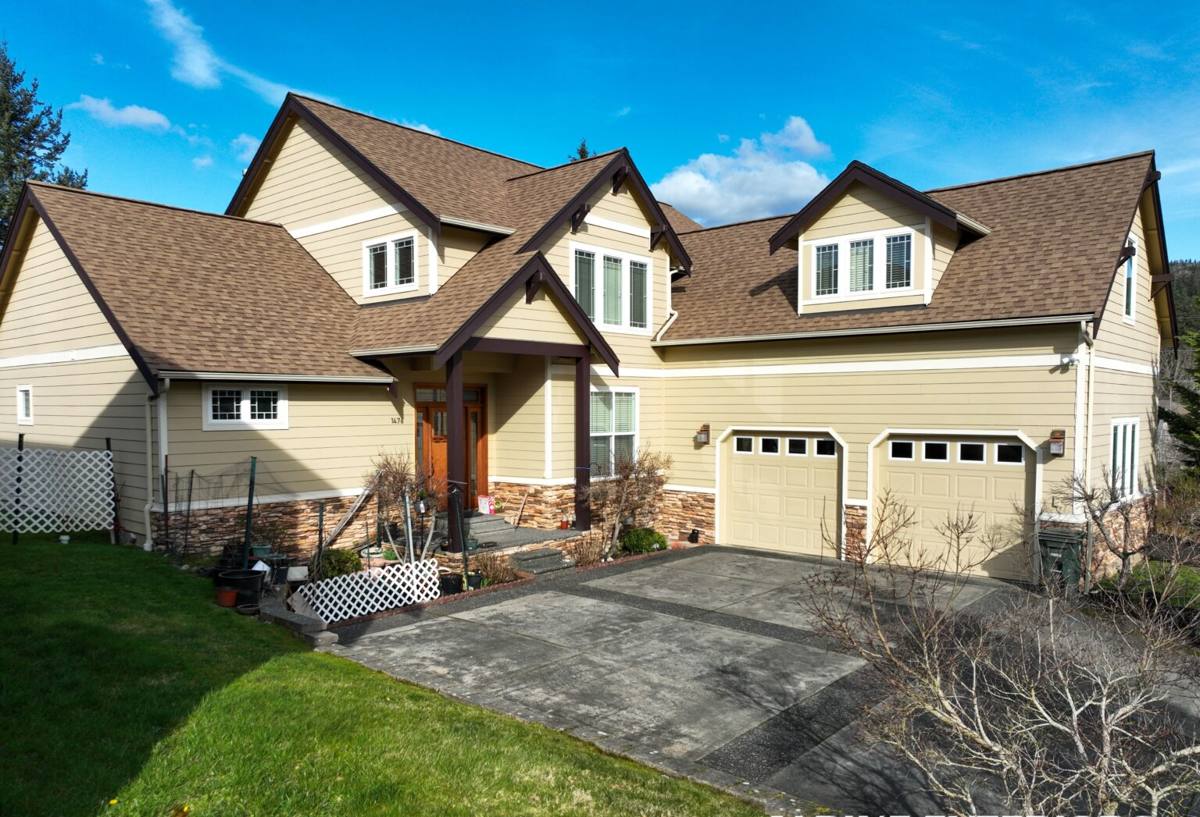
What "Energy-Efficient" Actually Means
The term gets used loosely, so it's worth being specific about what actually separates an efficient window from a standard one:
- U-factor — how well the window resists heat transfer. Lower is better, and Washington's energy code sets a minimum standard for our marine climate zone.
- SHGC (Solar Heat Gain Coefficient) — how much solar heat passes through the glass. Less critical here than in sunnier climates, but still affects comfort on the few bright days we get.
- Low-E coatings — a microscopically thin metallic layer that reflects heat back into the room in winter and blocks it in summer, without noticeably changing how much light comes through.
- Gas fill — argon or krypton between panes, which insulates better than plain air and is standard on most double- and triple-pane units today.
- Spacer system — the material separating the panes at the edge of the glass. Warm-edge spacers reduce condensation risk at the perimeter, which matters more in a shaded, humid setting like Maple Falls than in a dry one.
Look for the NFRC label on any window you're quoted — it lists U-factor and SHGC in plain numbers so you can compare products honestly instead of relying on marketing language like "energy star rated" without context.
Double-Pane vs. Triple-Pane
Most Maple Falls homes are well served by a good double-pane window with low-E glass and argon fill. Triple-pane adds real insulation value and a bit more sound dampening, which can be worth it on a north-facing wall that never gets sun, or a home close to Mount Baker Highway where road noise carries. It also adds weight and cost, and on an older home the added weight sometimes means reinforcing the opening. We'll tell you honestly when triple-pane is worth the upgrade and when it isn't for your specific walls.
Frame Material Comparison
Frame material matters as much as the glass package, especially in a climate that keeps things damp for days at a time. Here's how the common options compare for a home in this area:
| Material | Energy Performance | Moisture Behavior | Maintenance | Typical Cost |
|---|---|---|---|---|
| Vinyl | Good, especially multi-chambered frames | Doesn't rot or absorb water; welded corners resist leaks if installed correctly | Low — no painting or sealing | Lowest of the durable options |
| Fiberglass | Very good; frame expands/contracts closer to the glass rate, keeping seals tighter | Excellent — dimensionally stable in wet-dry cycles | Low | Mid to upper-mid range |
| Wood / Wood-Clad | Very good insulator | Vulnerable at any point the cladding or finish is breached; higher risk in a long-moss climate | Higher — exterior finish needs monitoring | Highest |
| Aluminum | Poor without a thermal break | Handles rain fine but conducts cold and can condense heavily | Low | Varies |
We steer most Maple Falls homeowners toward vinyl or fiberglass, not because wood windows are a bad product, but because our climate is unforgiving of any gap in maintenance, and a missed year of upkeep on a wood-clad frame can turn into a rot repair. That's a maintenance-burden judgment call, not a knock on any manufacturer.
The Part That Actually Prevents Leaks: Flashing and Sill Pans
The window unit itself is maybe half the job. The other half — the part that determines whether water gets into your wall framing five years from now — is how the opening is prepared and flashed before the window ever goes in.
A correct installation includes:
- Removing the old window and inspecting the framing underneath for existing rot or moisture damage before anything new goes in.
- Installing a sloped sill pan so any water that gets past the window sheds outward instead of sitting on the sill.
- Flashing tape at the sill, jambs, and head, layered so water always moves down and out — never trapped behind a layer above it.
- Proper integration with the existing house wrap or weather-resistive barrier, so the new flashing ties into the wall system rather than just sitting on top of it.
- Backer rod and quality exterior sealant at the trim line, sized and installed to move with seasonal expansion instead of cracking.
- Insulating the gap between the window frame and rough opening — not overpacked, which can bow the frame, and not skipped, which leaves an air gap.
This is the step that gets rushed on a low-bid job, because it's invisible once the trim goes back on. It's also exactly the step that matters most given how much driving rain and prolonged dampness this area sees. A beautiful, efficient window installed over a skipped sill pan will still leak.
Our Process
We keep the process straightforward and give you a clear look at what you're paying for before any window comes out of a truck:
- On-site assessment — we look at each opening individually, not just the house as a whole. Older Maple Falls homes often have openings that are slightly out of square, which changes how the install needs to be handled.
- Product selection — we walk through frame material, glass package, and grille style based on your budget and how exposed that particular wall is to weather.
- Written estimate — line-item pricing, so you know what's covered by the window itself and what's labor for flashing, trim, and disposal.
- Installation — old windows removed, openings inspected and repaired if needed, new windows set, flashed, insulated, and trimmed.
- Walkthrough — we check operation, seals, and finish work with you before we consider the job done.
Signs Your Current Windows Are Working Against You
Homeowners often live with failing windows for years because the symptoms show up gradually. Worth checking for:
- Condensation forming between the panes (not on the inside surface) — this means the seal has failed and the gas fill is gone.
- Soft or discolored wood trim around the window, especially at the bottom corners of the sill.
- Visible daylight or a draft you can feel with your hand along the edge of the frame when it's windy.
- Moss or dark streaking building up on the sill or trim faster than on the rest of the siding.
- Windows that are difficult to open, close, or lock — often a sign the frame has shifted or swollen.
- A noticeable difference in room temperature near the window compared to the rest of the house.
Any one of these on its own isn't an emergency. Several of them together, especially on a wall that takes direct weather, usually means the window and the flashing around it are both due for replacement.
What Affects the Cost
Every home is different, but the main variables that move the price on a Maple Falls window project are:
| Factor | Why It Matters |
|---|---|
| Number and size of openings | Larger units and picture windows cost more in both material and labor |
| Frame material | Vinyl, fiberglass, and wood-clad carry different material costs, as shown above |
| Condition of the existing opening | Rot repair or reframing adds labor beyond a straightforward swap |
| Glass package | Double vs. triple pane, and any upgraded coatings, change unit price |
| Access and exposure | Second-story or hard-to-reach openings take more time and equipment |
| Trim and finish work | Matching existing trim profiles or repainting adds to the scope |
We don't quote from a distance — every estimate is based on walking your specific openings, because two homes with the "same size window" can have very different actual costs once you factor in condition and access.
Why a Crew That Already Works Maple Falls Matters
A lot of window companies work statewide and treat every job the same way regardless of climate. That's a mistake in this part of Whatcom County. A crew that's used to installing in drier inland climates can under-flash an opening and never know it's a problem — because in a drier climate, it usually isn't. Here, a shortcut in the flashing detail shows up as a rot repair a few winters later.
Working in and around Lynden and the surrounding Whatcom County communities means we're used to the specific combination of factors Maple Falls presents: shaded, tree-covered lots that stay damp longer after a storm passes, older homes with openings that have settled or shifted over decades, and a moss season that's a genuine indicator of how much moisture a wall assembly is dealing with. We build the installation around those conditions rather than a generic checklist.
Get a Straightforward Estimate
If your windows are drafty, fogged, hard to operate, or just older than they should be for how much they're costing you to heat and cool, we're happy to take a look. The estimate is free, there's no pressure attached to it, and we'll tell you honestly if a repair makes more sense than full replacement. Use the form below to get started.