 Lynden Siding
 Deck Repair for Deming Homes in a Wet Whatcom County Climate
Deming sits along the Nooksack River corridor east of Lynden, in the foothill stretch of Whatcom County where rain lingers longer, humidity sits heavier under tree cover, and decks get less direct sun than properties out on the flats. That combination is hard on outdoor structures. A deck here doesn't fail because of one big storm — it fails slowly, from months of dampness that never fully dries out between rain events, moss and organic buildup that holds moisture against wood, and the freeze-thaw cycles that show up most winters. We repair decks in Deming the way we'd want one repaired on our own property: fix what's actually wrong, not just what's visible from the yard.
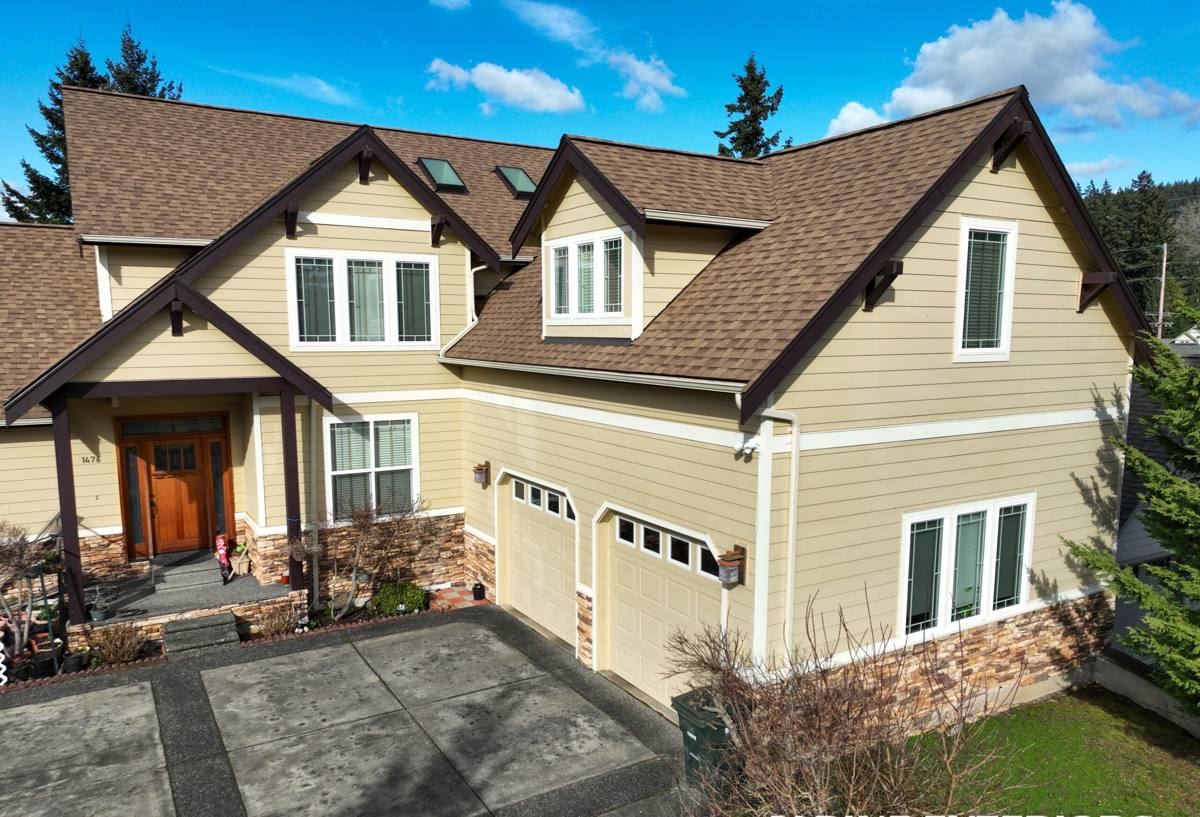
What the Local Climate Does to a Deck Over Time
Whatcom County's marine-influenced weather brings long stretches of steady, low-intensity rain rather than short heavy downpours. That pattern is deceptive — it doesn't look dramatic, but it means wood surfaces, ledger boards, and fastener points stay wet for days at a stretch during the fall and winter months. Add in the shade from surrounding trees common in the Deming area, and you get surfaces that stay damp long after the rain has stopped.
Moss and Organic Growth
A long moss season is one of the most underrated causes of deck damage in this area. Moss holds water directly against decking boards and in the gaps between them, which keeps wood fibers saturated far longer than open, sun-exposed decks elsewhere. Left alone, that moisture leads to soft spots, fastener corrosion, and eventually rot in the boards and the framing underneath.
Driving Rain and Wind-Driven Moisture
When storms move through with wind behind them, rain gets pushed sideways into ledger connections, stair stringers, and any spot where the deck meets the house. These are the joints most likely to leak first, because they're harder to inspect and easy to overlook during a quick visual check.
Freeze-Thaw Cycling
Whatcom County doesn't get extreme cold for long, but it gets enough freeze-thaw swings each winter to matter. Water that's worked its way into a crack or a fastener hole expands when it freezes, widening the damage. Over several winters, a small crack becomes a split board or a loosened post connection.
Salt-Laden Marine Air
Whatcom County's proximity to Puget Sound means the broader region deals with salt-influenced air moving through on weather systems, which accelerates corrosion on exposed metal fasteners, hardware, and connectors over time — even at inland sites like Deming. It's one more reason we don't rely on standard hardware when we're repairing structural connections.
Deck Problems We Commonly Find in the Deming Area
- Soft, spongy, or spring-feeling boards, especially near the house or in shaded sections
- Moss or algae buildup between boards that hides moisture damage underneath
- Rust streaking around screws, nails, or joist hangers
- Loose or wobbly railings and posts, often from rotted post bases
- Gaps or separation where the deck ledger meets the house siding or rim joist
- Stair stringers that flex or feel unstable underfoot
- Discoloration or graying that homeowners assume is just cosmetic but signals surface breakdown
- Standing water or slow drainage on the deck surface after rain
What a Correct Repair Actually Involves
A lot of deck "repairs" amount to swapping out the board that looks worst and calling it done. That approach usually misses the actual source of the problem, which is almost always underneath the visible surface. Our process starts with figuring out why a board failed before we decide how to fix it.
Structural Inspection First
Before replacing anything, we check the framing: joists, beams, posts, and — critically — the ledger board connection to the house. The ledger is where most serious structural failures start, because it's bolted to the house and takes on water from both the deck surface and the wall behind it. We also check post bases and footings, since moisture sitting at ground level in a shaded, damp yard is a common source of rot that never shows up until you press on it.
Isolating the Actual Damage
Rot and moisture damage spread further than they look. We probe surrounding wood with an awl or similar tool to find the real boundary of the damage rather than guessing from surface appearance, so we're not leaving compromised wood behind a new board.
Matching Fasteners and Hardware to the Climate
Given how much moisture this region deals with, we use corrosion-resistant fasteners and connectors rated for exterior, wet-climate use — not general-purpose hardware store screws that will rust and stain the wood around them within a couple of seasons.
Addressing Drainage and Airflow
A repair that ignores drainage just delays the next failure. Where it makes sense, we look at board spacing, ledger flashing, and whether water is actually shedding off the deck or pooling in low spots — because standing water is what turns a healthy deck into a repair job in the first place.
Repair or Replace? How We Help You Decide
Not every deck problem calls for a full rebuild, and not every deck is worth patching. The honest answer depends on how much of the structure is affected, not just how old the deck is.
| Factor | Leans Toward Repair | Leans Toward Replacement |
|---|---|---|
| Framing condition | Joists and ledger are solid, damage is isolated | Multiple joists, the ledger, or posts show rot |
| Extent of damage | A few boards or one section | Damage spread across most of the surface |
| Age of structure | Newer deck with a localized issue | Older deck already near end of service life |
| Railing and stairs | Stable, just cosmetic wear | Loose posts, failing stringers, code concerns |
| Budget goal | Extend usable life a number of years | Want long-term, lower-maintenance solution |
We'll tell you plainly which side of that table your deck falls on. If a repair genuinely gets you several more good years, that's what we'll recommend — we're not looking to sell a rebuild a deck doesn't need.
Our Deck Repair Process
- On-site assessment. We walk the entire deck, check the framing from underneath where accessible, and test boards, railings, and stairs for soft spots or movement.
- Written scope and honest estimate. You get a clear explanation of what's failing, why, and what it will take to fix — no vague line items.
- Removal of compromised material. We pull damaged boards, framing, or hardware back to solid wood, not just the section that looks bad.
- Structural repair. Joists, ledger connections, and post bases get repaired or replaced with fasteners and hardware suited to this climate.
- Surface and finish work. New boards are matched, fastened, and finished so the repair blends in rather than standing out as a patch job.
- Final walkthrough. We check railings, stairs, and the deck surface together with you before we consider the job finished.
Wood vs. Composite: Maintenance Realities for This Climate
Both materials can perform well in Whatcom County if they're maintained and detailed correctly, but they ask different things of a homeowner.
Pressure-Treated and Cedar Decking
Natural wood decking is affordable to repair board-by-board and blends easily when you're patching rather than replacing. Its trade-off is maintenance: in a climate with this much rain and moss growth, wood decking needs regular cleaning and sealing to keep moisture from working into the grain. Skipping that maintenance is the single biggest reason we see premature rot.
Composite Decking
Composite boards resist moisture absorption and moss staining better than wood, which matters in a shaded, damp environment. The trade-off is that composite is less forgiving of installation mistakes — improper spacing, blocked drainage, or the wrong fastening system can trap moisture underneath the board itself, and repairs typically mean replacing a full board rather than patching a section. We treat composite installation and repair as its own discipline, not a drop-in swap for wood.
Why It Matters That We Already Work in Deming
A contractor who mainly works drier, sunnier parts of the region can misjudge a deck problem here, because the failure patterns are different. We already know that in Deming's tree-shaded, river-valley setting, moss and standing moisture do more damage than direct weather events, that ledger connections deserve extra scrutiny, and that hardware needs to be upgraded from what a big-box repair kit includes. That local pattern recognition is what keeps a repair from becoming a repeat visit.
Before You Call: A Quick Homeowner Checklist
- Press on boards near the house and in shaded corners — do any feel soft or spring back slowly?
- Look underneath the deck (if accessible) for staining, sagging, or visible rot on joists
- Check the ledger board where the deck meets the house for gaps, dark staining, or separation
- Grip the top rail and top of each post and give it a firm push — any movement is worth flagging
- Note any spots where water visibly pools on the deck surface after rain
- Check screws and nail heads for rust streaks running down the board
If any of those check out wrong, it doesn't necessarily mean a full rebuild — but it's worth having someone look before another wet season passes.
Get a Straightforward Assessment
If your deck in Deming or the surrounding Lynden area is showing soft spots, moss buildup, rust stains, or a wobble in the railing, we'll come take an honest look and tell you what's actually going on underneath. There's no pressure and no upsell — just a clear picture of the repair versus replace decision and a straightforward estimate. Fill out the form below to get started.