 Lynden Siding
 Blaine Roofs Work Harder Than Most
Homes near Blaine sit close enough to the water that salt-laden air is part of daily life, not an occasional nuisance. Add Whatcom County's long wet season and the deep shade many lots get from mature evergreens, and you've got a climate that pushes roofing materials and installation details harder than they get pushed almost anywhere else in the state. A roof that would hold up fine forty miles inland can wear out early here if it wasn't built with this specific combination of salt air, driving rain, and moss pressure in mind.
That's the lens we bring to every new roof installation we quote in the Blaine area. It's not just "put shingles on a house" — it's picking materials, flashing details, and ventilation that are matched to what this climate actually does to a roof over 20-30 years.
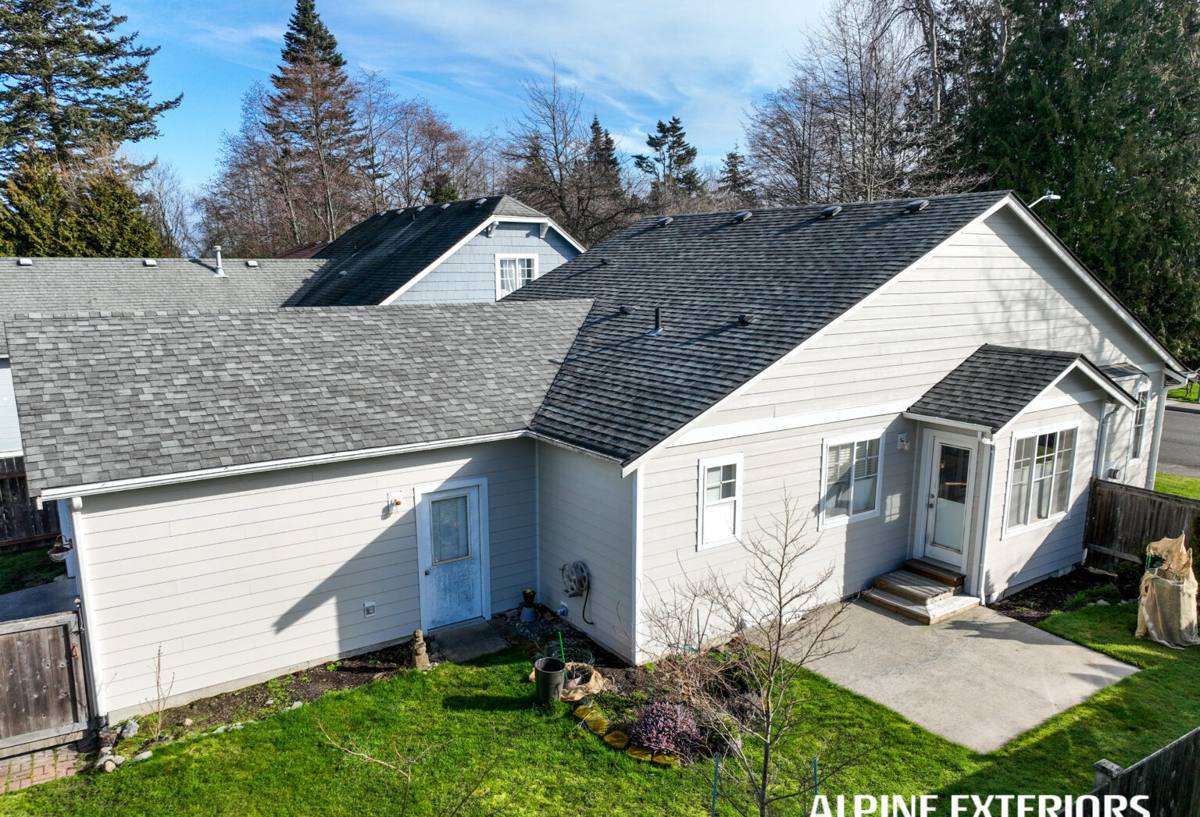
What Salt Air, Rain, and Moss Actually Do to a Roof
Each of these three factors attacks a roof differently, and a correct installation has to account for all of them at once.
Salt Air
Airborne salt accelerates corrosion on any exposed metal — fasteners, flashing, vents, and gutter hardware. Standard galvanized fasteners can start showing rust streaks well before the shingles around them are due for replacement. This is a metallurgy problem more than a shingle problem, and it's one of the most common corners cut on lower-bid roofing jobs near the water.
Driving Rain
Wind-driven rain off the water doesn't just fall straight down — it gets pushed sideways and can work its way under shingles, around penetrations, and behind poorly lapped flashing. Roof details that are "good enough" in a calmer inland climate can leak here, especially at valleys, chimneys, skylights, and wall-to-roof transitions.
Moss and Algae
Shade, moisture, and mild temperatures are exactly what moss wants. Once moss gets a foothold on a roof, it holds water against the shingle surface, lifts shingle edges as it grows, and can shorten the life of an otherwise sound roof by years. Whatcom County's moss season runs long — realistically most of the fall through spring — which means moss isn't a once-a-year cleanup issue here, it's a design consideration.
What a Correct New Roof Installation Includes
A new roof is more than the shingles on top. The parts homeowners don't see are usually what determines whether the roof performs well for 25+ years or starts having problems in year eight.
- Full tear-off: old roofing removed down to the deck so the deck itself can be inspected, not covered over.
- Deck inspection and repair: soft, delaminated, or water-damaged sheathing replaced before anything new goes down — installing over a bad deck just hides the problem.
- Ice and water shield at vulnerable areas: self-adhering waterproof membrane at eaves, valleys, and around penetrations, where wind-driven rain is most likely to find a way in.
- Synthetic underlayment: a water-resistant layer across the full deck as a backup barrier under the shingles.
- Corrosion-resistant flashing and fasteners: matched to a coastal environment, not generic galvanized hardware that starts rusting early near salt air.
- Proper ventilation: intake at the soffits, exhaust at the ridge, sized to the attic so moisture doesn't get trapped underneath the new roof.
- Correct nailing pattern and exposure: installed to the manufacturer's specification, not a faster shortcut pattern that voids the warranty and underperforms in wind.
Choosing a Roofing Material for a Blaine Home
There's no single "best" roofing material — the right choice depends on your home's exposure, roof pitch, budget, and how much moss/algae resistance and low maintenance matter to you. Here's how the common options compare for a coastal Whatcom County home:
| Material | Salt Air / Moisture Performance | Moss Resistance | Typical Lifespan | Trade-Offs |
|---|---|---|---|---|
| Architectural (laminate) asphalt shingles | Good, with corrosion-resistant flashing and fasteners | Better with algae-resistant (AR) shingles | 25-30 years | Most cost-effective; needs periodic moss/debris maintenance |
| Standing seam metal | Excellent when properly coated and detailed | Very good — smooth surface sheds moss | 40-60 years | Higher upfront cost; installation quality is critical near salt air |
| Cedar shake | Requires diligent maintenance in wet coastal climates | Poor without regular treatment | 20-30 years with upkeep | Natural look, but moisture and moss are an ongoing maintenance commitment |
| Composite/synthetic shake | Good | Good, especially with AR-treated products | 30-50 years | Higher material cost than asphalt; less maintenance than real cedar |
We don't push one product on every home. What we do is walk through this table honestly with you and explain which trade-offs matter most given your roof's shade, pitch, and how long you plan to stay in the home.
Building Moss and Algae Resistance Into the Install
Moss control starts during installation, not after the crew leaves. A few details make a measurable difference over the life of the roof:
- Algae-resistant (AR) shingles: shingles with copper or zinc granules mixed into the surface, which discourage algae and moss growth over time.
- Zinc or copper strips at the ridge: rain washing over these metals carries trace amounts down the roof slope, which helps keep moss from establishing on the upper courses.
- Ventilation sized correctly: a roof deck that stays cooler and drier underneath is less hospitable to moss growth from the inside out.
- Clean valleys and flashing lines: debris collects where moss gets its first foothold — good flashing detail keeps water and needles moving instead of pooling.
None of this eliminates the need for occasional moss removal on a shaded roof — nothing does — but it meaningfully slows how fast moss comes back and how much damage it does while it's there.
Our Installation Process
1. Inspection and Estimate
We look at the whole roof system — deck condition, current ventilation, flashing details, and any signs of past leaks — not just shingle wear. You get a written estimate that spells out materials, scope, and timeline before any work starts.
2. Tear-Off and Deck Prep
Old roofing comes off completely, the deck is inspected, and any damaged sheathing is replaced. This is also when we confirm ventilation is adequate or needs adjustment.
3. Installation
Ice and water shield, underlayment, flashing, and the roofing material go on in the correct sequence, following manufacturer specifications for exposure and fastening. This is where corrosion-resistant hardware and careful flashing work at valleys and penetrations matter most.
4. Cleanup and Final Walkthrough
Job site is cleaned, including a magnetic sweep for stray nails, and we walk the finished roof with you so you know exactly what was done and what maintenance (if any) to expect going forward.
Why a Lynden-Based Crew That Works Blaine Matters
Roofing crews based well inland don't always deal with salt-air corrosion or moss-heavy shade lots on a regular basis, so those details can end up being an afterthought rather than something built into the plan from the start. Being based in Lynden and working throughout Whatcom County, including Blaine, means we're regularly seeing how roofs in this specific environment age — which fastener types hold up, which flashing details actually stop wind-driven rain, and which shade patterns cause the worst moss buildup. That's knowledge you only get from doing the work here repeatedly, not from a general roofing playbook.
It also means straightforward logistics: a local crew, local permitting familiarity, and a shorter distance if you ever need a warranty follow-up or a question answered after the job is done.
What Affects the Cost of a New Roof Installation
Every roof is different, so we don't quote sight-unseen — but the main cost drivers are consistent from home to home:
- Roof size and complexity: square footage, plus the number of valleys, dormers, and penetrations.
- Pitch and accessibility: steeper or harder-to-access roofs take more time and safety setup.
- Current deck condition: how much sheathing, if any, needs replacing once the old roof comes off.
- Material choice: asphalt, metal, and composite/shake products span a wide cost range, as shown above.
- Ventilation and flashing upgrades: bringing older ventilation or flashing up to current standards during the tear-off.
We'll walk through these factors specific to your roof during the estimate so you understand exactly what you're paying for and why.
A Practical Pre-Install Checklist
Before committing to a new roof, it's worth confirming a few things with any contractor you're considering — including us:
- Is a full tear-off included, or is this a layover install?
- Will the deck be inspected and repaired as part of the scope, not billed as a surprise change order?
- What fastener and flashing materials are being used, and are they suited to a coastal environment?
- Is ice and water shield included at eaves, valleys, and penetrations?
- Will ventilation be evaluated, not just assumed to be adequate?
- What's the manufacturer's warranty, and does the installation meet the requirements to keep it valid?
- Is the estimate in writing with materials and scope clearly listed?
If your Blaine-area roof is showing granule loss, moss buildup, or you're just planning ahead, we're happy to take a look and give you a straightforward, no-pressure estimate. Use the form below to get in touch.