 Lynden Siding
 Board & Batten Siding for Laurel Homes
Laurel sits in the farm country north and east of Lynden, close enough to the Nooksack lowlands and the marine influence off Bellingham Bay that homes here take on a specific mix of weather: long stretches of driving rain, salt-tinged air that drifts inland on a west wind, and shaded, damp corners where moss gets a foothold and doesn't let go. Board and batten siding is a strong match for this area's older farmhouses, newer builds, and everything in between, but only when it's built and installed with that weather in mind. A vertical siding style that looks clean and simple on the surface hides a lot of detail underneath, and in a climate like Whatcom County's, that detail is what determines whether it lasts fifteen years or fifty.
This page covers what board and batten actually needs to hold up in Laurel, what a correct installation looks like, and why we install it exclusively in James Hardie fiber cement rather than the vinyl or engineered-wood versions sold as cheaper alternatives.
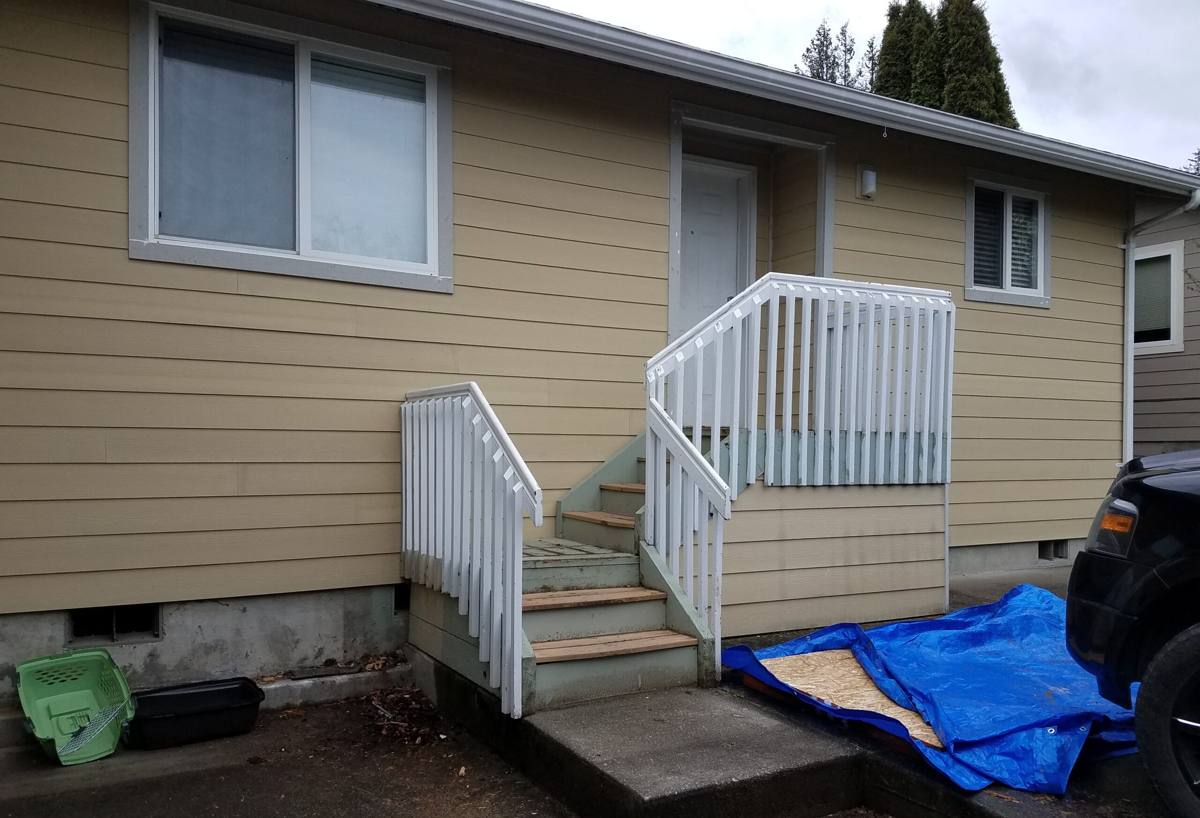
What Laurel's Climate Does to Vertical Siding Over Time
Board and batten has more seams than horizontal lap siding — every batten strip creates a joint where water can find its way behind the cladding if the assembly isn't built correctly. In a climate that delivers sustained, wind-driven rain rather than short showers, those seams are under real pressure for months at a time every year.
Driving Rain
Rain that comes in sideways off a west or southwest wind pushes water up and under laps and battens in a way that straight-down rain never tests. Battens that are only caulked, rather than properly flashed and gapped, are the first place a board and batten job fails.
Moss and Shaded Moisture
Laurel's tree lines, north-facing walls, and overhangs create shaded zones that stay damp far longer than open, sun-exposed elevations. Moss and algae take hold in those spots first, and on a wood-based or poorly finished product, that sustained moisture is what starts rot at the panel edges and behind battens.
Salt-Tinged Marine Air
Whatcom County's proximity to Puget Sound means the air carries a faint salt load even well inland. Over years, that salt content accelerates corrosion on exposed fasteners, staples, and any metal flashing that isn't rated for it — which is why fastener choice and flashing detail matter as much as the siding panel itself.
What a Correct Board & Batten Installation Actually Involves
Board and batten is deceptively simple-looking, which is exactly why it's so often installed wrong. A correct installation is a system, not just a panel and some strips nailed over it.
- A weather-resistive barrier installed and lapped correctly behind the entire assembly, with all penetrations flashed before any siding goes up
- A rainscreen gap — vertical furring strips that create a drainage and drying cavity between the back of the siding and the wall — rather than fastening panels flat against the sheathing
- Correct flashing above windows, doors, and any horizontal trim, so water sheds outward instead of tracking behind the battens
- Panel and batten fastening that follows the manufacturer's nailing pattern and clearance, not a generalized "close enough" spacing
- Proper gapping at butt joints and terminations, sealed with the correct sealant rather than relying on caulk to do a flashing detail's job
- Corrosion-resistant fasteners rated for coastal or marine-influenced exposure
Skip the rainscreen gap or the flashing detail, and the panels themselves stop mattering — water finds a way behind almost any siding material eventually, and what happens after that is entirely about whether the wall assembly can dry out.
James Hardie Board & Batten: The System We Install
We install board and batten using James Hardie fiber cement panels and matching HardieTrim battens, factory-finished with ColorPlus coating. Fiber cement doesn't share wood's rot pathway — there's no organic material for moisture to break down — and it holds its shape and fastener grip in wet-dry cycling far better than engineered wood products over the long run.
Why the Factory Finish Matters Here
ColorPlus finish is baked on at the factory under controlled conditions, which gives it more consistent coverage and better fade and moisture resistance than field-applied paint, especially at cut edges and batten faces that take direct weather. In a climate with Laurel's rain totals, a finish that's failing at year eight instead of year twenty-five is a maintenance bill homeowners shouldn't have to plan for.
Climate-Engineered Product Lines
James Hardie manufactures its siding in regional formulations (HZ10 for the Pacific Northwest and similar wet-climate zones), engineered specifically for high-moisture, freeze-thaw-light but constantly-wet conditions rather than a one-size-fits-all national product. That's part of why we standardized on Hardie rather than treating every fiber cement product as interchangeable.
Why Not Vinyl or Engineered Wood Board and Batten
Vinyl board and batten is inexpensive and low-maintenance in the sense that it doesn't need painting, but it's a thin, flexible material that expands and contracts with temperature and can warp or pull away from fasteners over time, especially on longer vertical runs. Engineered wood products (LP SmartSide and similar) perform reasonably well when the finish and flashing are perfect and stay perfect, but any breach at a cut edge or fastener hole exposes wood strand material to moisture, and that's a harder failure to catch early than it is with fiber cement. We made the call to install only James Hardie because it removes that specific failure mode, not because the alternatives are without merit.
Board & Batten vs. Other Siding Approaches
| Factor | James Hardie Board & Batten | Vinyl Board & Batten | Engineered Wood Board & Batten |
|---|---|---|---|
| Moisture behavior | Non-organic, doesn't rot; needs correct flashing/rainscreen detail | Won't rot but can warp, buckle, or gap over time | Rot risk at any breached edge or fastener hole |
| Finish durability | Factory-baked ColorPlus, long fade resistance | Color is through-body but can chalk and fade | Field or factory paint, needs eventual repainting |
| Fire performance | Non-combustible | Combustible, can melt or deform near heat | Combustible |
| Fastener/edge sensitivity | Low, if installed to spec | Low, but prone to thermal movement issues | High — exposed edges are the weak point |
| Typical lifespan when installed correctly | Decades, factory-backed warranty | Long but with visible aging (fading, warping) | Shorter if maintenance lapses |
Our Process for a Laurel Board & Batten Project
Every job starts with a walk-through of the specific elevations you're re-siding, checking existing sheathing and framing condition before anything is priced. Board and batten replacement is also the right time to correct whatever the old assembly got wrong — often there's no rainscreen gap at all, or flashing that was never installed above openings.
- On-site inspection and measurement, including a look at trim, window and door flashing, and any moss or moisture staining on the existing siding
- A written estimate that separates siding, trim, flashing, and any sheathing repair so you know exactly what you're paying for
- Tear-off and inspection of the wall assembly once the old siding is off — this is where hidden rot or missing barrier work gets found and addressed before it's covered up again
- Installation of the weather-resistive barrier, rainscreen furring, flashing, then the Hardie panels and battens to manufacturer spec
- A final walk-through so you can see the completed work and ask questions before we consider the job done
Why a Crew That Already Works Laurel Matters
Laurel doesn't get its own dedicated building department — permitting and inspection here runs through Whatcom County, and a crew that already handles that process regularly moves projects along without the delays that come from a contractor learning the county's requirements for the first time. Just as important is familiarity with the area's specific exposure: a crew that's worked the shaded, damp lots and the more open, wind-exposed ones around Lynden and Laurel knows where to be extra careful with flashing and rainscreen detail, rather than applying the same generic approach everywhere.
Local knowledge also shows up in smaller ways — knowing which elevations on a typical Laurel property take the worst of the driving rain, recognizing early moss growth as a maintenance signal rather than just a cosmetic issue, and understanding how salt-tinged air affects fastener and flashing choices over a 20-plus year timeline.
What to Ask Before You Hire
- Do you install a rainscreen gap behind board and batten, or fasten panels directly to the sheathing?
- What flashing details do you use above windows, doors, and horizontal trim breaks?
- Is the siding and finish backed by a manufacturer warranty, and is it transferable if I sell the home?
- Can you show me the fastener type and spacing you'll use for this climate?
- Will you inspect the wall sheathing once the old siding is removed, before installing new material?
A contractor who has a clear, specific answer to each of these has done the job correctly before. Vague answers on flashing or fastening are the biggest early warning sign of a board and batten job that will fail early.
Get a Free, No-Pressure Estimate
If you're weighing board and batten siding for a home in Laurel or elsewhere around Lynden, we're glad to come take a look, walk the exterior with you, and put together a straightforward written estimate — no pressure, no obligation. Use the form below to get started.