 Lynden Siding
 Bellingham Roofs Work Harder Than Most
A roof over Bellingham gets a different workload than one 40 miles inland. Sitting along Bellingham Bay puts homes in a marine air zone, which means metal fasteners, flashing, and vents are exposed to salt-laden moisture almost year-round. Add the driving rain that comes off Puget Sound during fall and winter storms, plus a long, shaded moss season on north-facing and tree-covered slopes, and you get a roofing system that ages differently than the same shingle on a dry, sunny lot. Replacing a roof here isn't just about swapping old shingles for new ones — it's about building the roof correctly for the specific conditions it will sit under for the next 20-plus years.
We're based in Lynden and work throughout Whatcom County, so Bellingham's mix of coastal exposure, hillside tree cover, and older housing stock is familiar territory, not a guessing game.
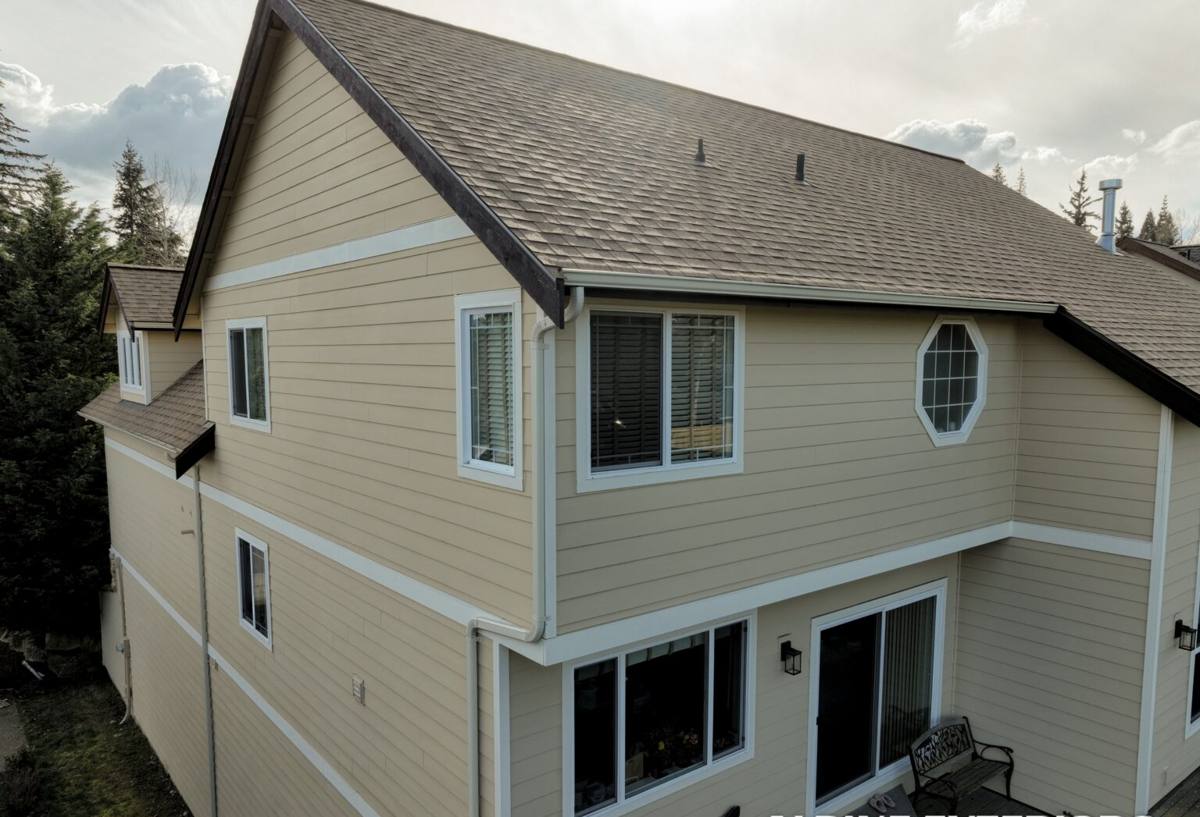
What a Bellingham Home Actually Needs From a New Roof
A correct roof replacement in this climate starts with a few non-negotiables that matter more here than they would in a drier region.
Ventilation That Matches the Moisture Load
Bellingham's damp, cool climate means attic moisture doesn't dry out quickly on its own. A roof system needs balanced intake and exhaust ventilation so warm, moist air isn't trapped against the underside of the decking. Poor ventilation is one of the most common reasons we find rot and premature shingle failure on roofs that are otherwise only 12 to 15 years old.
Flashing Details That Actually Stop Water
Driving, wind-blown rain finds gaps that a calm, straight-down rain never would. Valleys, chimney step flashing, skylight curbs, and wall-to-roof transitions all need to be sealed and layered correctly — not just caulked. Caulk is a stopgap; proper flashing is a system, and it's the difference between a roof that sheds a coastal storm and one that leaks during it.
Corrosion-Resistant Fasteners and Hardware
Salt air accelerates corrosion on standard fasteners, vents, and flashing over time. We use hardware rated for coastal exposure so the small metal parts of the roof don't fail years before the shingles do.
Signs a Bellingham Roof Has Reached Replacement Age
Not every roof problem calls for a full replacement — plenty of leaks and worn spots are legitimate repairs. But there's a point where patching starts costing more than it saves. Signs it's time to talk replacement instead of another repair:
- Granules collecting heavily in gutters and downspouts, or bald patches visible on the shingle surface
- Shingles that are curling, cupping, or cracking across large sections of the roof, not just one area
- Moss mats thick enough to hold moisture against the shingle surface, especially on shaded north slopes
- Multiple separate leaks in a single winter, or a leak that keeps returning after repair
- Soft or spongy decking felt underfoot during inspection, a sign moisture has reached the sheathing
- A roof approaching or past the manufacturer's rated lifespan, particularly if it was never properly ventilated
What a Correct Roof Replacement Involves
A roof replacement done right is a full system rebuild, not a cosmetic layer on top of the old one. Here's what that actually includes:
- Complete tear-off to bare decking — never a layover on existing shingles, which traps moisture and hides deck damage
- Inspection of the roof deck itself, with any soft, rotted, or delaminated sheathing replaced before anything new goes down
- Self-adhered waterproof underlayment at eaves, valleys, and other vulnerable spots where wind-driven rain concentrates
- Synthetic underlayment across the field of the roof for a second line of defense under the shingles
- Correctly installed drip edge, step flashing, and counter-flashing at every wall, chimney, and penetration
- Balanced intake and exhaust ventilation sized to the attic, not just whatever vents were there before
- Shingle or roofing material selected with this climate in mind, including moss-resistant options where the roof has heavy shade exposure
Material choice matters, especially for a roof that has to handle both salt air and persistent shade. Here's a general comparison of common options for Bellingham homes:
| Material | Typical Lifespan | Moss/Algae Resistance | Coastal Notes |
|---|---|---|---|
| Standard architectural asphalt shingle | 25-30 years | Moderate; improves with algae-resistant granules | Reliable, cost-effective, works well with proper ventilation |
| Algae-resistant (AR) shingle | 25-30 years | Good; copper or zinc granules discourage growth | Worth the upgrade on shaded or north-facing slopes |
| Standing seam metal | 40-50+ years | Excellent; sheds moss and debris well | Needs coastal-rated coatings and fasteners near the bay |
| Cedar shake | 20-30 years with upkeep | Poor without regular treatment | Higher maintenance burden in a persistently damp climate |
We'll walk through these trade-offs with you honestly — the right choice depends on your roof's exposure, your maintenance appetite, and your budget, not on pushing whatever we have the most of in the truck.
Our Roof Replacement Process
- On-site inspection. We get on the roof and in the attic, not just a drive-by look, to check decking condition, current ventilation, and where past leaks have happened.
- Written estimate with material options. You get a clear breakdown of what's included and a comparison of material choices, in plain language.
- Permitting. We handle the local permit process so you don't have to chase paperwork.
- Scheduling around the weather. Whatcom County's rain patterns mean timing matters — we plan tear-off and dry-in around forecast windows to keep your home protected throughout the job.
- Tear-off and deck inspection. Old roofing comes off completely, and any compromised decking is identified and replaced before we move forward.
- Underlayment, flashing, and ventilation installed correctly. This is the part of the job that determines how the roof performs in a storm, and we don't shortcut it.
- New roofing installed to manufacturer spec. Correct nailing patterns and exposure are what keep warranties valid and shingles performing as designed.
- Full cleanup and haul-away. Yard, gutters, and driveway are cleared of debris and nails before we consider the job done.
- Final walkthrough. We go over the finished roof with you and answer any questions before we leave.
Keeping Moss and Salt Air From Cutting a New Roof Short
A properly installed roof still needs some ongoing attention in this climate to hit its full lifespan. A few habits go a long way:
- Keep gutters and downspouts clear so water isn't backing up under the shingle edge during heavy rain
- Trim back overhanging branches where practical to reduce shade and debris buildup on moss-prone slopes
- Rinse moss and debris off gently rather than pressure washing, which can strip granules and shorten shingle life
- Have moss buildup treated before it forms thick mats that trap moisture against the roof surface
- Do a visual check of flashing and vents once a year, especially after a bad windstorm off the water
- Watch for granule accumulation in gutters as an early sign of shingle wear
Why Hiring a Crew That Already Works Bellingham Matters
Roofing crews that mostly work drier, inland climates sometimes under-detail ventilation and flashing because it simply doesn't fail as fast there. In Bellingham, those shortcuts show up in the first hard storm season. Working throughout Whatcom County means we already know which slopes and exposures tend to hold moss, how local building departments handle roofing permits, and how to sequence a tear-off around the region's rain patterns so your home isn't sitting exposed longer than necessary. It also means if a question comes up two or three years down the road, you're calling a crew that's still local and still working in your area — not chasing down a company that moved on after the job.
What Affects the Cost of a Roof Replacement
Every roof is different, so exact numbers depend on your specific home. In general, these are the factors that move the price up or down:
| Factor | Effect on Cost |
|---|---|
| Roof size and number of facets/valleys | Larger, more complex roofs take more material and labor |
| Roof pitch and accessibility | Steeper or harder-to-access roofs require more safety setup and time |
| Number of existing layers to remove | Multiple old layers add to tear-off and disposal costs |
| Decking repair needed | Rotted or soft sheathing found during tear-off adds material and labor |
| Material selected | Standard architectural shingle costs less upfront than metal or algae-resistant upgrades |
| Ventilation and flashing upgrades | Bringing an older system up to correct spec adds some cost but protects the investment |
We'll always give you the real numbers for your specific roof in writing, with the reasoning behind them — not a vague estimate you have to decode later.
If your Bellingham roof is showing its age, or you just want an honest opinion on whether it's a repair or a replacement, we're happy to take a look. Fill out the form below for a free, no-pressure estimate.