 Lynden Siding
 Windows Built for Sumas Weather, Not Just Sumas Homes
Sumas sits at the edge of Whatcom County, close enough to the Nooksack lowlands and the Salish Sea's marine air that its windows take a beating most homeowners never think about until a sash won't latch or a sill starts going soft. Long stretches of driving rain, humidity that never fully lets up, and a moss season that colonizes anything that stays damp for more than a few days all work against window assemblies that weren't installed with this climate in mind. A window that's a perfect fit for a dry inland state can still fail here in under a decade if the flashing, sealants, and frame material weren't chosen and installed for Pacific Northwest conditions.
This page covers window installation specifically for Sumas homes — what the local climate demands, what a correct installation actually involves, and how our process works from first look to final walkthrough.
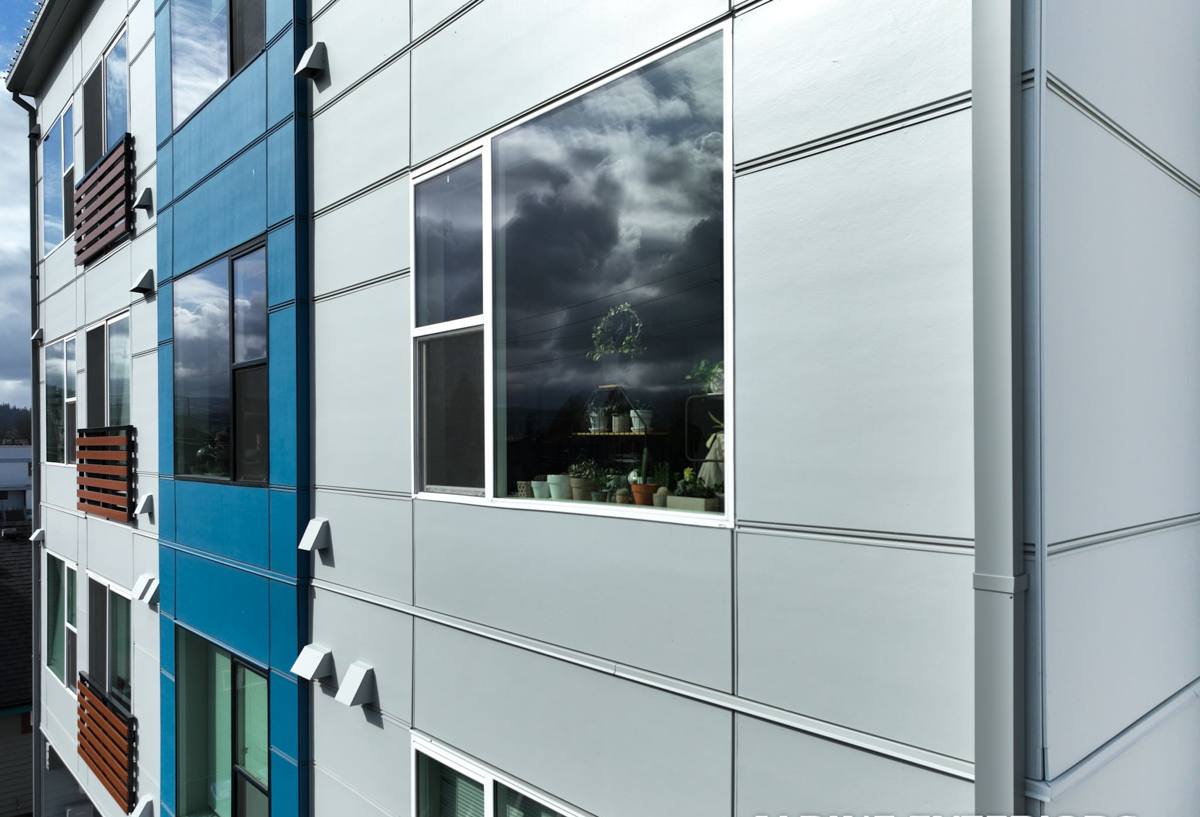
What Whatcom County's Climate Does to Windows
Every window is a hole in the building envelope with moving parts, and in this part of Washington that hole gets tested constantly. A few of the specific stresses we plan around:
- Wind-driven rain: Storms off the water push rain sideways, not just down, which means flashing and sealant details around the window opening matter more here than in drier climates.
- Persistent moisture and moss: Extended damp periods let moss and algae take hold on sills, trim, and any horizontal surface near a window. Left alone, that growth traps moisture against wood and paint.
- Salt-tinged marine air: Air moving in off the Salish Sea carries fine salt content that accelerates corrosion on hardware, screws, and metal flashing that isn't rated for it.
- Temperature swings and condensation: Cool, wet winters and warmer summers mean windows cycle through expansion and contraction, and poorly sealed units fog up or sweat on the interior glass.
- UV exposure in summer months: Even in a cloudy climate, UV breaks down cheap vinyl and worn-out seals faster than people expect.
None of this means Sumas is a uniquely brutal place to own a house. It means window installation here has to account for moisture management first, because that's the failure mode that shows up again and again in this region.
Signs a Sumas Home Needs New Windows
Homeowners usually call us for one of a handful of reasons. If any of these sound familiar, it's worth a look before the problem spreads into the wall framing:
- Visible condensation or fogging between the panes of a double-pane window — a sign the seal has failed
- Soft, spongy, or discolored trim and sills, especially on the sides of the house that catch prevailing wind and rain
- Drafts you can feel near the frame even when the window is fully closed and locked
- Windows that are difficult to open, close, or lock — often a sign the frame has shifted or swollen
- Moss or dark streaking building up on the exterior sill or bottom of the frame
- A noticeable jump in heating costs without any other explanation
- Paint that keeps peeling around the window opening no matter how often it's touched up
What a Correct Window Installation Actually Involves
Window installation isn't just removing an old unit and screwing in a new one — that's how leaks get built into a wall. A correct installation, especially in a wet climate, comes down to a handful of details that don't show once the trim is back on:
Flashing and Water Management
Every opening needs a flashing system that directs water down and out, never behind the siding. That includes sill pan flashing at the bottom of the opening — a small detail that makes a large difference when wind-driven rain gets past the exterior cladding.
Air and Moisture Sealing
The gap between the window frame and the rough opening has to be sealed with the right combination of backer rod, sealant, and insulation — not just foamed solid, which can trap moisture against the frame and cause problems later.
Proper Shimming and Square
A window that isn't shimmed level and square will bind, won't seal evenly, and puts uneven stress on the frame that shortens its life. This is a step that's easy to rush and hard to fix after the trim goes back on.
Interior and Exterior Finish Work
Trim, caulking, and paint or stain on the finished opening aren't cosmetic afterthoughts — they're the last line of defense against moisture getting into wood trim and sills.
Frame Material: What Actually Holds Up Here
We get asked constantly what material is "best." The honest answer depends on the house, the budget, and how much upkeep an owner wants to sign up for. Here's how the common options actually perform in a wet, marine-influenced climate like Whatcom County's:
| Frame Material | Moisture Performance | Maintenance | Typical Lifespan |
|---|---|---|---|
| Vinyl | Good — won't rot, resists moisture well | Low — occasional cleaning | 20–30 years |
| Fiberglass | Very good — dimensionally stable in swings of humidity | Low | 30–40+ years |
| Wood (unclad) | Requires diligent upkeep to avoid rot in this climate | High — regular painting/sealing | Varies widely with maintenance |
| Wood-clad (vinyl or aluminum exterior) | Good — exterior shell protects the wood core | Moderate | 25–35 years |
| Aluminum | Poor thermal performance, prone to condensation | Low, but condensation issues persist | 20–25 years |
We won't install a product just because it's cheap up front if we know it's going to cause callbacks in five years. If a homeowner wants unclad wood windows for a specific architectural look, we'll install them correctly and explain the maintenance commitment honestly rather than talk them out of what they want.
Our Installation Process for Sumas Homes
- On-site assessment: We look at your current windows, the condition of the rough openings, and any signs of past water intrusion before recommending anything.
- Honest product recommendation: Based on your home's exposure (which side takes the weather, how much sun it gets, your budget), we recommend materials that fit — not whatever has the highest margin.
- Careful removal: Old units come out without damaging the surrounding siding or framing, and we check the opening for hidden rot before moving forward.
- Flashing and sealing done right: Sill pan flashing, proper sealant order, and correct shimming — the parts that determine whether the installation lasts.
- New window set and finished: Interior and exterior trim, caulking, and touch-up work completed to match your home.
- Final walkthrough: We test every window with you before we consider the job done — smooth operation, tight seal, and a clean job site.
What to Ask Before Hiring Anyone to Install Windows
Window installation is one of those jobs where the difference between a good contractor and a bad one doesn't show up until the first hard rain — sometimes not for a year or two. A short checklist before you sign anything:
- Are you licensed and insured to do exterior work in Washington State?
- Will you show me the flashing and sealing details before the trim goes back on, or take photos during the process?
- What's the manufacturer's warranty, and what's your labor warranty separately?
- Have you installed windows in this area before, and do you understand the local moisture and wind exposure?
- What happens if you find rot or damage in the rough opening once the old window is out?
- Is the estimate itemized, or is it a single lump number with no breakdown?
What Affects the Cost of Window Installation
Every home and every window opening is different, so we won't put a number on this page that doesn't apply to your project. What we can tell you is what actually drives the price up or down:
| Cost Factor | Why It Matters |
|---|---|
| Frame material chosen | Vinyl runs lower up front; fiberglass and wood-clad cost more but often last longer |
| Number of openings | Whole-house replacement typically has a lower per-window cost than one-off jobs |
| Condition of existing openings | Rot repair or reframing adds labor and material beyond the window itself |
| Window size and style | Large picture windows, bays, and custom shapes cost more than standard double-hung sizes |
| Glass package | Upgraded low-E coatings or gas fills add cost but improve energy performance |
| Access and site conditions | Second-story or hard-to-reach windows take more time and equipment |
We give every homeowner an itemized estimate so you can see exactly what you're paying for, not a single number with no explanation behind it.
Why Work With a Crew That Already Knows Sumas
A contractor who works this part of Whatcom County regularly already knows which directions catch the worst weather, how the local moss and moisture patterns behave, and which flashing details actually matter versus which are just extra labor. That familiarity shows up in fewer callbacks and windows that are still performing well a decade or more after installation, instead of a crew learning the region's quirks on your house for the first time.
We're based nearby, we service homes throughout Lynden and the surrounding Whatcom County communities including Sumas, and we stand behind our labor separately from the manufacturer's product warranty. That means if something isn't right with our installation, it's on us to fix it.
Get a Free, No-Pressure Estimate
If your windows in Sumas are drafty, fogging, hard to operate, or just overdue for a look, we're happy to come take a look and give you a straight answer — whether that means full replacement, a partial job, or just some honest advice about what can wait. Use the form below to request a free estimate.