 Lynden Siding
 Why Sumas Homeowners Ask About Window Efficiency
Sumas sits at the edge of Whatcom County, tucked against the Canadian border in the Nooksack Valley, and it takes weather most other parts of the state don't see in the same combination. Homes here deal with long stretches of damp, marine-influenced air pushing in off the Sound, rain that comes in sideways more often than straight down, and winters that can turn sharp and windy with almost no warning. Windows are usually the first place all of that shows up inside a house — a cold draft along the sill in January, condensation fogging the glass every morning, or a heating bill that climbs every year even though nothing else in the house has changed.
Energy-efficient window replacement isn't a cosmetic upgrade out here. It's a practical response to a specific set of conditions, and the right approach looks different in Sumas than it would in a drier, calmer part of the state.
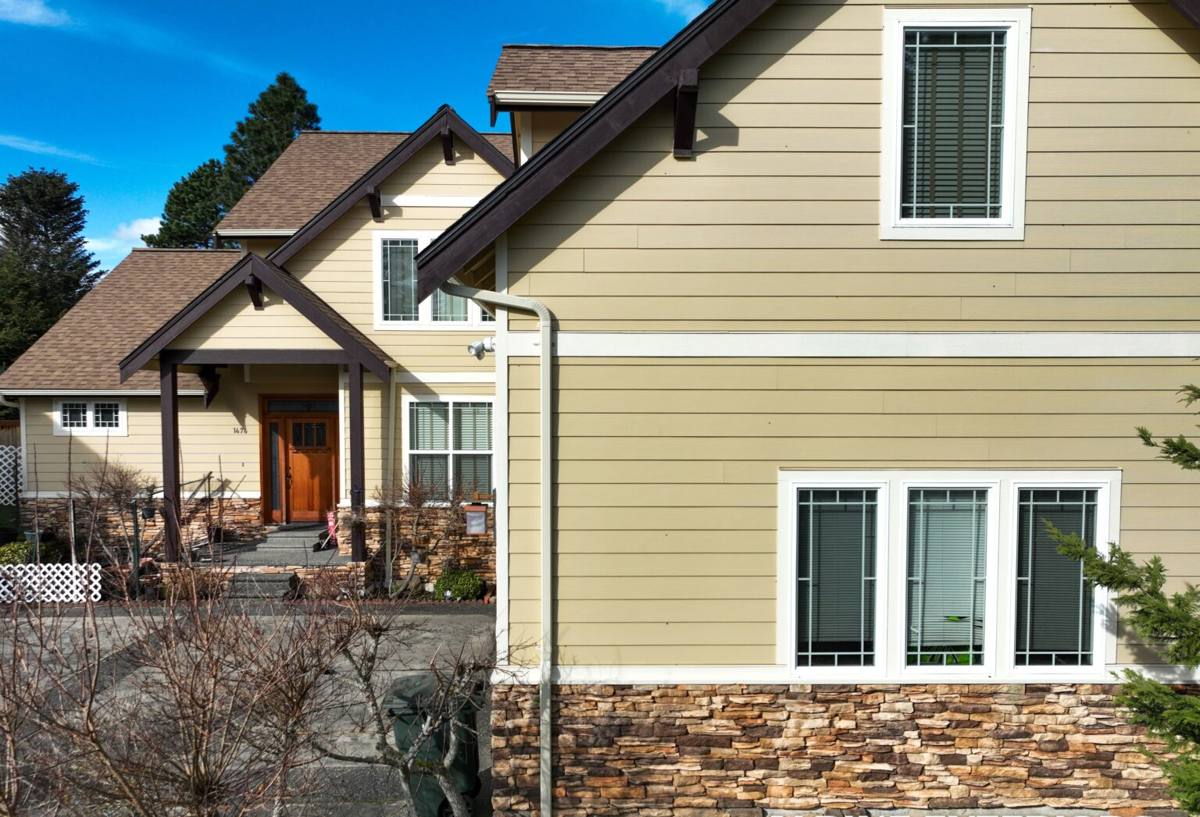
What This Corner of Whatcom County Does to a Window
Driving rain and constant moisture
Rain in this valley doesn't fall politely. Storms often push through with real wind behind them, which means water gets driven horizontally into wall assemblies and window openings, not just down onto rooftops. A window that isn't flashed and sealed correctly will let that moisture find its way into the framing over time, and you often won't see it until there's already damage behind the trim.
The Sumas Gap wind
Sumas sits near a well-known low point in the terrain where cold air funnels down out of the Fraser Valley in winter. When that outflow wind picks up, older or poorly sealed windows become a direct pipeline for cold air into the house. Homeowners who've lived here a while can usually tell you exactly which room gets the worst of it.
Moss, mildew, and shaded exposures
Whatcom County's long wet season keeps humidity high for months at a stretch, and window frames on shaded, north-facing walls are slow to dry out between storms. Wood trim and sills that sit damp for extended periods are prone to moss, mildew staining, and eventually rot — all of which start as a maintenance nuisance and end as a structural repair if ignored.
Signs Your Windows Are Working Against You
Most homeowners don't wake up one day and decide they need new windows — they notice a handful of small annoyances that add up. If several of these sound familiar, it's worth having your windows looked at:
- Condensation or fog building up between the panes of a double-pane window (a sign the seal has failed)
- A noticeable draft near the window frame, even with the window latched shut
- Difficulty opening, closing, or locking a window that used to move smoothly
- Soft or discolored wood trim, sills, or jambs around the window opening
- Visible moss, algae, or persistent black staining on or around the frame
- Rooms that feel noticeably colder or draftier than the rest of the house
- Outside noise — traffic, wind, rain — coming through more than it should
- Heating costs that keep climbing without any other explanation
What "Energy-Efficient" Actually Means
The term gets used loosely in marketing, but there are a few concrete things that separate a genuinely efficient window from one that just looks new. Understanding them helps you evaluate any quote or product a contractor puts in front of you.
U-factor
This measures how well a window resists heat flow — lower is better. In a climate that swings between damp cold and warm, drier stretches, a window with a strong U-factor keeps conditioned air inside instead of leaking it out through the glass and frame.
Solar heat gain coefficient (SHGC)
This measures how much solar heat passes through the glass. In Whatcom County, where summers are mild but winters are long, the right SHGC balance depends on the exposure of each wall — a south-facing window can work in your favor for winter warmth, while a west-facing window in a hot afternoon spot may need more solar control.
Gas fills and spacers
Quality double- and triple-pane windows use an inert gas fill, usually argon, between the panes to slow heat transfer, along with a warm-edge spacer bar that reduces the cold spot right at the edge of the glass. Cheaper units skip or shortcut these details, and it shows up as a cold ring near the frame even when the rest of the window feels fine.
Windows that carry an ENERGY STAR rating for the Northern Climate Zone have been tested to hold up to conditions like ours — that's a useful baseline to ask about when comparing products, rather than relying on marketing language alone.
Frame Materials: What Holds Up Here
Frame material matters as much as the glass package, especially in a climate this wet. Here's how the common options compare for a Sumas-area home:
| Frame Material | How It Handles Local Moisture | Maintenance |
|---|---|---|
| Vinyl | Doesn't rot or absorb water; performs consistently through wet winters | Low — occasional cleaning, no repainting |
| Fiberglass | Very stable in temperature swings; strong resistance to moisture and warping | Low — durable finish, minimal upkeep |
| Wood-clad | Attractive interior wood look, but the cladding must be installed and sealed precisely to keep moisture out of the wood core | Moderate — depends heavily on install quality and exposure |
| Aluminum | Conducts cold readily and is prone to interior condensation in our climate unless thermally broken | Low, but efficiency trade-offs are real |
We lean toward vinyl and fiberglass for most Sumas homes because they hold up to sustained moisture without the ongoing maintenance burden of a wood product in this climate. Wood-clad windows can still be the right call for a specific look or a historic home, but we're upfront that they demand more attention over the years than a vinyl or fiberglass window will.
How We Approach a Window Installation Here
The window unit itself only does half the job — installation quality determines whether that efficiency actually holds up against driving rain and winter wind. Our process is built around that reality:
- On-site assessment. We look at each window opening individually — exposure, existing damage, current flashing, and how the wall assembly is built — rather than treating every window on the house the same.
- Removal and inspection. Once the old window is out, we check the framing underneath for hidden rot or moisture damage before anything new goes in. This is often where problems that caused the original draft or fog actually get found.
- Flashing and moisture barrier work. Proper flashing tape and weather-resistant barrier integration at the sill and jambs is the single biggest factor in keeping driving rain out of the wall long-term — this step gets no shortcuts.
- Setting and leveling the new window. A window that isn't shimmed and leveled correctly won't seal or operate properly, no matter how good the unit is.
- Sealing and insulating the gap. We insulate around the frame and seal the exterior properly so wind can't find a path around the window even when it's shut tight.
- Interior and exterior trim finish. Trim is reset or replaced so the finished look matches the rest of the house, inside and out.
- Final walkthrough. We test operation, locks, and seals with you before calling the job done.
Why Local Installation Experience Matters
Window replacement done wrong doesn't usually fail on day one — it fails two or three winters later, when a flashing detail that seemed fine in dry weather can't keep up with a real Sumas storm pushing rain sideways into the wall. A crew that regularly works this part of Whatcom County knows which details can't be shortcut here: the flashing sequence, the sill pan work, the sealing around a wall that's going to take a direct hit from wind-driven rain more than once a season. That's not something you get from a general handyman doing a window here and there — it comes from doing this work repeatedly in this exact climate.
We also know how to sequence window work around Sumas and Lynden's wetter months, and we don't leave an opening exposed longer than it has to be while a job is underway.
What Affects the Cost
Every home is different, and we'll always give you a real number after seeing the job in person — but these are the main factors that move the price up or down on a typical replacement:
| Factor | Why It Matters |
|---|---|
| Number of windows | Larger projects typically bring a lower per-window cost than single replacements |
| Frame material | Vinyl tends to be the most budget-friendly; fiberglass and wood-clad cost more upfront |
| Glass package | Triple-pane and higher-performance coatings cost more than standard double-pane glass |
| Condition of existing framing | Hidden rot or water damage found during removal adds repair work before the new window goes in |
| Window size and style | Custom shapes, large picture windows, and specialty operating styles (casement, awning) cost more than standard sizes |
| Access and site conditions | Second-story or hard-to-reach windows take more time and equipment |
As a broad guideline, a straightforward vinyl replacement window installed typically runs from several hundred dollars up into four figures per window, with fiberglass, wood-clad, and larger or custom units running higher. We'll walk through where your project falls once we've seen the openings in person.
Getting Started
If your windows are fogging up, letting in drafts, or just costing you more to heat around every winter, it's worth having someone take a look before another wet season sets in. We're happy to walk your Sumas property, point out what we actually see — no upsell, no pressure — and put together a straightforward estimate for the work that makes sense for your home.