 Lynden Siding
 Siding Repair Built for Wiser Lake's Conditions
Homes around Wiser Lake sit in one of the more moisture-heavy pockets of Whatcom County. The lake itself keeps humidity higher than in town, mature trees shade large sections of most exterior walls for much of the day, and the whole area sits inside the broader marine climate pattern that brings Whatcom County long stretches of driving rain off the Salish Sea. Add in a moss season that can run from fall through spring, and siding here works harder than siding on a dry, open lot in the middle of Lynden.
Siding repair in a setting like this isn't a cosmetic fix. Done right, it's about finding where water is actually getting in, why it's getting in, and stopping it before it reaches framing, sheathing, or insulation. Done wrong — caulk over a crack, a patch that doesn't match the drainage plane behind it — it buys a homeowner a year or two before the same spot fails again, usually worse.
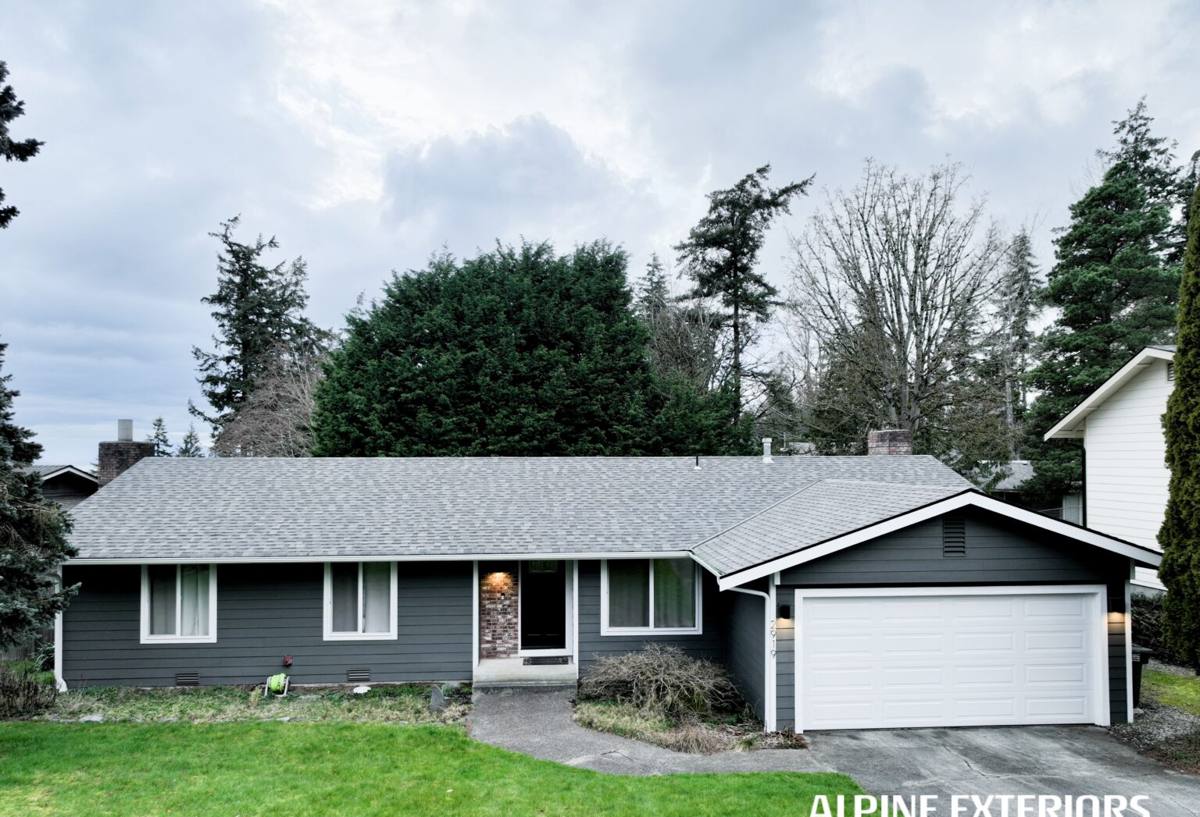
Why Wiser Lake's Environment Is Tougher on Siding Than Town Lynden
Persistent shade and slow drying
Tree cover around the lake is a feature homeowners chose the area for, but it means north- and east-facing walls in particular can stay damp for days after a storm instead of drying out in an afternoon. Siding that never fully dries between rain events is siding that's more likely to trap moisture behind it, even if the surface looks fine.
Moss, algae, and organic buildup
Shade plus humidity is exactly what moss and algae need. On siding, that growth isn't just an appearance issue — it holds moisture directly against the surface, and on the wrong material it can work into seams, fastener holes, and butt joints over time.
Driving rain and wind-driven wetting
Whatcom County's storms regularly come in sideways, not straight down. That matters at every horizontal joint, corner, and penetration (hose bibs, vents, light fixtures) where siding depends on correct lap, flashing, and sealant detailing to shed water instead of absorbing it.
Ground moisture near the lake
Properties close to the water table or with limited grading slope can see splash-back and lingering dampness at the lowest courses of siding — often the first place we find rot or delamination on a service call in this area.
Signs Your Wiser Lake Home Needs Siding Repair
Most siding failures don't announce themselves with a hole in the wall. They show up as small, easy-to-dismiss signs first. Worth checking for, especially on shaded or lake-facing walls:
- Soft or spongy spots when you press on the siding, especially near the bottom courses or under windows
- Visible moss or dark streaking that keeps coming back within weeks of cleaning
- Bubbling, peeling, or bulging paint or finish, which usually means moisture is trapped underneath
- Cracked, warped, or separated panels or boards, particularly at butt joints
- Gaps opening up around window and door trim, or at corner boards
- Musty smell or visible staining on interior walls that back up to exterior siding
- Nail heads popping or streaking with rust
- Higher-than-normal heating bills with no other obvious cause, which can point to moisture-compromised insulation behind the siding
What a Correct Repair Actually Involves
A repair that's worth paying for starts before anyone touches the siding. It starts with figuring out why that section failed in the first place — otherwise you're patching a symptom.
Diagnose before you patch
We check the failed area itself, but also the flashing, house wrap, and drainage plane behind it, and we look at what's happening around it — grading, gutters, downspout discharge, sprinkler overspray, tree canopy. On a lake lot, drainage and shade patterns are often the real cause, not the siding material itself.
Match the material and the exposure
Replacement pieces need to match not just the color and profile of the existing siding, but its exposure and fastening pattern, so the repaired section drains water the same way the rest of the wall does. A mismatched patch can create a new place for water to collect.
Rebuild the water management, not just the surface
Any competent repair replaces or restores the building paper, flashing, and joint treatment underneath — not just the visible siding. This is the part that actually keeps water out for the next twenty years, even though it's invisible once the job is done.
Address the moss and moisture source, not just the mold
If shade and moisture caused the failure, a repair that ignores that will fail again on the same timeline. Sometimes the fix includes recommending gutter or grading adjustments, or simply flagging that a section will need more frequent cleaning because of its exposure.
Repair or Replace: How We Make the Call
Not every damaged section needs a full re-side, and not every problem is fixable with a patch. We walk homeowners through the honest version of this decision rather than defaulting to the most expensive option.
| Factor | Favors Repair | Favors Replacement |
|---|---|---|
| Extent of damage | Isolated to one or two wall sections | Recurring failures across multiple walls |
| Underlying material | Sound siding, localized flashing or joint failure | Widespread rot, delamination, or warping |
| Age of siding | Newer install, still within expected service life | Original siding well past typical lifespan |
| Cause of failure | Fixable — poor flashing, one bad joint, a clogged gutter | Systemic — wrong product for the exposure, chronic moisture |
| Moss/algae history | Manageable with cleaning and minor repair | Persistent regrowth despite repeated treatment |
When a home is on its second or third round of patching the same wall, replacement usually costs less over time than continuing to chase individual failures.
Our Wiser Lake Repair Process
- Walk the exterior — every wall, not just the section the homeowner called about, since lake-adjacent homes often have more than one problem area from the same shade or drainage pattern
- Check behind the siding at the failure point to confirm the extent of water intrusion before quoting anything
- Provide a straight assessment — what needs repair now, what to watch, and what we'd flag as a future replacement issue
- Match materials and details so the repair drains and weathers the same as the surrounding siding
- Rebuild flashing and joints to correct spec, not just seal-and-cover
- Clean up moss and organic growth in the surrounding area so the repair isn't immediately recontaminated
Why We Repair With — and Recommend — James Hardie
When a repair calls for new siding material, we use James Hardie fiber cement. It's the only siding product we install, on repairs and full re-sides alike, and in a moisture-heavy environment like Wiser Lake the reasoning is straightforward.
Fiber cement doesn't absorb and swell the way wood-based products can, which matters directly on a lot with heavy shade and slow drying. Hardie's factory-applied ColorPlus finish resists the fading and peeling that shaded, damp walls tend to accelerate, so a repaired section holds its color closer to the rest of the wall for longer. Hardie also builds specific HZ product lines engineered for wetter climate zones, which the Pacific Northwest falls into. We're not going to tell a homeowner that vinyl or engineered wood siding is worthless — both have real uses — but for this specific climate and this specific failure pattern, fiber cement is what we're willing to put our name behind and warranty.
Why a Crew That Already Works Wiser Lake Matters
Siding repair estimates that come from a quick drive-by, without local context, tend to miss the actual cause of failure. A crew that has worked other homes around the lake already knows which wall orientations take the worst of the driving rain, how aggressive the moss season typically is in a given pocket of tree cover, and what drainage issues are common on lake-adjacent lots versus in-town Lynden properties. That local pattern recognition is the difference between a repair that fixes the real problem and one that just covers it up for a season.
It also means faster, more accurate diagnosis on-site — less time spent theorizing about causes, more time spent confirming what's actually happening behind the wall and getting it corrected.
Keeping Repaired Siding From Failing Again
A good repair should outlast the conditions that caused the original problem, but a little upkeep extends that further, especially this close to the lake:
- Rinse moss and algae off shaded walls before it has a chance to establish, rather than after it's visibly thick
- Keep gutters clear so overflow isn't running down the siding face
- Trim back branches and brush holding moisture against exterior walls
- Walk the exterior each fall and spring looking for the early warning signs listed above
- Have any new soft spot or moss regrowth checked promptly rather than waiting for it to spread
If you're seeing early signs of trouble on a Wiser Lake home, or just want an honest read on whether a section needs repair or replacement, we're happy to take a look. The estimate is free, there's no pressure, and you'll get a straight answer either way — use the form below to get started.