 Lynden Siding
 Roofing a Home Near Wiser Lake
Wiser Lake sits in the mix of open farmland and tree-lined lakefront that defines this part of Whatcom County, just outside Lynden. Homes here run the gamut from older lake cabins that have been converted to full-time residences to newer construction set back among mature evergreens. What most of these properties share is exposure to a lot of shade, a lot of standing moisture, and a roofing environment that is noticeably harder on materials than a roof out in open sun and wind. A new roof installation here isn't just about swapping old shingles for new ones — it's about building a roof system that's suited to how water, moss, and debris actually behave on a lot like this.
We install roofs throughout Lynden and the surrounding Whatcom County communities, and Wiser Lake properties come with their own set of recurring issues we plan for before the first shingle ever comes off.
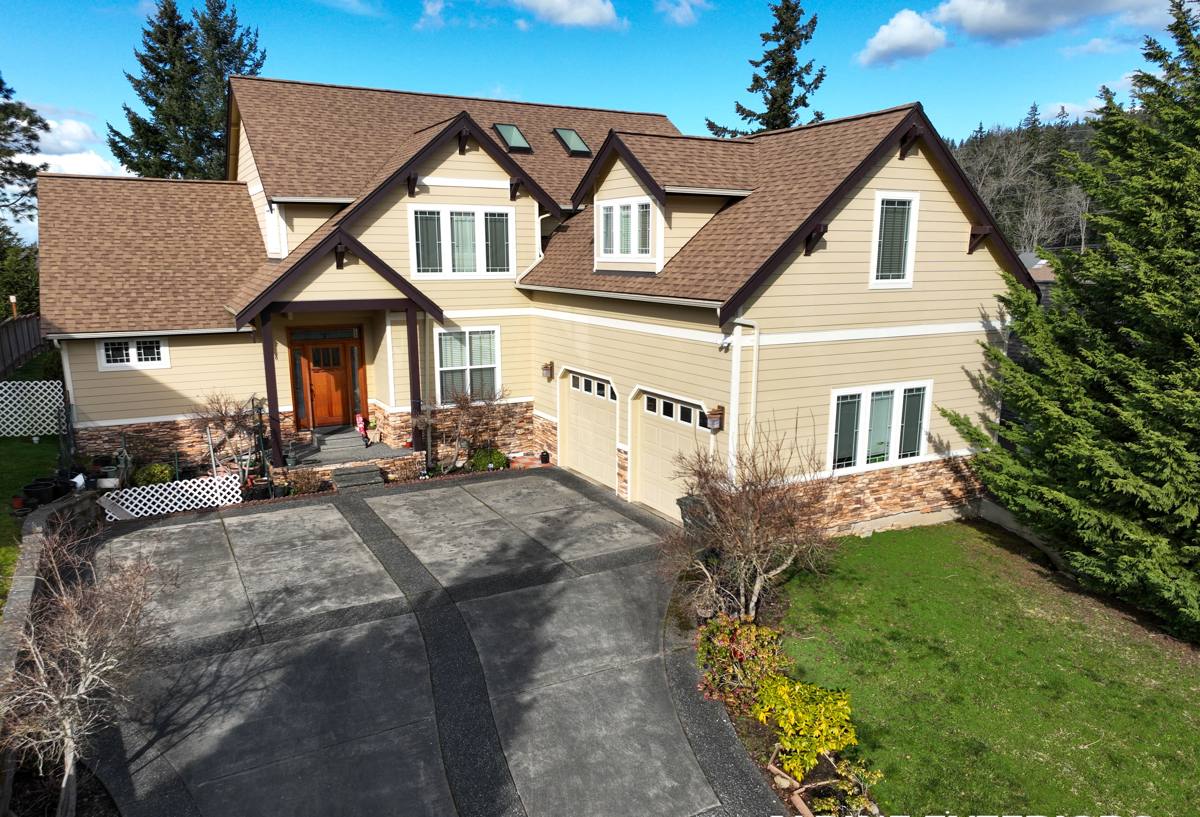
What the Lake Environment Does to a Roof
Shade and Moss
Tree cover around Wiser Lake keeps roofs shaded for a large part of the day, especially on the north and east-facing slopes. Shade is nice for the house in July, but it means roof surfaces stay damp longer after every rain, fog, or heavy dew — and damp, shaded shingles are exactly what moss and algae need to take hold. Once moss establishes itself, it doesn't just sit on the surface; it works its roots under shingle tabs, lifts them, and holds water against the roof deck. A new roof installation is the right time to address this properly, rather than just re-treating an aging roof that's already lost its granule coating to years of moss growth.
Tree Debris and Valleys
Needles, leaves, and small branches collect in valleys, behind chimneys, and along lower roof edges faster on a wooded lake lot than on an open one. That debris holds moisture against the roof surface and can dam water during a heavy downpour, forcing it sideways under shingles instead of down and off the roof. Valley design and flashing detail matter more here than on a typical open-lot home, and we account for that in the layout.
Marine Air and Driving Rain
Whatcom County sits in a marine climate shaped by Pacific weather systems moving in off the Sound — long stretches of steady rain, occasional wind-driven storms, and humid air that doesn't dry out quickly even between systems. That combination of moisture and moss season stretching through much of the year is hard on roofing systems that weren't built with adequate underlayment and ventilation. A roof that would hold up fine in a drier climate can fail early here if it wasn't installed with that reality in mind.
What a Correct New Roof Installation Involves
Tear-Off and Deck Inspection
We remove the existing roofing down to the deck rather than installing over old layers. This lets us actually see the plywood or plank sheathing underneath — which, on an older Wiser Lake home, has often taken on some moisture damage from years of moss holding water against it. Soft, delaminated, or rotted decking gets replaced before anything new goes down. Skipping this step is the single most common reason a "new" roof fails early.
Underlayment and Ice-and-Water Barrier
A synthetic underlayment goes down over the full deck as the primary water barrier beneath the shingles. In vulnerable areas — eaves, valleys, around chimneys and skylights — we add a self-adhering ice-and-water membrane. On a shaded, moisture-heavy lot like a lake property, this extra protection at the weak points is not optional upgrade territory; it's what keeps a slow valley leak from turning into rotted decking a few years down the road.
Ventilation
An underventilated attic traps warm, moist air against the underside of the roof deck, which accelerates rot from the inside and can actually encourage moss growth from below as the deck stays damp longer. Balanced intake at the eaves and exhaust at the ridge keeps air moving and keeps the deck dry — a detail that's frequently missing or undersized on older homes we open up.
Flashing and Valleys
Step flashing at walls and chimneys, and properly formed valley metal or woven shingle valleys, are where most roof leaks actually start — not out in the open field of the roof. On a tree-heavy lot where valleys collect debris, we favor open metal valleys where it makes sense, since they shed debris and water more reliably than valleys where shingles overlap directly.
Material Selection
We'll walk through options based on your roof's slope, sun/shade exposure, and budget — not push one product on every house.
| Material | Typical Lifespan | Moss Resistance | Best Fit For |
|---|---|---|---|
| Standard 3-tab asphalt shingle | 15-20 years | Low — needs regular treatment | Budget-conscious re-roofs on lower-slope, shaded sections |
| Architectural (dimensional) shingle | 25-30+ years | Moderate, better with algae-resistant granules | Most Wiser Lake homes — balance of cost and durability |
| Metal roofing (standing seam or panel) | 40-50+ years | High — sheds moss and debris well | Steep, heavily shaded roofs or long-term owners wanting minimal maintenance |
| Synthetic/composite shingle | 30-40 years | Moderate to high depending on product | Homeowners wanting impact resistance with a shingle appearance |
For most shaded, moss-prone roofs in this area, we recommend at minimum an architectural shingle rated with algae-resistant (AR) granules — standard 3-tab shingles without that protection tend to show moss streaking within just a few years under heavy tree cover.
Our Process
- On-site assessment — we walk the roof and attic, check the deck condition where accessible, and note shade patterns, valley layout, and ventilation.
- Written estimate — a clear scope and price, with material options explained rather than a single take-it-or-leave-it number.
- Scheduling around weather — we plan installation windows with Whatcom County's rain patterns in mind, and stage materials to keep the deck covered and dry during the work.
- Tear-off and deck repair — old roofing removed, deck inspected and repaired as needed before anything new goes down.
- Underlayment, flashing, and shingle installation — installed to manufacturer specification so warranties stay valid.
- Cleanup and final walkthrough — magnetic sweep for nails, debris hauled off, and a final walk-through so you know exactly what was done.
Why Local Experience With Wiser Lake Properties Matters
A crew that mostly roofs open, sunny subdivisions will size up a shaded lake lot the same way — and that's how you end up with a roof that moss-streaks in three years instead of ten. Working regularly around Lynden and Wiser Lake means we already know which slopes on a wooded lot need extra ventilation, where valleys tend to collect debris, and which underlayment upgrades are worth the cost on a shaded roof versus an open one. That local pattern recognition shows up in fewer callbacks and a roof that performs the way it's supposed to for its full expected lifespan.
It also matters for scheduling and access. Lake-area properties sometimes have tighter driveways, septic systems to route equipment around, or limited staging space near the house — details worth flagging at the estimate stage rather than discovering on install day.
Signs Your Roof May Need Replacement, Not Just Repair
- Moss or algae streaking that returns within a year or two of cleaning or treatment
- Shingles that are curling, cracking, or losing granules in patches (visible as bare, shiny spots)
- Soft or spongy spots when walking the roof, or visible sagging along the ridge or eaves
- Daylight visible through the roof deck from inside the attic
- Water stains on ceilings or attic sheathing, especially near valleys or chimneys
- Roof is 20+ years old (asphalt) and has never been fully replaced, only patched
- Granules consistently collecting in gutters after normal rain, not just after a storm
If you're only seeing one or two of these, a repair may still make sense. Several at once, especially combined with an aging roof, usually points to replacement being the more cost-effective path.
After Installation: Keeping a New Roof Performing on a Shaded Lot
A new roof reduces moss risk significantly, but it doesn't eliminate the conditions causing it — the shade and moisture around a lake lot don't go away. A light annual check for debris buildup in valleys and along the lower edge, plus keeping overhanging branches trimmed back where practical, goes a long way toward protecting the investment. We're happy to point out what to watch for on your specific roof once the install is done, based on how it's oriented to the sun and tree line.
What Affects the Cost of a New Roof Here
| Factor | Why It Matters on a Wiser Lake Property |
|---|---|
| Roof pitch and complexity | Steeper roofs and multiple valleys (common with additions on older lake homes) take more labor and material |
| Deck condition | Moss-related moisture damage found during tear-off may require plywood/sheathing replacement |
| Material choice | Architectural shingle vs. metal vs. composite carries a wide price range, shown above |
| Access and staging | Tree cover, driveway width, and septic layout can affect equipment and dumpster placement |
| Ventilation upgrades | Adding proper intake/exhaust venting where an older roof lacks it |
We don't quote a roof over the phone based on square footage alone — pitch, layout, and what we find at the deck level all move the number, and we'll walk you through exactly why before any work starts.
If your roof near Wiser Lake is showing its age, streaked with moss, or just due for replacement, we're glad to come take a look and put together a straightforward, no-pressure estimate — use the form below to get started.