 Lynden Siding
 Windows Built for Laurel's Weather, Not Just Its View
Laurel sits in a stretch of Whatcom County where the weather doesn't do anything halfway. Winters bring driving rain that comes in sideways off the water, humidity that never fully lets up, and long stretches of gray where moss and mildew get a foothold on anything that stays damp too long. Add in the salt-tinged air that drifts inland from the Strait, and you've got a climate that's genuinely hard on window frames, seals, and glass coatings. A window that performs fine in a dry inland climate can start failing here in half the time.
When we replace windows for Laurel homeowners, we're not just swapping out old glass for new. We're accounting for how this specific stretch of Whatcom County treats building materials year-round, and we're building in the drainage, sealing, and material choices that keep a replacement window performing for its full service life instead of just its first few winters.
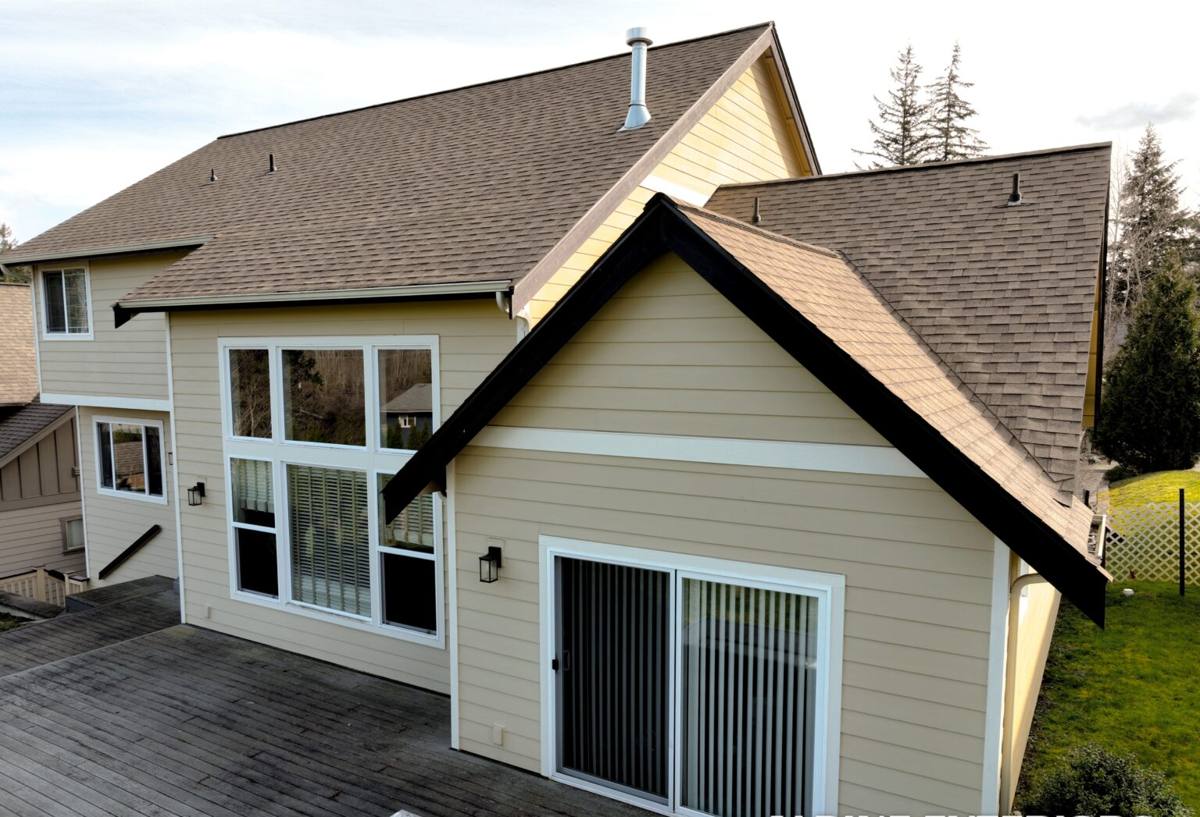
What Laurel's Climate Actually Does to Windows
Driving rain and wind-driven moisture
Laurel isn't sheltered the way some inland Lynden properties are. Storms coming off the water push rain horizontally against west- and south-facing walls, which means window flashing and sealant have to do real work, not just sit there for show. Poorly flashed windows in this kind of exposure don't leak dramatically — they leak slowly, behind the trim, where you don't see it until there's rot.
Salt air and hardware corrosion
Salt-laden air corrodes unprotected metal hardware, cheap screws, and lower-grade aluminum components faster than most homeowners expect. Locks get stiff, cranks on casement windows seize up, and weep hole covers can rust shut — which is a real problem, because weep holes are how a window drains the rain it inevitably lets in.
Moss, mildew, and prolonged dampness
Whatcom County's moss season runs long, and it's not just a roofing and siding issue. Moss and algae growth around window sills and frames holds moisture against the material, which accelerates wood rot and paint failure on lower-quality frames. Vinyl and fiberglass resist this better than wood, but even those need sills and trim detailed so water doesn't pool and sit.
Signs a Laurel Home Needs Window Replacement, Not Just Repair
- Fogging or persistent condensation between panes — the seal has failed and the gas fill (if any) is gone
- Soft, spongy, or visibly rotted wood at the sill or lower frame corners
- Windows that won't stay open, won't latch, or have swollen shut with humidity
- Visible daylight or a draft you can feel at the frame edge when it's windy outside
- Paint or finish that keeps failing in the same spot no matter how often it's touched up
- A noticeable jump in heating costs with no other explanation
- Moss or dark staining building up on the sill or trim year after year
Some of these are legitimately repairable — a failed weatherstrip or a stuck sash doesn't always mean full replacement. But once rot has reached the frame or the seal between panes has broken down, repair is a temporary patch, not a fix.
What a Correct Window Replacement Involves
Replacing a window well is mostly about what happens before the new window ever goes in the opening. The window itself matters, but the installation is what determines whether it performs for 20+ years or starts failing again in five.
Assessing the opening
Before anything comes out, we check the rough opening for hidden rot, check how the existing window was flashed (or wasn't), and confirm the opening is square and sound. This is where problems that caused the original failure — like inadequate flashing or a missing drip cap — get caught and corrected instead of sealed back up.
Flashing and drainage, done properly
Given how much wind-driven rain Laurel sees, we treat flashing as the part of the job that actually keeps water out, not a formality. That means proper sill pan flashing, correctly lapped house wrap or building paper, and a drainage path so any water that does get behind the cladding has somewhere to go besides the wall framing.
Material and hardware selection
We steer clients toward vinyl or fiberglass frames with corrosion-resistant, marine-grade or coated hardware for this area specifically. Wood-clad windows can still be the right call for certain homes, but we're upfront that they carry a higher maintenance burden in a climate this damp — the cladding protects the exterior, but any exposed wood detailing needs upkeep to avoid the rot issues we see on older Laurel homes.
Sealing and insulation
Low-expansion foam or backer rod and sealant around the frame, done to manufacturer spec, closes off the air and moisture gaps that cheaper installs leave behind. This is also where a lot of that draft and energy-loss complaint gets solved — not from the glass itself, but from how tightly the frame is sealed into the wall.
Comparing Window Frame Materials for This Climate
| Material | Moisture Resistance | Maintenance | Typical Fit for Laurel Homes |
|---|---|---|---|
| Vinyl | Excellent — won't rot or corrode | Low — occasional cleaning | Strong all-around choice for budget-conscious, low-maintenance replacement |
| Fiberglass | Excellent — very stable in wet/humid swings | Low | Good for larger openings or homes wanting a more premium finish |
| Aluminum | Fair — prone to corrosion near salt air unless coated | Moderate | Best reserved for specific architectural needs, not general replacement here |
| Wood / wood-clad | Good on the clad face, vulnerable at exposed wood joints | High — needs regular inspection and finish upkeep | Workable for homeowners who want the look and will commit to maintenance |
None of these materials are wrong choices in general — it's about matching the material's real-world upkeep needs to how much time a homeowner wants to spend on it, and being honest that this particular climate punishes neglect faster than most.
Cost Factors for Laurel Window Replacement
Every home is different, so we don't quote sight unseen, but the main variables that move the price are consistent:
- Window size and configuration — a large picture window or a multi-panel bay costs more than a standard single or double-hung
- Frame material — vinyl is typically the most budget-friendly, fiberglass and wood-clad run higher
- Extent of rot or flashing repair — hidden damage found once the old window is out adds labor and material
- Number of windows done at once — bundling a full-home replacement generally lowers the per-window cost versus doing them one at a time
- Glass package — upgraded low-E coatings or gas fills add cost but pay back in comfort and efficiency
- Access and second-story work — harder-to-reach windows take more time and equipment
Broadly, homeowners in this area should expect a wide range depending on these factors — we'll give you real numbers once we've actually looked at the openings, not a generic estimate that ignores your home's specific condition.
Why Local Experience in Laurel and Lynden Matters
A crew that already works this part of Whatcom County knows what a Laurel-area window opening tends to look like after a few decades of driving rain and moss season — where rot typically shows up first, which original flashing details tend to fail, and which frame materials actually hold up here versus what a national retailer's default package assumes for a drier climate. That's the difference between a window install that just looks right on day one and one that's still performing correctly ten winters from now.
We also know the practical side of working in this area: typical permitting expectations, how local building patterns handle window openings, and what inspections tend to look for. That local familiarity means fewer surprises during the job and a faster, cleaner process overall.
Our Process, Start to Finish
- On-site assessment — we inspect your current windows, openings, and any signs of moisture or rot before recommending anything
- Honest recommendation — repair where it makes sense, replacement where it doesn't; we explain the reasoning either way
- Material and product selection — we walk through frame material, glass package, and hardware options suited to your home and budget
- Written estimate — clear scope and pricing before any work is scheduled
- Removal and opening inspection — old windows come out carefully, and we check the framing and flashing before installing anything new
- Installation — proper flashing, sealing, and insulation around every unit, not just the window itself
- Final walkthrough — we test operation, check seals, and make sure everything's clean before we call the job done
If your Laurel-area home has windows that are drafty, foggy, hard to operate, or showing signs of moisture damage, it's worth having someone take an honest look before another wet season goes by. We offer free, no-pressure estimates — use the form below to get one scheduled.