 Lynden Siding
 Kendall sits in the kind of rural, tree-covered stretch of north Whatcom County where a roof rarely fails all at once. It fails slowly — a little moss here, a soft spot there, a shingle edge that starts curling after one too many wet winters — until one day it's not a repair job anymore. If you're weighing a roof replacement for a Kendall property, here's what actually matters: what the local weather does to a roof over time, what a correct replacement involves, and how to tell a solid job from a rushed one.
Why Kendall Roofs Wear the Way They Do
Whatcom County's climate is defined by moisture that doesn't let up. Driving rain off the Sound works its way sideways under loose flashing and worn shingle edges, and the salt-tinged marine air that moves through the region accelerates corrosion on exposed metal — nail heads, flashing, vent stacks, anything that isn't properly coated or protected. Add Kendall's tree cover and you get long stretches of shade that keep roof surfaces damp well after a storm has passed. That combination is exactly what moss needs to take hold, and once moss establishes itself, it holds water against the roofing material and works its way under shingle tabs, which is where slow, hidden damage usually starts.
None of this means a Kendall roof is doomed — it means the roofing system, the ventilation, and the installation details all have to be chosen with that moisture load in mind, not treated as an afterthought.
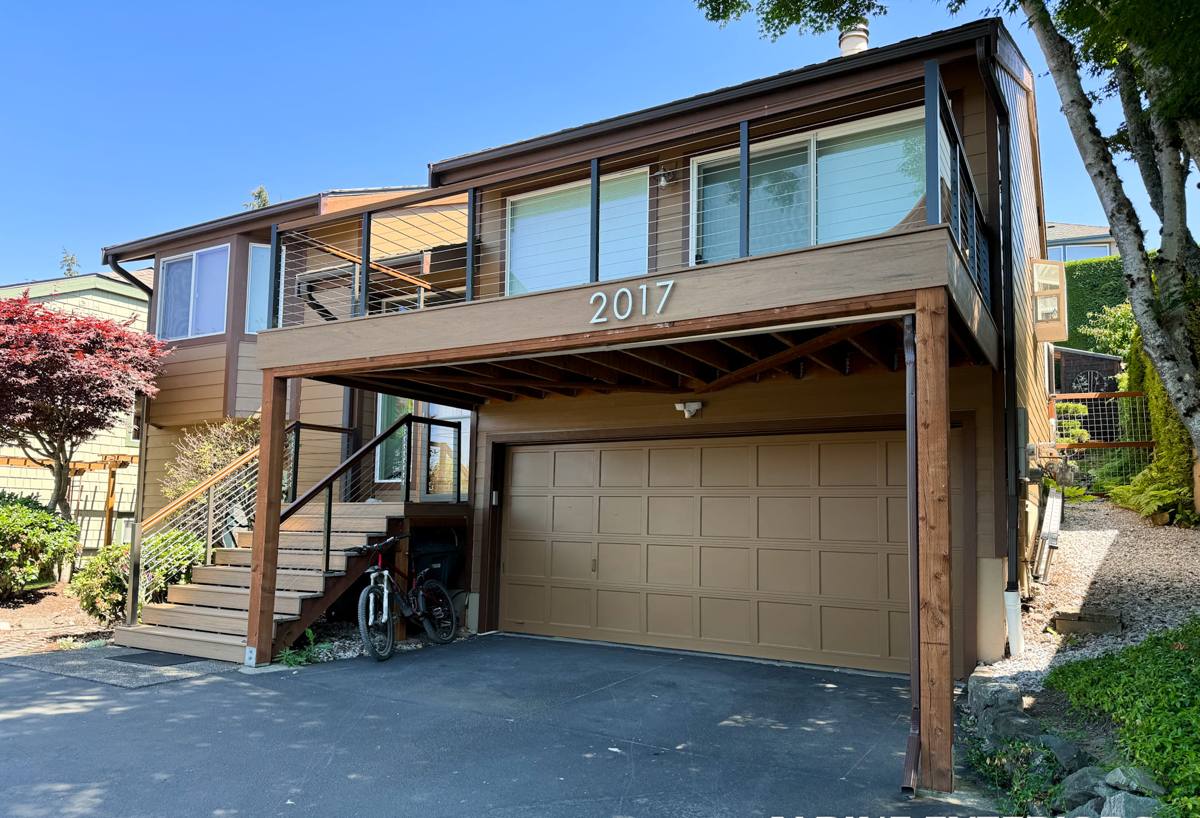
Repair or Replace? Reading the Signs
Not every roof problem means a full replacement, but there's a point where patching stops making financial sense. A few signs we look for when we walk a Kendall roof:
- Granule loss heavy enough that you can see bare asphalt on multiple shingles, not just one or two spots
- Moss or dark algae streaking across a large portion of the roof rather than isolated shaded patches
- Soft or spongy decking felt underfoot during inspection, which usually means water has already reached the wood
- Shingles that are cupping, curling, or cracking across broad areas rather than a localized spot from wind damage
- Daylight visible through the roof deck from inside the attic, or staining on attic framing
- A roof already at or past the manufacturer's expected service life for its material and exposure
If the damage is contained and the roof still has years of life left, a repair is the honest recommendation. If the underlying deck or structure has been compromised, or the roof is old enough that a repair just delays the inevitable, replacement is the more cost-effective path.
Choosing a Roofing System for This Climate
There's no single "best" roofing material — the right choice depends on budget, roof pitch, how much shade the home sits under, and how long you plan to own the property. Here's how the common options stack up for a moisture-heavy, moss-prone area like Kendall:
| Material | Moisture & Moss Resistance | Typical Lifespan | Cost Factor |
|---|---|---|---|
| Architectural asphalt shingles | Good with proper ventilation and algae-resistant granules | 25–30 years | Moderate |
| Standing seam metal | Excellent — sheds water and resists moss buildup | 40–50+ years | Higher upfront |
| Basic 3-tab shingles | Fair — less durable edge and lower algae resistance | 15–20 years | Lowest |
| Wood shake | Poor in shaded, damp settings without diligent upkeep | 20–30 years with maintenance | Higher, plus ongoing maintenance |
We steer most Kendall homeowners away from wood shake unless they're prepared for the maintenance it demands in a shaded, damp setting — it's not that the material is bad, it's that it's unforgiving of the exact conditions common here. Architectural shingles with algae-resistant granules or a standing seam metal roof both handle this climate with far less babysitting.
A Note on Warranties and Product Details
Manufacturer warranties on shingles typically cover material defects, not moss growth or installation errors — that distinction matters more than the number printed on the brochure. A 30-year shingle installed with poor ventilation or inadequate underlayment can fail in a fraction of that time, and the warranty won't cover it. We walk homeowners through what's actually covered before they sign off on a material choice, not after.
What a Correct Roof Replacement Actually Involves
A roof replacement is more than swapping old shingles for new ones. Done right, it includes:
- Full tear-off to bare decking — never a layover on top of existing shingles
- Inspection and repair of any soft, rotted, or delaminated decking before new material goes down
- Ice-and-water shield at eaves, valleys, and roof penetrations where wind-driven rain is most likely to find a way in
- Synthetic underlayment across the full roof for a moisture barrier beneath the shingles
- New flashing at chimneys, skylights, and wall intersections — reused flashing is a common source of leaks that show up months later
- Balanced intake and exhaust ventilation, sized correctly for the attic space
- Proper fastening patterns and nail placement per manufacturer specification, not just "close enough"
Skipping any one of these doesn't always show up right away. It shows up two or three winters later, after the driving rain and shaded moisture have had time to work on the weak point.
Ventilation and Moisture: The Step Homeowners Skip
This is worth calling out on its own because it's the single most common shortcut we see on roofs that fail early. A roof needs balanced airflow — intake at the eaves, exhaust at the ridge — to keep the attic space at roughly outdoor temperature and to let moisture escape rather than condense on the underside of the decking. In a shaded, damp area like Kendall, poor ventilation doesn't just shorten shingle life, it can also encourage rot in the decking itself and create the exact conditions moss thrives in from the underside as well as the top. Getting this right during a replacement costs little compared to the price of re-decking a roof that rotted from the inside out.
Our Roof Replacement Process
1. Inspection and Honest Assessment
We walk the roof, check the decking, attic ventilation, and flashing, and tell you plainly whether you're looking at a repair or a replacement — and why.
2. Material Selection and Estimate
We go over material options suited to your roof's pitch, sun exposure, and budget, with a written estimate that spells out what's included — tear-off, decking repair allowance, underlayment, ventilation work, and disposal.
3. Tear-Off and Deck Prep
Old roofing comes off down to the deck. Any damaged sheathing is replaced before anything new goes down — this is where a rushed job cuts corners that homeowners can't see once the new roof is on.
4. Installation
Underlayment, ice-and-water shield, flashing, ventilation components, and the finish roofing material go on in that order, following manufacturer specifications so warranty coverage stays intact.
5. Cleanup and Walkthrough
Jobsite debris and nails are cleared with a magnetic sweep, and we walk the finished roof with you so you know exactly what was done.
Permits and Timeline in Whatcom County
Most roof replacements in unincorporated Whatcom County, including Kendall, require a building permit, and we handle that paperwork as part of the job rather than leaving it to the homeowner. Timeline depends on roof size and weather — a straightforward single-family roof typically takes a few days once tear-off starts, though we schedule around Whatcom County's wetter stretches to avoid leaving decking exposed longer than necessary.
Why Local Experience Matters for Kendall Homes
A crew that already works in and around Kendall knows what to expect before the tear-off even starts: the tree-shaded roof sections that hold moisture longest, the moss patterns typical of this area, and how the region's driving rain finds its way into weak flashing. That familiarity shortens the inspection, sharpens the estimate, and means fewer surprises once the old roof comes off. It also means faster response if something needs a follow-up look after the job is done — you're not waiting on a crew that has to drive in from well outside the area.
What to Ask Before You Hire a Roofer
- Are you licensed and insured to work in Washington State, and can you provide proof?
- Does your estimate include full tear-off, decking repair, and ventilation work, or are those extra?
- What underlayment and ice-and-water shield will you use, and where will it be installed?
- Who pulls the building permit — you or me?
- What's covered under the manufacturer's warranty versus your own workmanship warranty?
- Can you walk me through how you'll handle ventilation for this specific attic?
A contractor who answers these clearly and without hedging is usually one worth hiring. Vague answers on ventilation or underlayment are a red flag worth taking seriously.
If your Kendall roof is showing its age or you're just not sure whether it's a repair or a replacement situation, we're happy to take a look. Fill out the form below for a free, no-pressure estimate — we'll tell you honestly what we find.