 Lynden Siding
 Windows Built for Nooksack's Weather, Not Just Nooksack's Style
Nooksack sits in one of the wetter corners of Whatcom County, and the homes here show it. Between the marine air that pushes inland off the Sound, the long stretch of driving rain from fall through spring, and a moss season that seems to start earlier every year, windows in this area work harder than they do almost anywhere else in the state. A window that's a good fit for a dry climate on the east side of the mountains is often the wrong choice here, and a window that's poorly installed will show signs of trouble in a Nooksack winter years before it would somewhere drier.
When we talk about custom windows for this area, we mean two things: windows sized and shaped to fit your actual openings and your home's style, and windows and installation details chosen specifically to hold up against this region's moisture, wind-driven rain, and the near-constant dampness that feeds moss and mildew on siding, trim, and sills.
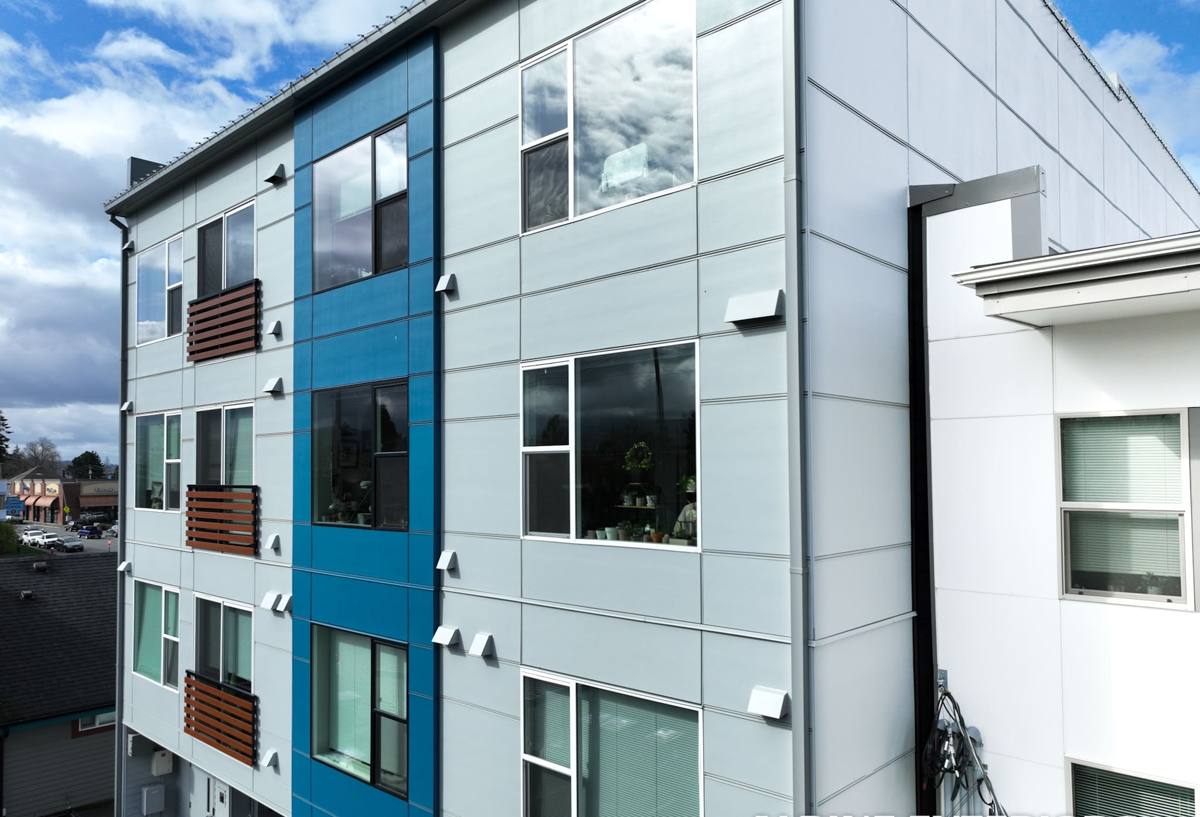
What Local Homes Are Actually Up Against
We see a consistent pattern of problems on Nooksack-area homes, especially older farmhouses, ranch-style homes from the 60s and 70s, and homes with original wood-frame windows that were never properly flashed to begin with:
- Rot at the bottom corners and sill of older wood windows, where water sits longest
- Fogged or failed double-pane glass from broken seals, common once a window passes 20-25 years
- Soft or spongy trim and casing around window openings from years of moisture intrusion
- Moss and dark staining building up on horizontal trim above windows, which usually points to poor drainage rather than just a dirty surface
- Drafts and condensation on interior glass in winter, a sign the window and its seal are no longer doing their job
None of these are cosmetic issues, even when they look minor. Once water finds a way behind a window frame in this climate, it doesn't dry out quickly — the humidity and rainfall totals here just don't allow it. That's why the installation detail matters as much as the window product itself.
Salt Air and Driving Rain
Nooksack isn't right on the water, but this part of Whatcom County still gets marine influence carried inland, along with wind-driven rain that hits window faces at an angle rather than falling straight down. That combination accelerates wear on hardware, finishes, and seals faster than a strictly inland, drier climate would. It's a good reason to avoid cutting corners on materials or flashing details, even on a straightforward replacement.
Choosing the Right Window Material for This Area
There's no single "best" window material for every home — it depends on your budget, your home's style, and how much upkeep you want to take on. Here's how the common options actually perform in a wet, moss-prone climate like ours.
| Material | Moisture Performance | Maintenance | Best Fit |
|---|---|---|---|
| Vinyl | Doesn't rot or absorb moisture; seams and weep holes need to stay clear | Low — occasional cleaning | Most budget-conscious replacements, rental properties |
| Fiberglass | Very stable in wet/dry cycles, resists warping better than vinyl in temperature swings | Low | Homes wanting a longer-term, higher-end replacement |
| Wood (unclad) | Attractive but vulnerable to rot without diligent upkeep in this climate | High — regular painting/sealing | Historic or period-accurate homes where owners accept the upkeep |
| Wood-clad (exterior vinyl/aluminum, wood interior) | Good — exterior cladding shields the wood from rain and moss | Moderate | Homes wanting a wood interior look with less exterior maintenance |
For most Nooksack homes, we steer people toward vinyl or fiberglass on the exterior unless there's a strong design reason to keep painted wood. It's not that wood windows can't work here — it's that they demand a maintenance schedule most homeowners don't keep up with, and this climate doesn't forgive skipped years the way a drier region would.
What a Correct Window Installation Actually Involves
The window itself is maybe half the job. The other half — the part you can't see once we're done — is what determines whether that window is still performing well in fifteen years or causing hidden rot in five. In a climate like this, we treat these steps as non-negotiable:
Sill Pan and Flashing
Every opening gets a sloped sill pan so any water that does get past the window drains back out, not into the wall cavity. Flashing tape goes around the full perimeter, integrated with the house wrap so water sheds downward and outward, layer over layer, the way roofing shingles do.
Air Sealing and Insulation
Gaps around the frame get sealed with the right foam or sealant — not overfilled with rigid foam that can bow the frame, and not left with big voids that let in drafts and moisture-laden air.
Weep Holes and Drainage Paths
Vinyl and fiberglass windows have weep holes designed to let incidental water escape. If these get caulked over or blocked during installation or by later sealing work, water has nowhere to go — this is one of the most common mistakes we find when we're called in to fix another contractor's work.
Exterior Trim and Caulking
Trim gets back-primed or back-sealed before installation, and caulking is applied at the right joints only — sealing everything solid can actually trap moisture instead of keeping it out.
Our Process, Start to Finish
- Free on-site estimate. We look at your existing windows, check for rot or drainage problems around the openings, and talk through material and style options for your home.
- Measure and order. Custom windows are built to your exact openings — no shimming a stock size to fit an odd or older opening.
- Removal and inspection. Once old windows come out, we check the framing and sheathing underneath for hidden rot or moisture damage before anything new goes in.
- Install with full flashing and sealing detail. Sill pans, flashing tape, insulation, and trim are done to the standard described above, not just "window in, caulk around it."
- Walkthrough and cleanup. We check operation on every window, clean up job debris, and answer questions before we call it done.
Custom Sizing for Older and Non-Standard Homes
A lot of the housing stock around Nooksack predates modern standard window sizes, especially farmhouses and older ranch homes. Openings can be slightly out of square after decades of settling, or built to dimensions that don't match anything on a big-box shelf. Custom windows solve this properly — built to the actual opening rather than forcing a standard size to fit with extra trim or packing material that creates new gaps and weak points. This matters more here than in a dry climate, because every gap is a potential entry point for moisture over a long wet season.
Signs It's Time to Replace, Not Just Repair
- Fogging or a visible haze between the panes of a double-pane window — the seal has failed and can't be fixed, only replaced
- Wood that's soft, spongy, or crumbling at the sill or lower corners
- Windows that won't stay open, won't latch, or have become difficult to operate
- Noticeable drafts you can feel with a hand near the frame on a windy day
- Condensation forming on the inside of the glass regularly through the winter
- Visible daylight or gaps around the frame from outside
- Moss or dark streaking on trim just above or below the window, which usually means water is sitting somewhere it shouldn't
If you're only seeing one or two of these and the window is relatively young, a repair or reseal may be enough. If you're seeing several at once, or the windows are original to an older home, replacement is usually the more honest recommendation — and the one that saves money over continuing to patch a failing frame.
Why It Matters to Hire a Crew That Already Works This Area
Window installation isn't identical everywhere. A crew that mostly works drier inland climates can install a technically fine window and still get the flashing and drainage details wrong for a place like Nooksack, where the ground stays saturated for months and moss takes hold on any surface that doesn't shed water well. We work throughout Whatcom County, including Nooksack and the surrounding rural properties around Lynden, and we've seen firsthand what fails here versus what holds up. That local pattern recognition — knowing which older home styles tend to have hidden rot, which orientations take the worst of the driving rain, and how aggressively moss builds up on north-facing trim — shapes how we approach every installation, not just the sales pitch.
Keeping New Windows Performing in a Wet Climate
Even a correctly installed window benefits from a little seasonal attention in this climate:
- Rinse pollen, dirt, and early moss growth off glass and frames a couple times a year
- Check weep holes at the base of the frame periodically to make sure they're clear
- Look at exterior caulking annually and touch up any cracked or separated sections before winter rains set in
- Trim back vegetation or overhanging branches that keep window trim shaded and damp longer than the rest of the house
- Operate each window a few times a season, even ones you rarely open, to keep hardware and weatherstripping working properly
None of this is heavy maintenance — it's the kind of thing that takes an afternoon once or twice a year and adds years to the life of the installation.
Get a Straight Answer on Your Windows
If you're dealing with drafty, foggy, or rotting windows on a Nooksack-area home, we're happy to come take a look and give you an honest read on what's actually going on — repair, replace, or leave alone for now. Reach out for a free, no-pressure estimate using the form below.