 Lynden Siding
 Windows Built for Blaine's Edge of Whatcom County
Blaine sits right at the water, near the Canadian border, and that location changes what a window has to survive. Homes here take a different kind of weathering than properties further inland around Lynden — salt-laden air off the water works on hardware and finishes faster, wind-driven rain tests every seal a window has, and the long, damp moss season in this part of Whatcom County keeps sills, trim, and cladding wet for months at a stretch. Window installation in Blaine isn't just about swapping in new glass. It's about managing moisture and corrosion from the first cut into the wall.
A window that's a perfectly good product somewhere drier can still fail early here if it's installed without accounting for that exposure. That's the gap we focus on closing: the right materials, the right flashing detail, and a install sequence that assumes wind-driven rain and salt air are part of the job, not an exception to it.
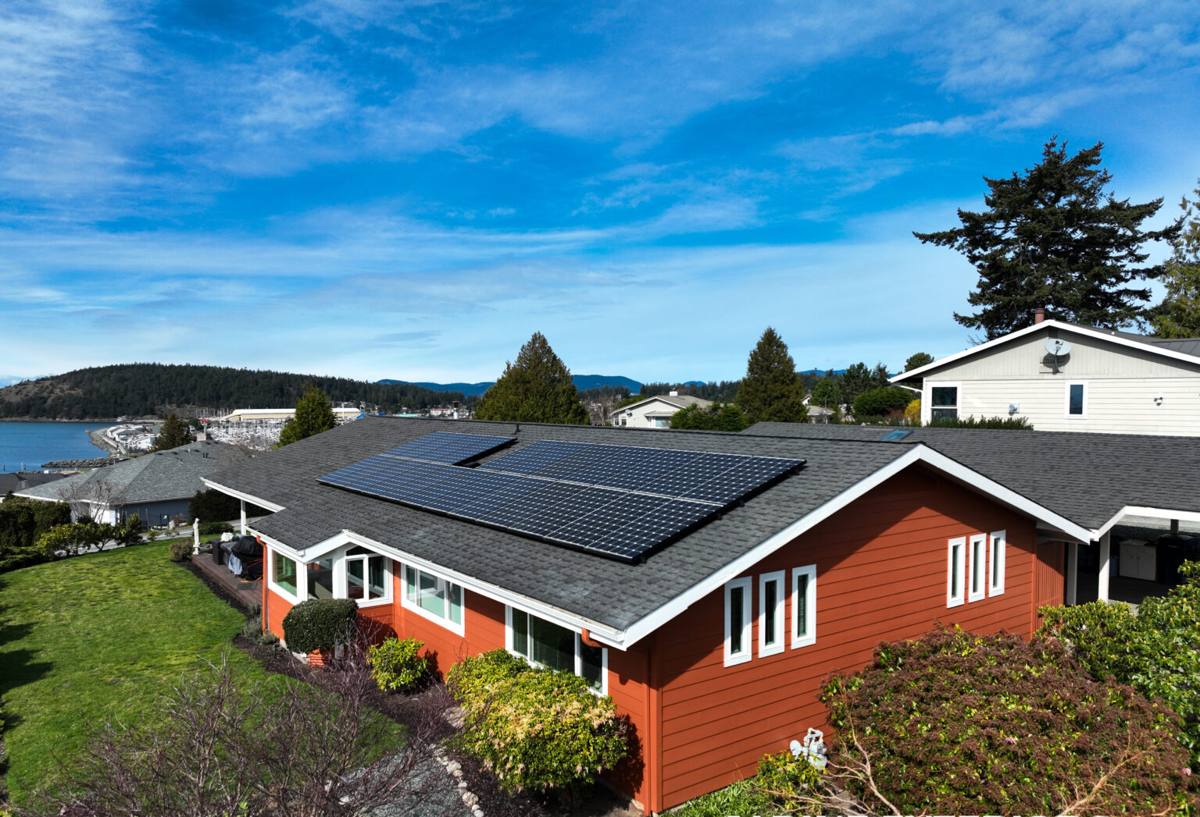
What Salt Air, Driving Rain, and Moss Season Actually Do to a Window
Salt Air and Hardware Corrosion
Airborne salt is corrosive to metal, and it doesn't stay near the shoreline — wind carries it well inland on a regular basis. Window hardware — hinges, locks, balance mechanisms, and screen frames — is often the first thing to show it, with pitting, stiffness, or discoloration showing up years before the window itself is actually done. Cheaper hardware finishes fail faster; this is one of the clearest places where upfront material choice pays off over the life of the window.
Driving Rain and Water Intrusion
Blaine's exposure means rain doesn't just fall straight down — it gets pushed sideways into wall assemblies during storms. A window opening that isn't flashed correctly will let that water find its way behind the siding, where it can sit against sheathing and framing without ever showing an obvious leak indoors until the damage is already done. Water intrusion problems around windows are almost always an installation issue, not a product defect.
Moss Season and Trapped Moisture
Whatcom County's mild, wet stretches from fall through spring keep exterior surfaces damp for long periods, and moss and algae take hold anywhere moisture lingers — including window sills, sashes, and the trim around an opening. On older or poorly sealed windows, trapped moisture under sills or behind trim accelerates wood rot and paint failure well before the glass itself is a problem.
Signs a Blaine Home Needs Window Replacement, Not Just Repair
Not every issue means full replacement, but these are the signs worth taking seriously in this climate:
- Soft, discolored, or spongy trim or sill wood around the window frame
- Fogging or a permanent haze between panes, meaning the seal has failed and insulating gas has escaped
- Windows that are difficult to open, close, or lock, especially after damp weather
- Visible daylight, drafts, or whistling around the sash during windstorms
- Paint or finish that keeps failing on the frame no matter how often it's touched up
- Condensation forming on the interior glass or sill regularly through fall and winter
- Corrosion or white staining on hardware, screens, or aluminum components
- Visible gaps, cracked caulk, or separation between the window frame and siding
What a Correct Window Installation Involves
Removal and Opening Prep
Once the old window is out, the opening gets inspected before anything new goes in. Any soft framing, rot, or existing water staining needs to be addressed at this stage — installing a new window over a compromised opening just hides the problem behind fresh trim.
Flashing and Weather Barrier Integration
This is the step that matters most for a coastal, high-rain climate like Blaine's. Flashing tape and pan flashing need to be layered correctly with the house wrap so that any water that does get behind the siding is directed back out, not trapped against the sheathing. Sill pan flashing at the bottom of the opening is especially important — it's the first line of defense against the kind of driving rain this area sees.
Setting, Shimming, and Sealing
The window has to be set level, plumb, and square, then shimmed and fastened so it can't rack or bind over time. Exterior sealant goes around the perimeter using a product rated for this climate, with attention paid to leaving the correct weep paths open so any incidental water can drain rather than pool.
Interior and Exterior Finish Work
Interior sealing and insulation around the frame stop drafts and moisture from moving through the wall cavity, and exterior trim is finished and sealed to shed water rather than collect it. Small details here — like caulk joints and drip cap orientation — are exactly what separates a window that lasts decades from one that starts failing in a handful of years.
Choosing Window Materials and Glass for a Coastal Whatcom County Home
Material choice matters more here than in a drier, inland climate. The table below reflects how common window frame materials tend to hold up under salt air and constant moisture exposure.
| Frame Material | Salt Air / Corrosion Resistance | Maintenance Needs | Typical Cost Position |
|---|---|---|---|
| Vinyl | Good — won't rust or corrode; hardware quality still matters | Low; occasional cleaning | Lower to mid |
| Fiberglass | Very good — dimensionally stable, resists corrosion and moisture-driven warping | Low | Mid to higher |
| Aluminum-clad wood | Fair to good depending on cladding and hardware finish; interior wood needs protection from moisture | Moderate to higher | Higher |
| Bare aluminum | Poor to fair in salt air without a quality finish; prone to pitting and corrosion over time | Higher | Lower to mid |
Beyond the frame, the glass package matters just as much. Dual-pane windows with a Low-E coating and argon or krypton gas fill are the practical baseline for this region — they cut heat loss through Whatcom County's long shoulder seasons and reduce condensation risk on interior glass. Triple-pane glass adds further insulation value and can help with sound control near busier roads, at added upfront cost. Whatever the glass package, hardware finish and quality deserve real attention here — it's usually the first part of a window to show wear from salt air, regardless of frame material.
Our Window Installation Process in Blaine
- On-site assessment — we look at existing windows, framing condition, and the specific wind and moisture exposure of your home's location
- Product selection — we walk through frame material, glass package, and hardware options suited to your home and budget
- Scheduling around weather — openings are only exposed when conditions allow, minimizing the window of time a wall is open to the elements
- Removal and opening inspection — old units come out and any hidden framing issues are identified before install
- Flashing, sill pan, and weather barrier installation — done to shed water outward, not trap it
- Setting and sealing the new window — leveled, shimmed, fastened, and sealed with climate-appropriate materials
- Interior and exterior finish work — trim, insulation, and final sealing completed and cleaned up
- Final walkthrough — operation, locks, and seals checked with you before we consider the job done
What Affects the Cost of Window Installation in Blaine
Costs vary by home and scope, but the main factors are consistent from project to project:
| Factor | Why It Matters |
|---|---|
| Frame material | Vinyl, fiberglass, and clad-wood options carry different material and installation costs |
| Glass package | Dual-pane vs. triple-pane, Low-E coatings, and gas fills all affect price |
| Opening condition | Rot repair or reframing adds labor beyond a straightforward swap |
| Window size and style | Larger units, custom shapes, and operable styles like casements typically cost more than standard sliders or double-hungs |
| Number of openings | Whole-house projects often see better per-window pricing than one-off replacements |
| Access and site conditions | Upper-story or hard-to-reach openings add labor time and equipment needs |
We don't quote sight-unseen prices online because opening condition varies too much from house to house — but we'll give you a straight, itemized number after an on-site look.
Why a Crew That Already Works Blaine Matters
A lot of window problems in this area trace back to installation that didn't account for the local conditions — flashing details that work fine in a drier climate but leave gaps here, or hardware and finishes that weren't chosen with salt air in mind. Crews who work Blaine and the surrounding Whatcom County coastline regularly build that exposure into every step by default, from how they sequence the flashing to which finishes they steer clients toward.
There's also a practical side: knowing which parts of Blaine catch the worst of the wind off the water, how local building department expectations run, and what's realistic for scheduling around this area's wetter stretches all come from doing the work here repeatedly, not from a manual.
Keeping New Windows Performing Through Whatcom County Winters
Even a well-installed window benefits from basic upkeep in this climate. A simple seasonal routine goes a long way:
- Rinse salt residue and grime off frames and glass a few times a year, especially after storms
- Check and clear weep holes so water can drain instead of pooling on the sill
- Inspect exterior caulk and sealant annually and touch up before gaps widen
- Wipe down and lightly lubricate hardware to slow corrosion from salt air
- Watch for moss or algae buildup on sills and trim and remove it before it holds moisture against the wood
- Keep gutters and downspouts clear so runoff isn't sheeting directly across window openings
If you're weighing window replacement for a home in Blaine or elsewhere around Lynden, we're happy to take a look and walk you through honest options for your specific home — no pressure, no obligation. Use the form below to request a free estimate.