 Lynden Siding
 Window Installation Built for Acme's Climate
Acme sits at the edge of Whatcom County where the valley starts climbing into the foothills, and that location matters more than most homeowners realize when it comes to windows. You get the same driving rain and salt-tinged air that moves through the rest of the Lynden area, but you also get more shade, more standing moisture on north-facing walls, and a longer moss season than homes closer to open ground. Windows here take a beating from two directions at once: wind-driven rain forcing water at the frame, and prolonged damp conditions that never quite let wood, caulk, or old seals fully dry out between storms.
That combination is exactly why window installation in Acme isn't a job you want done with generic techniques borrowed from a drier climate. The window itself matters, but the flashing, the sealant choice, and the order of operations around the rough opening matter just as much — arguably more, since a leak at the frame will ruin a good window just as fast as a bad one.
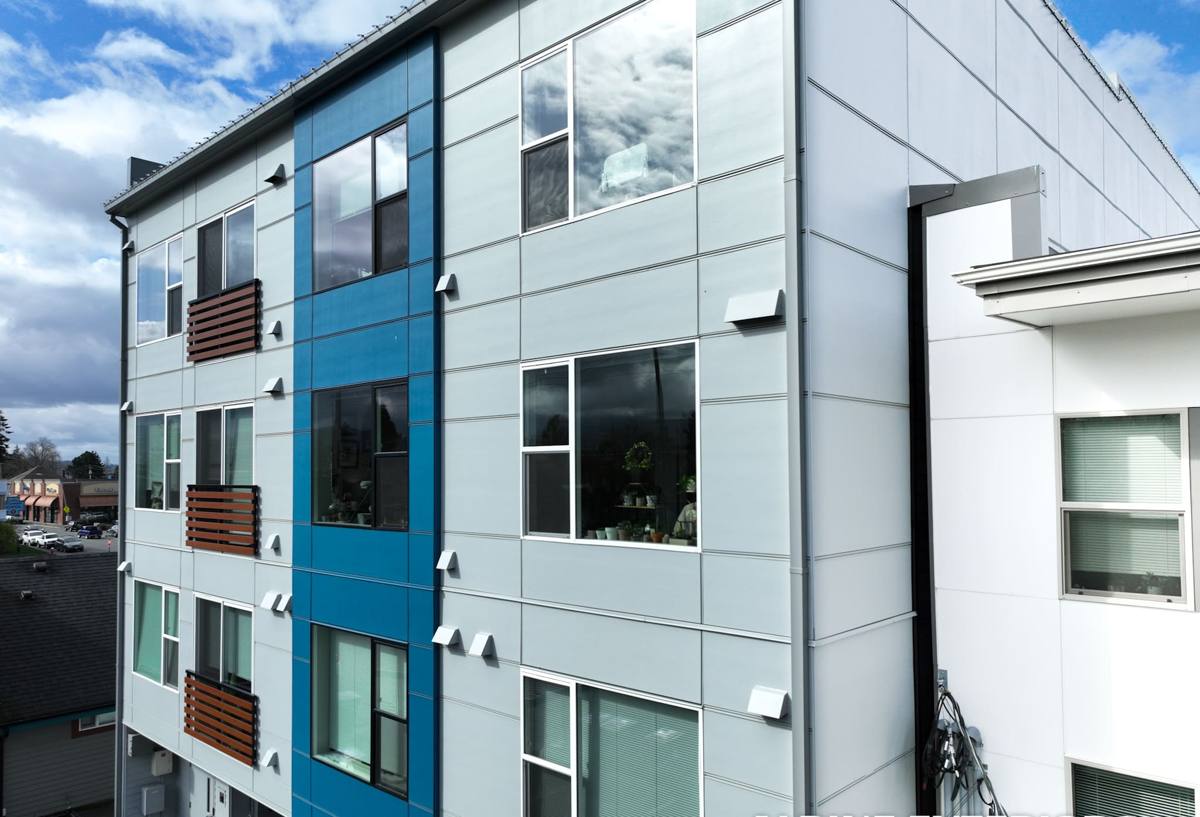
What Whatcom County Weather Does to Windows Over Time
Most window failures we find in this area aren't really about the glass or the sash — they're about water finding a way behind the frame and staying there. A few patterns show up again and again on homes in and around Acme:
- Rot at the sill and bottom corners — the lowest point of any window opening collects the most water, and it's the first place old or poorly installed flashing fails.
- Fogged or failed double-pane glass — once the seal between panes breaks down, moisture gets trapped between the layers permanently. This shows up faster on shaded, damp walls.
- Swollen wood trim and sashes — wood that stays wet longer than it stays dry will eventually swell, stick, and crack paint or caulk lines, opening new entry points for water.
- Moss and algae staining around frames — cosmetic on its own, but it's a sign that a wall isn't drying properly between rains, which is the same condition that causes rot.
- Drafts and condensation on interior sills — often blamed on "old windows" when the real cause is failed weatherstripping or a gap in the original installation, not the window unit itself.
None of these are unique to Acme, but the frequency and speed at which they show up is higher here than in drier parts of the state. A window that might last 25 years with minimal issues in eastern Washington can show real wear in half that time on a shaded, damp wall in this part of the county if it wasn't installed correctly the first time.
Why Shade and Slower Drying Change the Calculus
A lot of window advice online assumes a wall that gets regular sun and dries out between rain events. Homes with more tree cover or north/east exposures — common around Acme — don't get that luxury. Walls stay damp longer, which means any small installation flaw has more time to do damage before it dries out again. This is part of why we pay close attention to drainage planes and weep paths on every job here, not just the window unit itself.
What a Correct Window Installation Actually Involves
"Installing a window" sounds simple, but the parts that determine whether it lasts 10 years or 30 years happen before the window ever goes into the opening. Here's the sequence we follow and why each step matters:
- Remove the old unit and inspect the rough opening. This is where hidden rot, soft sheathing, or old flashing failures get found. Skipping this step just means covering up a problem instead of fixing it.
- Repair or rebuild the opening as needed. Any soft or water-damaged framing gets addressed before a new window goes in — installing a new window over a compromised opening just resets the clock on the same failure.
- Install flashing in the correct order. Sill pan flashing goes in first, then side flashing, then the window, then head flashing last, each layer overlapping the one below it like shingles. This "shingle-lap" order is what actually sheds water instead of trapping it.
- Set the window level, plumb, and square. A window that's slightly out of square will bind, won't seal evenly, and puts uneven stress on the frame that shows up as leaks or operating problems within a few years.
- Seal and insulate the gap around the frame properly. This isn't just caulk around the outside trim — it includes backer rod and sealant at the right points and low-expansion foam or insulation in the gap between the frame and rough opening, so you're not left with a cold, drafty ring around every window.
- Finish the exterior trim and siding tie-in. The interface between the window and the surrounding siding is a common leak point if it's not detailed correctly, especially on lap siding.
Every one of these steps matters more in a climate that stays wet longer. A rushed flashing job might not show a problem in its first year anywhere in the state — but on a shaded Acme wall that stays damp for days after a storm, a shortcut here tends to surface as a real issue within a few seasons rather than a decade.
Choosing the Right Window for This Climate
There's no single "best" window brand or material for every home, and we're not going to pretend otherwise. What matters is matching the frame material, glazing, and installation method to how the home is exposed to weather. A few honest trade-offs worth knowing:
| Frame Material | Strengths | Trade-offs in Wet Climates |
|---|---|---|
| Vinyl | Low maintenance, good insulation, budget-friendly | Can't be repainted; quality varies a lot between manufacturers |
| Fiberglass | Very stable in temperature swings, holds paint well, durable | Higher upfront cost than vinyl |
| Wood (clad exterior) | Classic look, good interior insulation | Exterior cladding must be detailed carefully or moisture reaches the wood core over time |
| Aluminum | Strong, slim sightlines | Poor insulator unless thermally broken; can condensate more in damp, cool conditions |
For most homes in the Acme area, we lean toward vinyl or fiberglass units with good weatherstripping and proven glazing seals, paired with careful flashing work — because in this climate, installation quality closes more of the performance gap than brand name does. A mid-range window installed correctly will consistently outperform a premium window installed carelessly.
Glazing and Glass Options
Double-pane, low-E glass is the standard baseline for this region and makes sense for nearly every home here — it cuts heat loss and reduces condensation risk on interior glass during cold, damp stretches. Triple-pane adds further insulation value but at a real cost premium; it tends to make the most sense on north-facing rooms or homes with higher heating costs, rather than as a default across the whole house.
Signs It's Time to Replace Rather Than Repair
Not every window problem means full replacement. Here's a practical way to think about it:
- Fogging between panes on an otherwise sound frame — often just the sealed unit (the glass itself) needs replacing, not the whole window.
- Sticking or hard-to-operate sashes with a solid frame — sometimes a hardware or balance issue, not a sign the window has failed.
- Soft, spongy, or visibly rotted trim or sill — this points to a water intrusion problem that a new pane of glass won't fix; the frame and possibly the framing behind it need attention.
- Persistent drafts despite good weatherstripping — often points to a poor original installation rather than an old window, which means the fix is in the flashing and sealing, not just the unit.
- Visible daylight or gaps around the frame from outside — a clear sign the seal between window and wall has failed and water is likely already getting behind it.
When we come out to look at a window issue, we'll tell you honestly which category it falls into. A lot of what looks like "the window is bad" is actually an installation or flashing problem that a repair can solve — and we'd rather tell you that than sell an installation you don't need yet.
Our Process for Acme Window Installation Jobs
Because we work throughout the Lynden area regularly, including Acme, our process is built around what actually holds up on the walls and exposures common out here rather than a one-size-fits-all national approach:
- On-site assessment. We look at each opening individually — sun exposure, current condition, drainage, and how water has historically moved around that wall.
- Straightforward recommendation. We'll tell you what actually needs replacing versus repairing, and what window and glazing options make sense for that specific wall and budget.
- Careful removal and opening inspection. We don't cover up hidden rot or old flashing failures — we address them before the new window goes in.
- Proper flashing and sealing sequence. Sill pan, side flashing, head flashing, in that order, with materials suited to sustained damp conditions.
- Clean interior and exterior finish work. Trim, caulking lines, and siding tie-ins finished so the whole assembly sheds water the way it's supposed to.
- Walkthrough. We show you the finished work and how the window operates before we consider the job done.
Why Hiring Local Experience Matters Here
A crew that mostly works drier parts of the state can put in a perfectly good-looking window that still fails early in a spot like Acme, simply because the flashing and sealing details that matter most in sustained wet, shaded conditions aren't the details they're used to prioritizing. Working this area regularly means knowing which walls tend to hold moisture longer, which exposures need extra attention at the sill, and how moss and algae buildup tends to signal a bigger drainage issue before it becomes a rot problem.
It also means being upfront about what your home's specific situation calls for. Not every window on every wall needs the same glazing or the same urgency — a shaded, exposed sill facing prevailing weather is a different priority than a sheltered window under an eave, even on the same house.
Get a Straightforward Estimate
If you're dealing with a drafty window, visible wear around a frame, or you're just planning ahead for a home in the Acme area, we're happy to take a look and give you an honest read on what it needs. There's no pressure and no obligation — just a clear assessment and, if replacement makes sense, a straightforward estimate you can use to plan the work on your own timeline.