 Lynden Siding
 Windows Built for Acme's Weather, Not Just the Showroom
Homes in and around Acme deal with a specific combination of weather that most window brochures don't account for: salt-laden air drifting in off Puget Sound and the surrounding waterways, driving rain that hits siding and glass at an angle instead of falling straight down, and a moss season that stretches for months every year. Any one of these on its own is manageable. Together, they wear down window seals, frames, and hardware faster than in drier parts of the state. If your windows were installed without that in mind, you're probably already paying for it in higher heating bills, fogged glass, or drafts you can feel standing next to the frame.
This page is about one job done right in one place: replacing or upgrading windows for energy efficiency in Acme homes. Not a general overview of window brands, not a sales pitch — just what actually matters for a house in this part of Whatcom County.
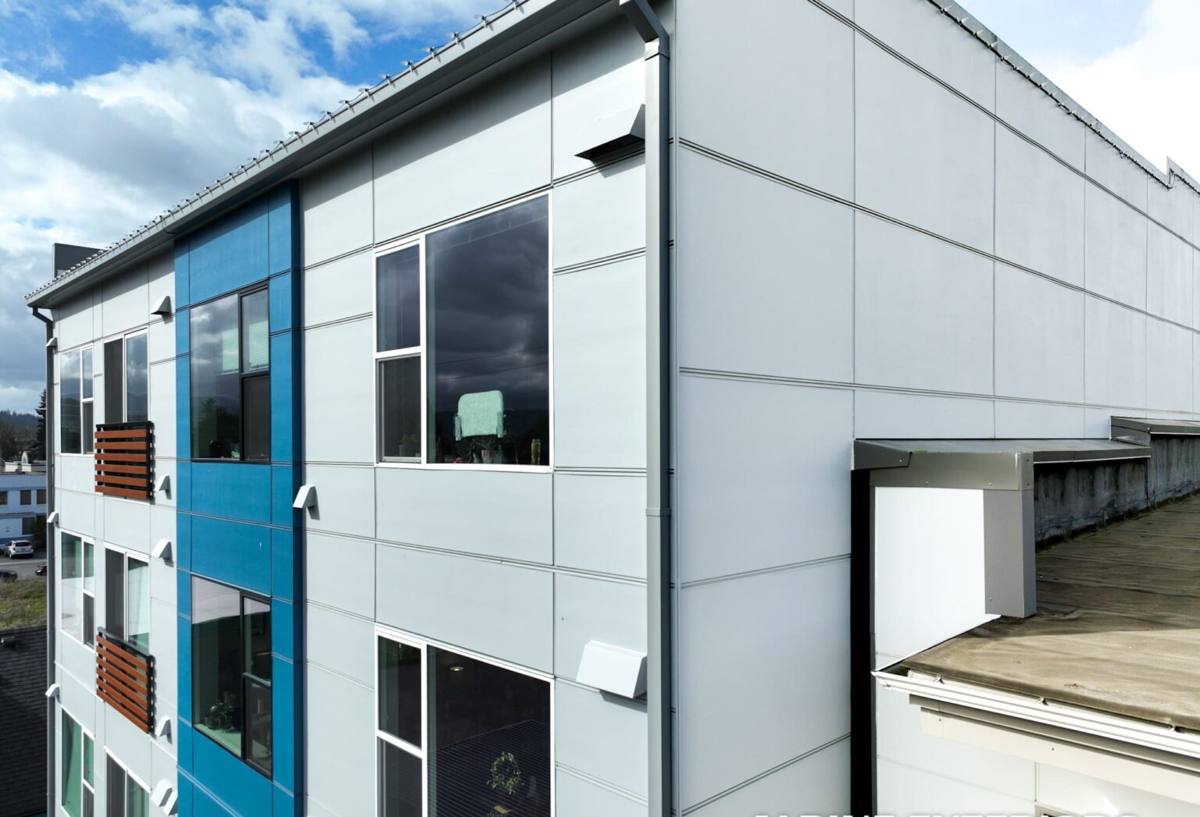
What Whatcom County Weather Does to a Window Over Time
Salt Air and Hardware Corrosion
Salt air doesn't just affect homes right on the water. Wind carries fine salt particles well inland, and over years that moisture-salt combination accelerates corrosion on window hardware — hinges, locks, balance systems, and screen frames in particular. Cheaper hardware finishes wear through faster, and once corrosion starts, a window that used to open and close smoothly starts sticking or failing to latch tight, which is exactly where drafts and energy loss start.
Driving Rain and Water Intrusion
Rain that comes in sideways during a windstorm tests a window's flashing and sealant far more than a vertical downpour does. Water finds its way behind poorly flashed trim or through a sealant joint that's starting to fail, and once moisture gets into the wall cavity around a window, it doesn't dry out quickly in our climate. That's how you get soft trim, stained drywall, or worse, framing rot that isn't visible until it's a real repair.
Moss Season and Sustained Moisture
A long moss season means long stretches of sustained dampness on north-facing walls, sills, and anywhere sunlight doesn't reach for much of the day. Moisture that sits against a window frame for weeks at a time is hard on wood components especially, and it keeps humidity elevated right at the point where indoor and outdoor air meet — which is also where energy loss is easiest to feel as a cold draft or a cold-to-the-touch frame.
Temperature Swings and Seal Fatigue
Whatcom County doesn't get extreme heat, but the daily and seasonal temperature swings still cause window materials to expand and contract. Over years, that cycling is what causes seals to fatigue, insulated glass units to lose their argon fill, and gaskets to compress and stop sealing as tightly as they did when new.
Signs Your Current Windows Are Costing You Energy
- Glass that fogs or shows condensation between the panes (a failed seal on an insulated glass unit)
- Visible daylight or a draft you can feel around the frame with your hand
- Windows that are difficult to open, close, or lock — often a sign of hardware corrosion or frame settling
- Soft or discolored trim and sill areas, which can indicate water intrusion behind the window
- Noticeable temperature difference near the window compared to the rest of the room
- Rooms that are hard to keep comfortable without the furnace or AC running constantly
- Visible moss or dark staining building up on the exterior sill or lower frame
Any one of these on its own might just mean a window needs maintenance. Several at once, especially on windows more than 15-20 years old, usually means it's time to talk about replacement rather than repair.
What a Correct Installation Actually Involves
Energy efficiency in a window isn't just about the glass — it's about the whole assembly working together, and about the installation being done correctly. A high-performance window installed with poor flashing will leak and lose efficiency just as fast as a cheap window. Here's what we treat as non-negotiable on every job:
Proper Flashing and Water Management
Every window opening gets flashed so that any water that does reach the wall cavity is directed back out, not trapped behind the siding. This matters more here than in drier climates, given how much driving rain the area sees.
Air Sealing, Not Just Caulk
The gap between the window frame and the rough opening needs to be properly insulated and air-sealed — not just caulked around the visible trim. A window can have excellent glass and still perform poorly if the installation around it is letting air pass through the wall assembly.
Glass Package Suited to the Exposure
Which side of the house a window faces changes what glass package makes sense. South and west-facing windows deal with more solar heat gain; north-facing windows in a home with a long moss season benefit from glass and frame choices that resist sustained moisture exposure. We factor in orientation, not just a single spec across the whole house.
Hardware Rated for Coastal-Influenced Air
Given the salt air exposure in this region, we favor hardware and finishes with better corrosion resistance rather than the base-grade hardware that ships standard on some window lines.
Frame Material Comparison for This Climate
| Material | Moisture Resistance | Maintenance | Notes for Acme/Lynden Conditions |
|---|---|---|---|
| Vinyl | Good — won't rot, resists moisture well | Low | Solid all-around choice for driving rain and moss-season dampness; consistent performance without ongoing upkeep |
| Fiberglass | Excellent — very stable, minimal expansion/contraction | Low | Holds up well to seal fatigue from temperature swings; higher upfront cost but strong long-term performance |
| Wood / Wood-Clad | Moderate — exterior cladding helps, but any breach exposes wood | Higher | We're careful about where and how these are used here; sustained moisture from moss season is hard on exposed wood over time |
| Aluminum | Poor thermal performance regardless of moisture resistance | Low | Conducts heat and cold too readily for genuine energy efficiency; not something we typically recommend for this climate |
We're not tied to one material for every home. The right choice depends on the specific wall, exposure, and budget — we'll walk through the honest trade-offs rather than pushing whatever we happen to stock.
What Drives the Cost of a Window Project
| Factor | Why It Matters |
|---|---|
| Number and size of windows | The most direct driver of total project cost |
| Frame material | Vinyl, fiberglass, and wood-clad carry different price points and long-term maintenance costs |
| New construction vs. retrofit | Retrofit (insert) installs are typically less invasive and less costly than full-frame replacement |
| Condition of existing framing | Any hidden water damage found once old windows come out adds to the scope |
| Glass package | Low-E coatings, gas fills, and multi-pane options affect both performance and price |
| Trim and finish work | Matching existing interior/exterior trim adds labor time |
We give straightforward, itemized estimates so you can see exactly what you're paying for and where you have options to adjust scope or budget.
Our Process
1. On-Site Assessment
We walk the exterior and interior with you, look at current window condition, note orientation and exposure for each opening, and check for any signs of existing water intrusion around frames.
2. Honest Recommendation
We'll tell you which windows genuinely need replacement, which could be repaired, and what materials and glass packages make sense for your specific home and budget — not the most expensive option by default.
3. Careful Removal and Inspection
When we remove old windows, we inspect the rough opening and surrounding framing for hidden moisture damage before anything new goes in. This is often where a driving-rain climate reveals problems that weren't visible from outside.
4. Correct Installation
Proper flashing, air sealing, and shimming for a square, plumb fit — every time, not just on the jobs someone happens to be checking.
5. Final Walkthrough
We test operation, check seals, and walk the finished work with you before we consider the job done.
Why a Crew That Already Works Acme Matters
Window work in Whatcom County isn't identical to window work in a drier inland region, and it isn't identical to work right on the immediate waterfront either. A crew that regularly works Acme and the surrounding Lynden area has already seen how salt-influenced air, sideways rain, and long damp stretches affect installations locally — which flashing details hold up, which hardware finishes actually last, and which framing issues tend to show up when old windows come out. That familiarity means fewer surprises mid-project and a better match between the product recommended and the conditions it actually has to survive.
Local presence also means we're available for warranty follow-up and service without a long drive, and we're building a reputation in this specific community, not just chasing one-off jobs across the region.
A Simple Checklist Before You Decide
- Check for condensation or fogging between panes on your current windows
- Feel around each frame for drafts on a windy day
- Test that every window opens, closes, and locks smoothly
- Look at exterior sills and trim for soft spots, staining, or moss buildup
- Ask any contractor specifically how they handle flashing and air sealing, not just what glass they use
- Get an itemized estimate that breaks out material, labor, and any trim or finish work
If you're noticing any of these issues, or you just want a clear read on whether your current windows are costing you more than they should, we're happy to take a look. We offer free, no-pressure estimates for Acme and Lynden homeowners — use the form below to get started.