 Lynden Siding
 Roofing in Sumas: Built for This Climate, Not Just Any Climate
A new roof installed in Sumas has to earn its keep against a specific combination of weather: months of steady, driving rain off the Salish Sea weather systems, a moss season that runs longer here than in drier parts of the state, and the salt-tinged air that works its way inland across Whatcom County and slowly degrades unprotected metal fasteners and flashing. None of these factors are dramatic on their own. What they do is compound over years, and a roof that was installed correctly but without those local conditions in mind will show its age faster than it should.
We install new roofs for homeowners throughout Sumas and the surrounding Lynden area, and we approach every job the same way: pick materials and details that actually hold up to this specific climate, not a generic install that would work fine in a drier region but underperforms here.
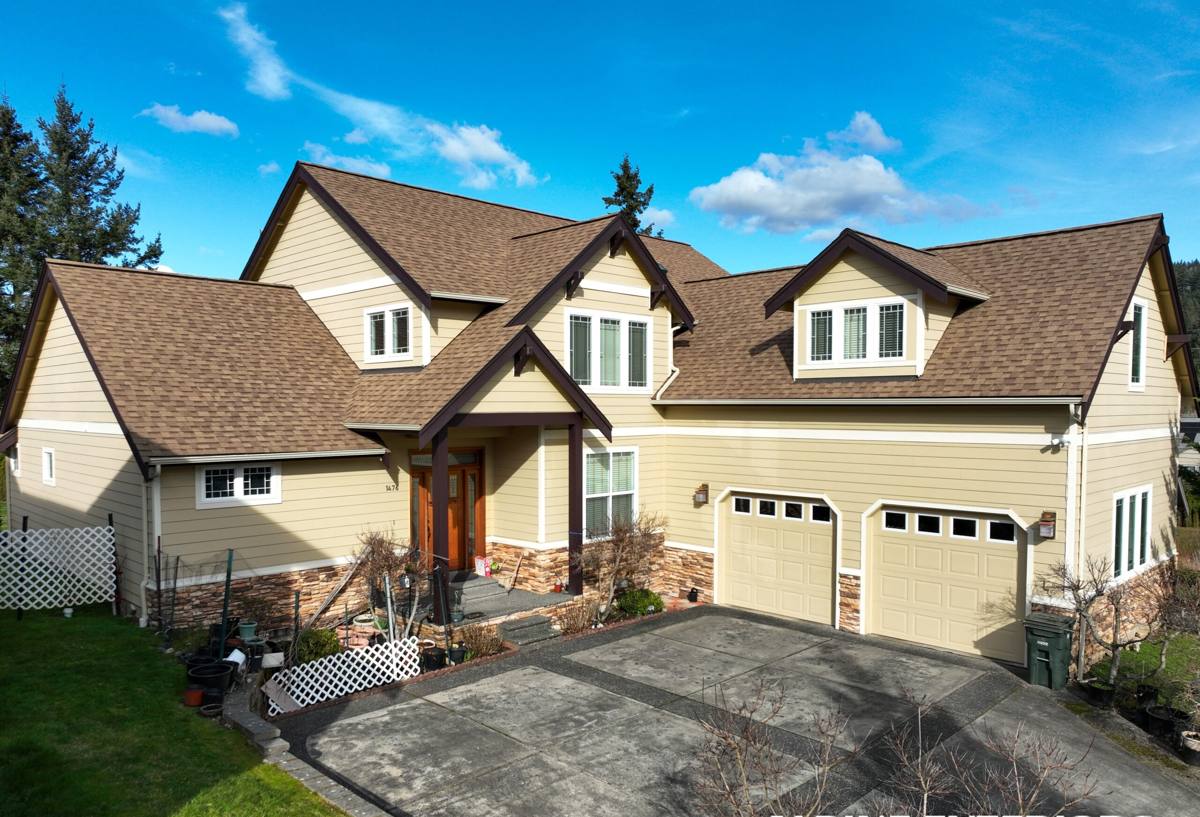
Signs a Sumas Home Actually Needs a New Roof (Not Just a Repair)
Not every roof problem calls for a full replacement, and a straight answer up front saves everyone time. A new roof installation usually makes more sense than another round of patching when you're seeing:
- Shingles that are cracking, curling, or losing granules across large sections rather than one isolated spot
- Repeated leaks in different locations after prior repairs, suggesting the underlayment or decking is failing broadly
- Visible sagging in the roofline, which can point to structural or moisture damage underneath
- Heavy, persistent moss growth that's lifted shingle edges or trapped moisture against the roof deck
- A roof at or past the end of its material's realistic service life, especially if it was installed with minimal ventilation
If your roof is showing one or two of these in isolation, a repair may still be the honest answer. We'll tell you that. A new install is worth the investment when the underlying system, not just the surface, has started to fail.
What a Correct New Roof Installation Actually Involves
The finished shingles are the part everyone sees, but they're maybe a third of what determines how long a roof performs in this climate. The layers underneath do most of the real work.
Tear-Off and Deck Inspection
We remove the existing roofing down to the deck rather than layering over it. That lets us actually see the plywood or OSB underneath and replace any sections that have gone soft from long-term moisture intrusion — something you cannot catch or fix if you install over the old material.
Underlayment and Ice-and-Water Protection
Given how much sustained rain Whatcom County sees, underlayment quality matters more here than in drier climates. We use a synthetic underlayment across the full roof and add self-adhered ice-and-water barrier at the eaves, valleys, and any roof penetrations — the areas where wind-driven rain is most likely to find a way in.
Flashing at Every Transition
Chimneys, skylights, vent pipes, and wall-to-roof transitions are where the vast majority of leaks actually originate, not in the open field of shingles. We install new flashing at every one of these points rather than reusing old metal, since corroded or improperly seated flashing is one of the most common causes of a "mystery leak" a few years after a new roof goes on.
Ventilation
Proper intake and exhaust ventilation keeps the attic space dry and temperature-regulated, which does two things that matter directly in this climate: it reduces the moisture buildup that feeds moss and algae growth, and it extends the life of the shingles themselves by preventing heat and humidity from cooking them from underneath.
Comparing Roofing Materials for a Sumas Home
There isn't a single "best" roofing material for every house — it depends on your budget, your roof's exposure to sun and shade, and how much long-term maintenance you're willing to stay on top of. Here's an honest comparison of the materials we most commonly install in this area:
| Material | Moss & Moisture Resistance | Typical Lifespan | General Cost Range |
|---|---|---|---|
| Architectural asphalt shingle | Good with proper ventilation and periodic cleaning | 25-30 years | $$ |
| Standing seam metal | Excellent — smooth surface sheds moss and debris | 40-50+ years | $$$$ |
| Composite/synthetic shingle | Very good, resists moisture absorption | 30-40 years | $$$ |
| Cedar shake | Requires the most upkeep in a wet, mossy climate | 20-30 years with regular maintenance | $$$ |
We don't push cedar shake as a first recommendation for most Sumas roofs — not because it's a bad product, but because in a climate with this much sustained moisture and moss pressure, it demands a level of ongoing cleaning and maintenance that most homeowners underestimate when they choose it. If you want that look and are prepared for the upkeep, we'll install it correctly. For most homeowners here, architectural asphalt or metal delivers a better balance of appearance, cost, and low-maintenance durability.
How Our Installation Process Works
1. On-Site Assessment
We walk the roof, check the attic for ventilation and moisture signs, and give you a straightforward read on whether you need a full replacement or a targeted repair.
2. Written Estimate
You get a clear, itemized estimate covering materials, tear-off, deck repair contingencies, and labor — no vague lump-sum numbers.
3. Scheduling Around the Weather
Given how much rain this region gets, we plan installations around forecast windows and keep the deck covered any time it's exposed, so an open roof is never left vulnerable overnight.
4. Tear-Off, Repair, and Install
Full removal of old roofing, deck repairs as needed, new underlayment, flashing, ventilation, and the finish material — installed in that order, with each layer inspected before the next goes on.
5. Final Walkthrough
We walk the finished roof with you, cover what maintenance (if any) it needs going forward, and make sure you know exactly what warranty coverage applies to both materials and labor.
Why Hiring a Crew That Already Works in Sumas Matters
Roofing crews that mostly work in drier or more urban parts of Washington don't always default to the ventilation, underlayment, and flashing standards that this specific climate calls for — because in a lot of the state, you can get away with a lighter approach and not see the consequences for years. A crew that regularly works Sumas and the broader Lynden area already knows which details aren't optional here: real ice-and-water coverage at the eaves, ventilation sized for a long wet season, and flashing that accounts for sustained wind-driven rain rather than the occasional shower.
That local familiarity also means fewer surprises during the job itself — knowing what typical deck conditions look like on homes of a given age in this area, and being realistic with you up front about what a tear-off is likely to reveal.
Moss Prevention Starts With the Install, Not the Cleaning
A lot of moss control advice focuses on cleaning and treatment after the fact, but the more effective strategy starts during installation. Proper attic ventilation reduces the trapped moisture that gives moss a foothold in the first place. Roof slope and material choice also matter — smoother, less porous surfaces give moss less to grip onto than rough, absorbent ones. We also install zinc or copper strips near the ridge on request, which release trace metal ions with rainfall that inhibit new moss growth over time. None of this eliminates the need for occasional debris clearing, especially if your property has overhanging trees, but a roof designed with moss pressure in mind needs far less intervention than one that wasn't.
A Simple Pre-Winter Checklist for Homeowners
Whether your roof is brand new or a few years old, these are worth checking before the wet season sets in:
- Clear leaves and debris from valleys and gutters so water has a clean path off the roof
- Look for moss buildup, especially on north-facing slopes that stay shaded and damp longer
- Check attic insulation and ventilation for any signs of trapped moisture or musty odor
- Inspect flashing around chimneys, vents, and skylights for lifted edges or visible gaps
- Confirm downspouts are directing water away from the foundation, not pooling near the roofline
Getting Started
If your roof is showing its age or you just want an honest read on whether repair or replacement makes more sense for your Sumas or Lynden home, we're happy to come take a look. The estimate is free, there's no pressure attached to it, and you'll get a straight answer about what your roof actually needs — use the form below to get in touch.