 Lynden Siding
 Deck Repair Built for Maple Falls Weather
A deck in Maple Falls works harder than a deck almost anywhere else in the country. Whatcom County's weather pattern - long stretches of driving rain, heavy fall and winter moisture, and a moss season that can run eight months or more - doesn't just make a deck look tired. It attacks the structure underneath. Boards cup, fasteners back out, ledger connections wick water, and moss takes hold in the joints where sun never quite reaches. By the time most homeowners notice a problem on the surface, the damage below has usually been building for a season or two already.
We repair decks for homes throughout the Lynden and Maple Falls area, and the pattern is consistent: the decks that fail early are almost always the ones where drainage, ventilation, or fastener choice was wrong from the start. The decks that last are the ones built and repaired with this specific climate in mind, not a generic national spec sheet.
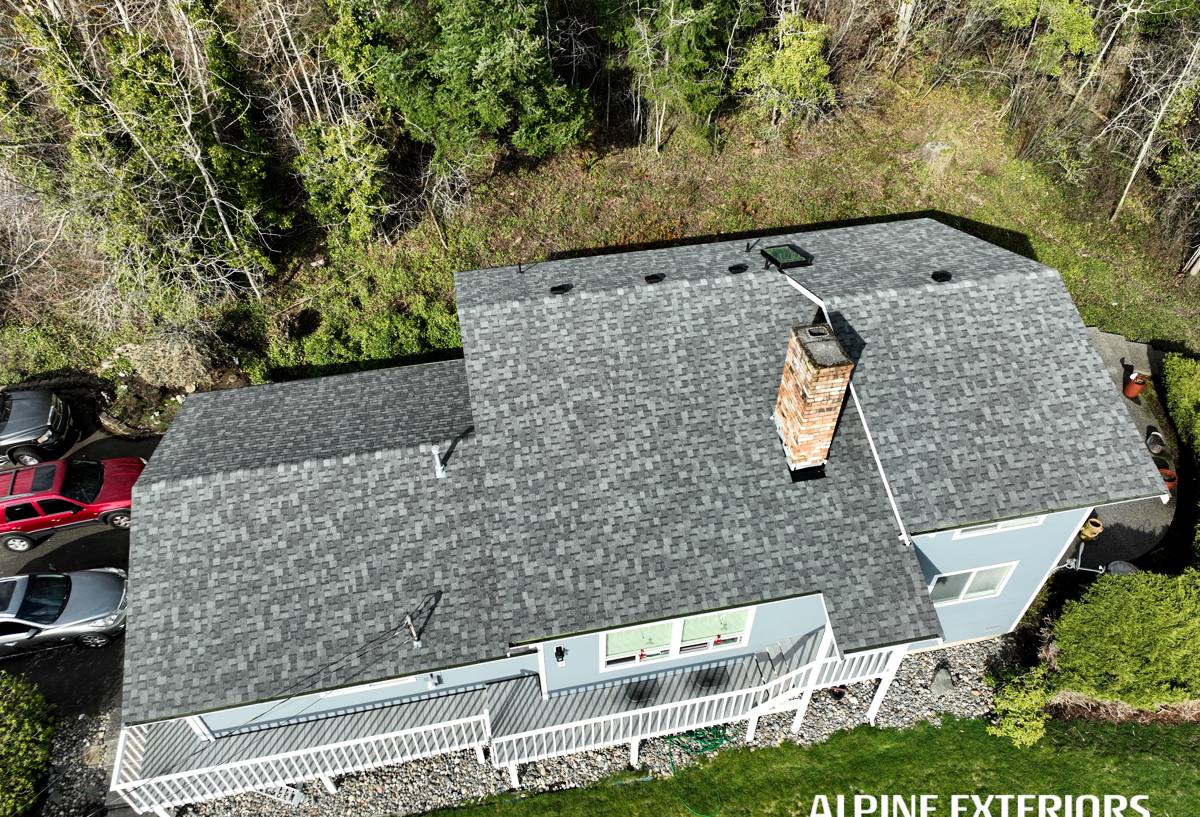
What Maple Falls Decks Are Up Against
Moisture That Doesn't Let Up
In many parts of the country, a deck gets a hard rain, then days of sun and low humidity to dry out. That's not the rhythm here. Whatcom County sees extended damp stretches where wood, fasteners, and framing stay wet for days at a time. Untreated or poorly sealed wood absorbs that moisture, swells, and eventually splits or rots. Metal connectors and fasteners that aren't rated for wet exposure corrode from the inside out, often well before any staining shows on the surface.
Moss and Organic Growth
Moss doesn't just grow on roofs. On a deck, it takes hold anywhere moisture sits and sunlight is limited - board seams, the underside of railings, north-facing corners, and especially the gaps between deck boards where debris collects. Moss holds water against the wood far longer than open air ever would, which accelerates rot at exactly the spots hardest to inspect without getting down on your hands and knees.
Marine-Influenced Weather Swings
The weather systems that move through this part of Washington bring damp, salt-tinged air off the coast combined with cooler inland temperatures. That mix is hard on any exposed fastener or connector that isn't corrosion-resistant, and it's part of why we don't treat every repair the same way we would for a dry-climate deck.
Signs Your Deck Needs Repair, Not Just Cleaning
- Boards that feel spongy, springy, or soft underfoot, especially near the house or stair landings
- Visible gaps opening up around fasteners, or screw heads sitting proud of the board surface
- Dark staining or discoloration that doesn't lift with a wash - often a sign of trapped moisture, not just dirt
- Moss or algae that returns within weeks of cleaning
- Railings or stair stringers that feel loose or flex more than they should
- Rust streaks bleeding from fasteners or metal brackets
- A ledger board (where the deck meets the house) that shows any gap, staining, or soft wood
- Standing water that doesn't drain within an hour or two after rain stops
Any one of these on its own might be minor. Two or three together usually means the repair needs to go past the surface and into the framing or fasteners underneath.
What a Correct Deck Repair Actually Involves
A repair that only replaces what's visibly broken tends to fail again within a season or two, because it leaves the underlying cause untouched. Our approach starts below the decking, not on top of it.
1. Structural Inspection First
Before any board comes off, we check the ledger connection, the posts and footings, and the joists for soft spots, rot, or corrosion. This is the part of the deck most homeowners never see, and it's also the part that matters most for safety. A deck can look fine on the surface and still have a compromised ledger or joist underneath.
2. Address the Cause of the Damage
If boards failed because of poor drainage, we fix the drainage - not just the boards. If fasteners corroded because they weren't rated for this climate, we replace them with hardware that is. Repairing the symptom without correcting the cause is the single biggest reason deck repairs don't hold up in Whatcom County weather.
3. Selective Replacement, Not Automatic Full Rebuild
Not every repair needs a full deck replacement. Where the framing is sound, we can often replace individual boards, sections, railings, or stair components and leave the structurally healthy parts alone. Where rot has spread into the framing, we'll tell you honestly - a partial repair on failing structure isn't a service worth doing, it's just a delay.
4. Fastener and Hardware Upgrades
Many older decks were built with fasteners and connectors that weren't specified for a wet, marine-influenced climate. During repair, we typically upgrade to corrosion-resistant fasteners and structural connectors, even in sections where the wood itself is fine. It's a small cost difference that has an outsized effect on how long the repair lasts.
5. Ventilation and Drainage Correction
Where we can, we improve airflow underneath the deck and correct drainage paths so water moves off and away instead of pooling against framing. This is often the difference between a repair that lasts five years and one that lasts fifteen.
Repair Options and What They're Best For
| Repair Type | Best For | What's Involved |
|---|---|---|
| Board Replacement | Isolated cupping, splitting, or soft boards with sound framing underneath | Remove and replace affected boards; inspect joists beneath before closing back up |
| Ledger Repair | Water intrusion where the deck meets the house | Remove decking near the house, correct flashing and fastening, verify no rot has reached the rim joist |
| Railing and Stair Repair | Loose, wobbly, or corroded railings and stringers | Re-secure or rebuild with corrosion-resistant hardware; check post connections |
| Framing and Joist Repair | Soft or rotted structural members found during inspection | Sister or replace affected framing; correct the moisture source before closing the deck back up |
| Full Deck Rebuild | Widespread rot, undersized original framing, or a deck past the point where repair makes sense | Full teardown and rebuild to current structural standards |
Cost Factors Worth Understanding
We won't quote a number without seeing the deck, but the honest range on any repair depends on a handful of factors:
| Factor | Why It Matters |
|---|---|
| Extent of hidden framing damage | Surface repairs are inexpensive; structural rot found underneath changes the scope significantly |
| Decking material | Wood, composite, and older pressure-treated boards each have different repair and matching costs |
| Access and deck height | Elevated decks or limited underside access add labor time |
| Fastener and hardware upgrades | Corrosion-resistant hardware costs more upfront but avoids repeat repairs |
| Age and original build quality | Decks built to older or minimal code often need more correction, not just replacement |
As a broad guideline, small board and railing repairs are the least expensive category of deck work, ledger and framing repairs sit in the middle, and a full rebuild is a larger investment - but one that's sometimes the more honest recommendation than repeatedly patching a deck whose framing is already compromised.
Our Process, Start to Finish
- On-site inspection. We look at the deck surface, the ledger, the framing where accessible, and the drainage around the deck footprint.
- Honest scope and estimate. We tell you what actually needs to happen - not the most expensive option, and not a patch that won't hold up through another wet season.
- Repair with climate-appropriate materials. Fasteners, flashing, and hardware are chosen for Whatcom County's moisture exposure, not a generic spec.
- Cause correction. Drainage, ventilation, or flashing issues that caused the original damage get fixed alongside the repair itself.
- Final walkthrough. We check fasteners, railings, and stair connections are solid before we consider the job done.
Why Local Experience Matters for This Job
A deck repair crew that mostly works dry-climate jobs will often default to standard hardware and standard assumptions about how long wood can sit wet before it matters. That approach doesn't hold up in Maple Falls or anywhere else in Whatcom County. Working this area regularly means knowing which fastener grades actually last through a Pacific Northwest winter, which framing details tend to trap moisture in local deck designs, and how aggressive the moss season really gets in shaded, low-airflow areas common to this region's lots.
It also means being straight with homeowners about what's worth repairing and what isn't. Not every deck needs a rebuild, and not every soft board means the whole structure is compromised - but figuring out which is which takes an honest inspection, not a sales pitch.
Get a Free, No-Pressure Estimate
If your deck in Maple Falls is showing soft spots, recurring moss, loose railings, or staining that won't wash away, it's worth getting an honest look before another wet season adds to the damage. We'll inspect the deck, tell you plainly what we find, and give you a straightforward estimate with no pressure to act on it right away. Use the form below to request your free estimate.