 Lynden Siding
 Why Laurel Homes Wear Out Siding Differently
Laurel sits in the stretch of Whatcom County between Lynden and Bellingham Bay, close enough to the water that homes here deal with a mix of weather most inland Washington neighborhoods never see. Salt-laden air drifts in off the bay, driving rain comes through sideways during winter storms, and the shaded, damp lots common in this area feed a moss season that can run most of the year. Siding here isn't just cladding — it's the first line of defense against three separate stresses working on the house at once.
When we're called out to a Laurel home for a siding estimate, we're usually looking at one of three failure patterns: swollen or delaminating panels from moisture intrusion behind the siding, chalky or faded paint film from UV and salt exposure, or moss and algae staining that's crept up from the ground or down from the roofline. Understanding which of these is driving the replacement decision changes how we approach the job — and it's why a generic siding quote often misses what a Laurel property actually needs.
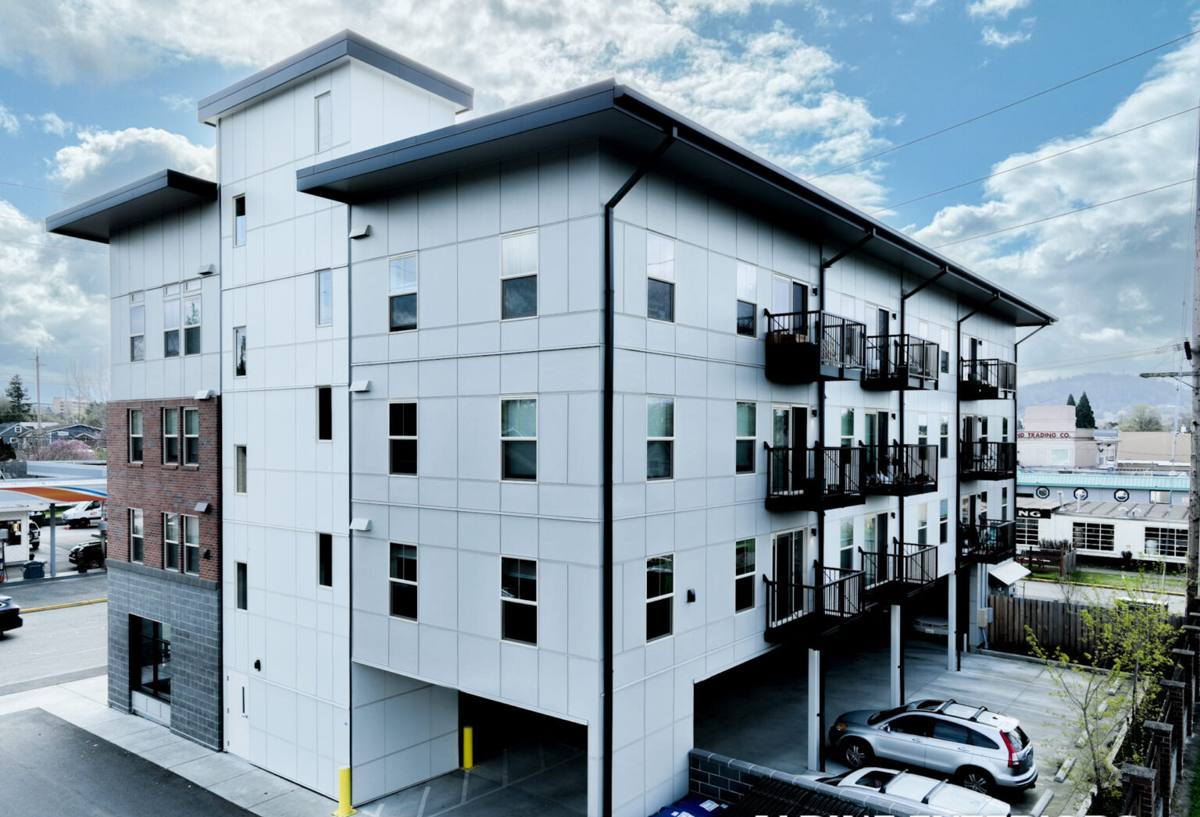
What Salt Air and Driving Rain Do to Siding Over Time
Salt Air
Proximity to Bellingham Bay means airborne salt settles on exterior surfaces and accelerates corrosion of fasteners, flashing, and any exposed metal trim. On wood-based or engineered wood siding, that moisture-salt combination speeds up edge swelling wherever a cut end or seam isn't fully sealed. Paint films also break down faster under salt exposure, so a coating rated for a dry inland climate often underperforms here.
Driving Rain
Whatcom County storms frequently bring wind-driven rain rather than straight-down rain, which pushes water sideways into laps, seams, and penetrations that a calmer climate wouldn's stress. This is where installation detail matters more than the siding product itself — house wrap, flashing, and lap sequencing all have to be built to shed water that's being forced horizontally, not just falling vertically.
Moss Season
Laurel's tree cover and damp shaded lots mean moss and algae have a long growing window. Left unaddressed, moss holds moisture against the siding surface for extended periods, which is exactly the condition that causes rot in wood-based products and staining or granule loss in others. Moss control is as much about siding choice and ventilation as it is about periodic cleaning.
Signs a Laurel Home Needs Siding Replacement, Not Just Repair
- Soft or spongy spots when you press on the siding, especially near the bottom courses and around windows
- Visible swelling, bubbling, or delamination at panel seams or cut edges
- Paint that's chalking heavily, peeling in sheets, or failing to hold a fresh coat
- Persistent moss or dark streaking that returns within months of cleaning
- Warping or cupping panels that no longer sit flat against the wall
- Interior signs — musty smells, damp drywall, or peeling interior paint on exterior walls — that point to moisture getting through
- Visible gaps at trim, corners, or window flashing where water has an entry path
Any one of these can sometimes be spot-repaired. Multiple signs together, especially combined with the age of the siding, usually mean the underlying material and water management system are failing as a whole — patching one section just moves the problem to the next.
What a Correct Siding Replacement Job Involves
A proper replacement is not simply pulling off old panels and nailing up new ones. For a Laurel property dealing with salt exposure and wind-driven rain, the sequence matters:
- Full tear-off and substrate inspection — checking sheathing for rot or soft spots that need to be addressed before anything new goes up
- House wrap or weather-resistive barrier replacement — old wrap is often compromised by the time siding fails, and it's the layer actually stopping bulk water
- Flashing at every penetration — windows, doors, hose bibs, vents, and any wall penetration needs correctly lapped flashing, not just caulk
- Correct fastener selection — corrosion-resistant fasteners matter more here than in drier inland areas, given the salt air
- Proper lap and gap details — following manufacturer clearance specs at the ground, roofline, and trim so water has somewhere to go instead of pooling
- Factory-finished panel installation — installed to the manufacturer's exact nailing and clearance pattern, which is what the warranty is actually contingent on
Skipping any one of these steps is how a siding job that looks fine in year one develops the same rot or moisture problems five years later.
Why We Install Only James Hardie Fiber Cement
We stopped installing vinyl, LP SmartSide, cedar, primed spruce, and other fiber cement brands because we kept seeing the same climate-driven failures repeat on homes in this part of Whatcom County. Vinyl can warp and doesn't hold up well against sustained wind-driven rain intrusion at seams. Wood-based and engineered wood products are vulnerable to the exact moisture-and-edge-swelling pattern that salt air and long wet seasons create, even with good maintenance. Other fiber cement brands may perform reasonably, but we standardized on one manufacturer so we can guarantee installation to spec and back it with a consistent, transferable warranty.
James Hardie fiber cement is non-combustible, engineered specifically for wet Pacific Northwest climates through its HZ5 product line, and finished with a factory-applied ColorPlus coating that's formulated to resist fading and chalking better than field-applied paint — a real advantage against the salt air and UV exposure Laurel homes face. It doesn't feed moss growth the way wood-based products can, and it holds its shape under repeated wet-dry cycles instead of swelling or cupping.
Comparing Siding Materials for a Laurel Climate
| Material | Moisture/Salt Resistance | Moss Susceptibility | Finish Longevity |
|---|---|---|---|
| James Hardie Fiber Cement (HZ5) | Engineered for wet climates, non-combustible | Low — doesn't feed organic growth | Factory ColorPlus finish, long fade resistance |
| Vinyl | Can warp under sustained wind-driven rain and heat cycling | Moderate — surface can trap grime | Color molded in, but fades and becomes brittle over time |
| LP SmartSide / Engineered Wood | Vulnerable to edge swelling if seams aren't perfectly sealed | Moderate to high if moisture sits against surface | Field or factory paint, needs recoating over time |
| Cedar / Primed Spruce | Absorbs moisture readily, needs diligent upkeep | High — natural wood feeds moss and algae | Requires regular refinishing to hold appearance |
Our Process for Laurel Siding Replacement Projects
We walk every Laurel property the same way, because the site conditions here are consistent enough to plan for:
- On-site inspection of current siding, trim, and any visible moisture or moss damage
- Check of sheathing condition at accessible problem areas before quoting
- Assessment of shaded or damp wall sections that will need moss-resistant detailing and possibly adjusted ventilation
- Review of flashing at windows, doors, and roof-wall intersections
- Written estimate covering material, tear-off, substrate repair if needed, and installation timeline
- Full tear-off, wrap replacement, flashing, and Hardie installation to manufacturer nailing and clearance specs
- Final walkthrough covering warranty registration and basic care
Cost Factors for Siding Replacement in This Area
Every home is different, but a few factors consistently move the price on Laurel jobs more than they would on a drier, more sheltered lot:
| Factor | Why It Affects Cost Here |
|---|---|
| Substrate condition | Homes with moisture-related sheathing damage need repair before new siding goes on |
| Wall exposure | Sides facing prevailing wind and rain often need more careful flashing detail |
| Trim and penetration count | More windows, vents, and fixtures mean more flashing points to detail correctly |
| Existing moss or algae buildup | Heavier buildup may require additional prep or treatment before tear-off |
| Home size and stories | Standard cost driver, but access on shaded, multi-story homes can add time |
We give straightforward written estimates after a walkthrough — no inflated numbers to pad room for a "discount," and no surprise change orders for conditions we should have caught during inspection.
Why Hiring a Crew That Already Works Laurel Matters
A crew that only occasionally works this stretch of Whatcom County may not immediately recognize a moisture problem that's specific to the local combination of salt exposure, shade, and rain direction. Crews familiar with Laurel and the greater Lynden area know which wall orientations tend to take the worst weather, which lots hold moisture longest, and how to sequence a tear-off around the wetter months without leaving a house exposed. That familiarity shows up in fewer callbacks and a job that's built for the conditions it will actually face, not just a generic install.
Maintaining Your New Siding in a Laurel Climate
Even with a durable, correctly installed fiber cement system, a little seasonal attention keeps things performing well:
- Rinse siding annually to clear salt residue and organic buildup before it sets into staining
- Keep gutters clear so overflow doesn't run down and pool against the bottom courses
- Trim back vegetation and tree cover where practical to reduce shade-driven moss growth
- Inspect caulking at trim and penetrations yearly, since these are the first points where wind-driven rain finds a way in
- Address any impact damage or chipped finish promptly rather than letting it sit through a wet winter
If your Laurel-area home is showing signs of siding wear, or you're planning ahead for a replacement, we're happy to walk the property and give you a straightforward, no-pressure estimate — just fill out the form below.