 Lynden Siding
 Deck Repair Built for Kendall's Climate
Kendall sits in the part of Whatcom County where the weather doesn't do decks any favors. Long wet seasons, driving rain that comes in sideways off the foothills, and moisture-laden air that lingers for months at a time all add up to conditions that push wood, fasteners, and framing harder than most homeowners realize. Add in the moss and algae that take hold on any shaded or north-facing deck surface, and you've got a structure that's under constant low-grade attack even when it looks fine from the porch door.
A deck that was built solid ten or fifteen years ago can still develop hidden rot, loose framing connections, or failing fasteners well before the surface boards show obvious damage. Deck repair in this area isn't just about swapping a cracked board — it's about understanding how Pacific Northwest moisture moves through a structure and where it does the most damage first.
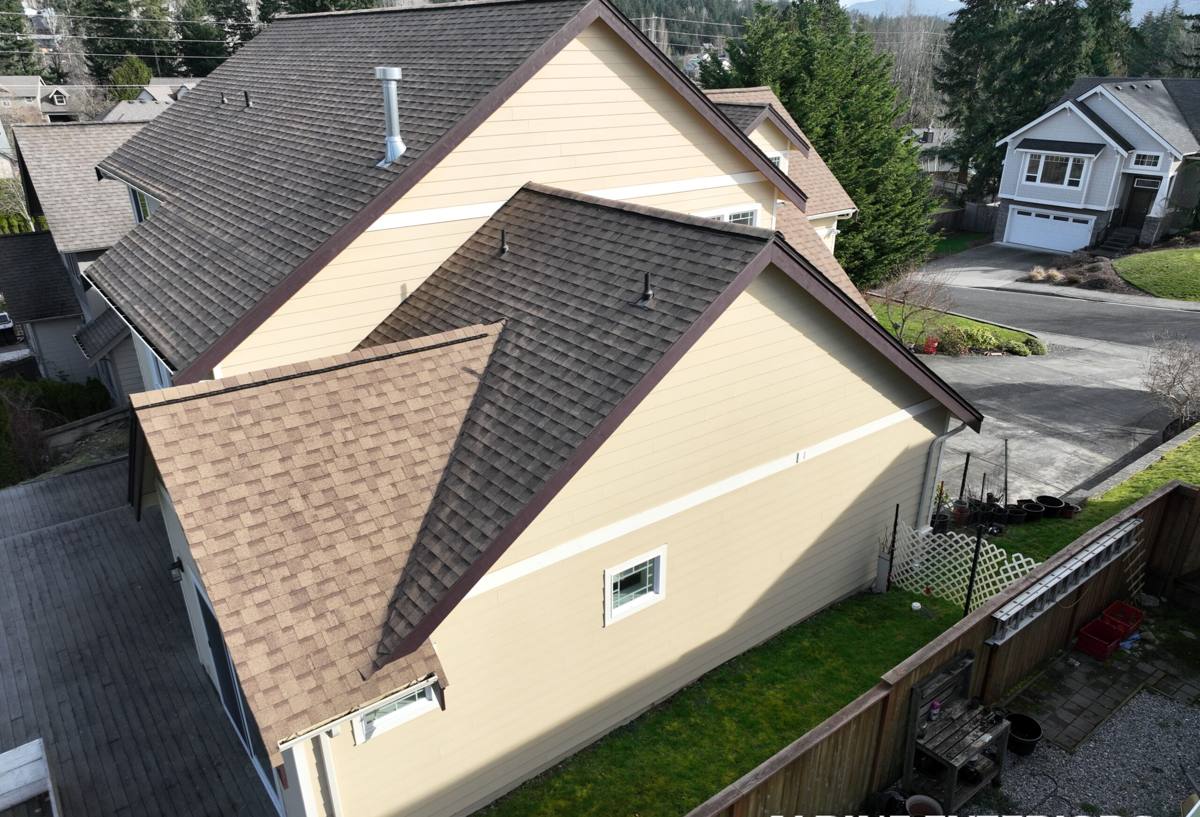
What Actually Fails on a Kendall-Area Deck
Most of the repair calls we see in and around Lynden fall into a handful of predictable categories. Knowing which one you're dealing with matters, because the fix — and the cost — is very different for a cosmetic board replacement versus a structural repair.
Ledger board and house connection
The ledger board — where the deck attaches to the house — is the single most common source of serious deck failure anywhere in western Washington. If flashing was skipped or installed wrong at the time of construction, water gets trapped between the ledger and the siding and rots the framing from the inside out. This is often invisible until the deck starts to feel spongy or pulls slightly away from the house.
Joists, beams, and post bases
Underneath the decking, joists and beams take on splash-back moisture and standing water where drainage is poor. Post bases sitting in or near soil, or ones without a proper standoff, wick moisture up into the post itself. Once rot sets into a structural member, it's not a surface fix — that piece needs to be sistered, reinforced, or replaced outright.
Decking boards and fasteners
Wood decking cups, splits, and checks as it goes through repeated wet-dry cycles all winter and spring. Old nails back out as the wood moves; even screws can shear or corrode over enough seasons. This is usually the most visible damage and the easiest to point to, but it's rarely the only issue — we always check what's underneath before recommending just a board swap.
Railings and stairs
Guardrail posts and stair stringers see constant hand contact, foot traffic, and weather exposure at the same time. A wobbly railing post is a safety issue, not just cosmetic, and it's one of the most common items we find during a repair inspection that the homeowner didn't call about.
Repair or Replace? How We Make the Call
Not every problem deck needs to come down. But a repair that only addresses what's visible, without checking the framing underneath, doesn't actually solve anything — it just delays the same conversation a year or two later. Our approach is to open up the suspect areas, probe the wood, and give you a straight answer on scope before any work starts.
| Condition | Usually Repairable | Usually Needs Replacement |
|---|---|---|
| Surface graying, minor splinter/checking | Yes — clean, sand, refinish | — |
| A few soft or cracked boards | Yes — spot board replacement | — |
| Loose railing posts | Yes — reinforce or re-anchor | Only if post base itself is rotted through |
| Isolated joist rot near one area | Yes — sister or replace affected joists | — |
| Rotted ledger board connection | Sometimes — depends on extent | Often, if rot has spread into rim joist |
| Widespread framing rot, multiple systems failing | — | Yes — full rebuild is more cost-effective |
| Structure older than 20-25 years with recurring issues | Case by case | Often, once repair cost approaches rebuild cost |
As a general rule, if the framing is sound and the damage is contained to a section, repair is the right call and the more economical one. If we find rot has traveled through multiple structural members, we'll tell you honestly when a rebuild makes more sense than chasing repairs piece by piece.
Our Deck Repair Process
Every job starts the same way, whether the request is "one soft board" or "the whole thing feels unsafe."
1. On-site inspection
We walk the full deck, probe suspect boards and framing with an awl, and check the ledger connection, post bases, and railing anchors. This is where most hidden problems get found — not from the top, but from underneath and at the connection points.
2. Scope and estimate
You get a clear breakdown of what's cosmetic, what's structural, and what we recommend addressing now versus what can reasonably wait. No pressure to replace more than what's actually failing.
3. Structural repair first
Any rot in framing, ledger flashing, or post connections gets corrected before we touch the surface. Repairing boards over a compromised structure just hides the real problem.
4. Decking, fastening, and finish work
Damaged boards are replaced and properly fastened, railings are re-secured to code, and any exposed wood gets sealed or finished to shed water going forward.
5. Walkthrough
We go over what was repaired, what to watch, and a realistic maintenance schedule so the same issues don't creep back in a few seasons from now.
Materials and Fasteners We Use
Material choice matters more in this climate than in drier parts of the state. We use pressure-treated framing lumber rated for ground contact where it's in play, corrosion-resistant structural screws or hot-dipped galvanized fasteners rather than standard nails, and self-adhering flashing tape at ledger and joist connections to keep water out of end grain and fastener holes — the two places rot starts fastest.
For decking surfaces, we'll repair in kind with wood when that matches the existing deck, or discuss composite decking for sections that see the most weather exposure. Composite isn't automatically the right call for every repair — it has its own installation requirements and doesn't always match an older wood deck cleanly — but for high-moisture, high-shade areas it can reduce the rot and refinishing cycle considerably. We'll walk you through the real trade-offs for your specific deck rather than pushing one material across the board.
Signs Your Kendall Deck Needs Repair Now
- Boards that feel soft, spongy, or flex noticeably underfoot
- A railing or post that wobbles when you lean on it
- Visible gaps or separation where the deck meets the house
- Dark staining or persistent moss growth in the same spots each year
- Nails or screw heads backing out of the decking
- Cracking or splitting concentrated around fastener locations
- Stairs that feel less solid than they used to, especially near the base
- Any visible daylight or gap where flashing should be sealing a joint
If any of these sound familiar, it's worth having someone look underneath before it becomes a safety issue rather than just a maintenance one.
Why Local Experience Matters for Deck Repair
A crew that works Kendall and the surrounding Lynden area regularly knows which details actually matter here — how deep frost can reach in a hard winter, how much shade and moss buildup a north-facing deck typically sees, and which older construction habits from this area tend to cause ledger and flashing problems years later. That's the kind of context you don't get from a contractor who's never worked the area before.
We also know the practical side: permitting requirements for structural deck work in Whatcom County, realistic scheduling around the wettest months, and how to sequence a repair so framing isn't left exposed to rain any longer than necessary. None of that shows up in a generic repair quote, but it affects how well the repair holds up.
Keeping a Repaired Deck Solid Long-Term
A good repair buys you years, but it's not a one-and-done fix if the deck is left unmaintained afterward. A yearly rinse to knock back moss before it gets established, keeping gutters and downspouts clear so runoff isn't dumping onto the deck surface, and resealing exposed wood on a normal schedule all go a long way toward keeping a repaired deck from needing the same work again in a few years. We'll give you a specific maintenance timeline based on the materials used in your repair, not a generic pamphlet.
If you've got a deck in Kendall that's showing any of these signs, or you just want an honest opinion on whether it needs repair or replacement, we're happy to take a look. Estimates are free, there's no pressure to move forward, and you'll get a straight answer about what your deck actually needs.