 Lynden Siding
 Birch Bay's Shoreline Climate Is Hard on Windows
Birch Bay sits right on the water, and that changes what a window has to survive compared to a home a few miles inland in Lynden or elsewhere in Whatcom County. Salt-laden air corrodes exposed metal hardware over time — hinges, locks, balance systems, and screen frames all take the hit, usually slowly enough that homeowners don't notice until a window won't latch or a crank handle seizes up. Add in wind-driven rain that comes at the glass sideways instead of straight down, and you've got a much tougher test for seals, flashing, and sill drainage than a typical window installation manual assumes.
Then there's the long stretch of damp, low-sun months that Western Washington is known for — what a lot of us just call moss season. It's mostly talked about in the context of roofs, but the same sustained moisture load sits against window trim, sills, and any exposed wood for months at a time. If the flashing or sealant around a window has failed, that moisture doesn't evaporate quickly here. It sits, and it works its way into whatever material is behind it.
None of this means Birch Bay homes need exotic materials or gimmicks. It means the basics — flashing sequence, sealant choice, hardware quality, and drainage — have to be done correctly, every time, because the margin for a shortcut is smaller this close to the water.
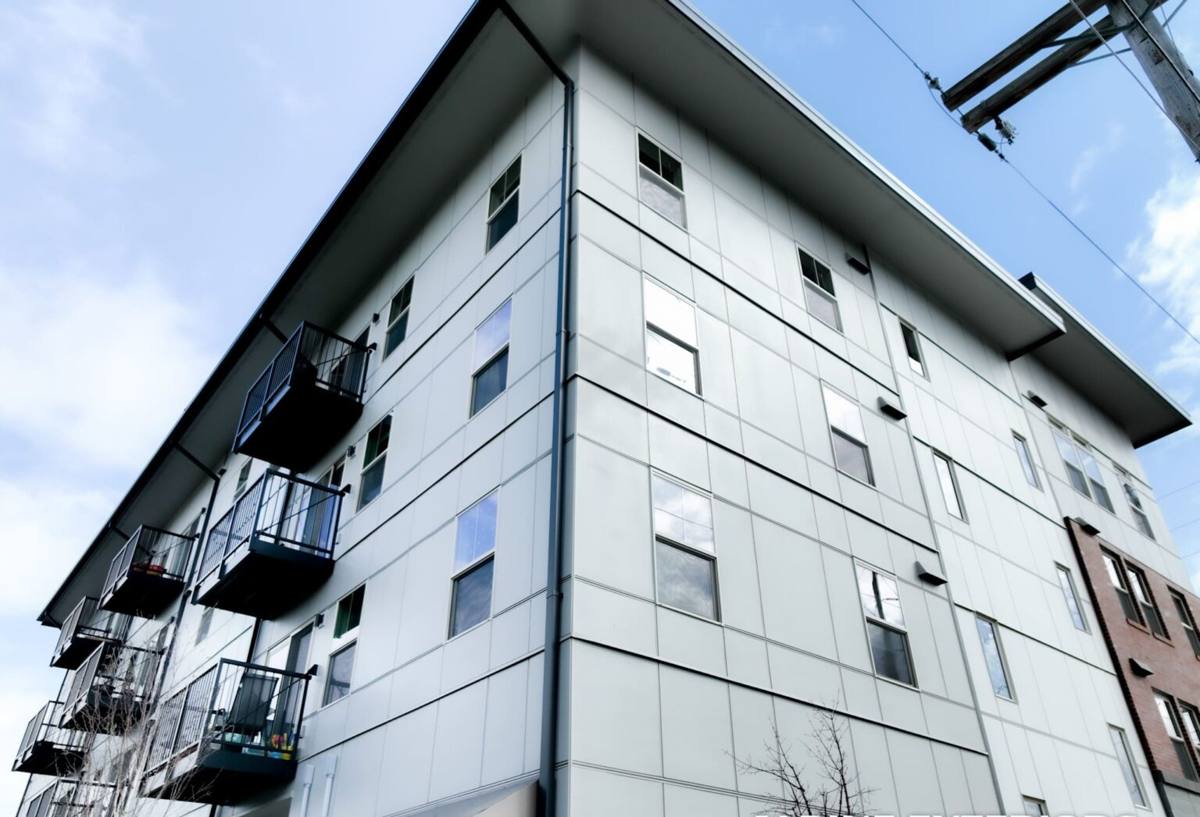
How to Tell a Window Needs Replacing, Not Just Recaulking
Not every problem window needs full replacement. Sometimes a failed bead of caulk or a worn weatherstrip is the actual issue, and replacing the whole unit would be a waste of money. The signs below are the ones that usually mean the window itself — not just the seal around it — has reached the end of its useful life.
- Fogging or a persistent haze between the panes of a double-pane window (the seal has failed and the gas fill is gone)
- Sills or the wood framing around the window that feel soft, spongy, or show visible rot when pressed
- Sashes that stick, won't stay open, or need to be forced to latch
- Noticeable drafts or a cold spot near the window even with it fully closed
- Condensation forming on the inside of the glass regularly, especially on cold, damp mornings
- Visible white corrosion or pitting on hardware, hinges, or the frame's metal components
- Original single-pane wood or aluminum windows that have never been upgraded
If you're seeing one or two of these, it's worth having someone look before assuming the worst. If you're seeing several at once on the same window, replacement is almost always the more cost-effective path than continuing to patch it.
Choosing a Frame Material That Can Handle Salt Air
Frame material matters more here than it does for a home set back from the water. Some materials handle salt exposure and constant damp-dry cycling better than others, and the differences show up in maintenance time and lifespan, not just sticker price.
| Frame Material | Salt Air / Corrosion Resistance | Maintenance Needed | Typical Cost Position |
|---|---|---|---|
| Vinyl | Very good — won't corrode or rust, though hardware inside still needs attention | Low; occasional cleaning and hardware lubrication | Lower to mid |
| Fiberglass | Excellent — stable in temperature swings, resists warping near the shoreline | Low; very stable finish over time | Mid to higher |
| Wood-clad | Good on the exterior cladding, but any exposed or damaged wood is vulnerable in a damp, salty climate | Higher; needs periodic inspection and refinishing | Higher |
We don't rule out wood-clad windows, but we're upfront that they carry a bigger long-term maintenance commitment this close to the water, and any failure in the cladding or sealant gives moisture a path into wood that won't dry out quickly during a Whatcom County winter. For most Birch Bay homes, vinyl or fiberglass hits the best balance of durability and upkeep.
Full-Frame vs. Insert Replacement — Which Fits Your Home
There are two basic ways to replace a window, and the right choice depends on the condition of what's already in the wall, not just personal preference.
Insert (pocket) replacement
A new window unit is fitted into the existing, structurally sound frame. It's faster, less invasive, and costs less — but it only works if the original frame and the wall framing behind it are dry and solid. On a shoreline home, that's the key question, not an assumption.
Full-frame replacement
The window is removed down to the rough opening, exposing the framing, sheathing, and flashing underneath. This is the right call when there's any sign of water intrusion, rot, or when we're changing window size or style. It costs more and takes longer, but it's the only way to actually fix a moisture problem instead of building a new window on top of one.
We won't recommend an insert replacement over a window we suspect has a wet or damaged frame behind it just to save a day of labor — that decision gets made after we've actually opened things up enough to see what's there, not guessed at from the outside.
What Correct Installation Actually Involves
Flashing and drainage
The single biggest factor in whether a window lasts on a home like this is what happens behind the trim, where nobody sees it. That means a proper sill pan to direct any water that gets past the glass back outside, flashing tape integrated correctly with the home's weather-resistive barrier (not just caulked over the top of it), and a drainage path so water doesn't pool against the sill. Skipping or rushing this step is the most common reason a "new" window ends up with rot inside the wall a few years later.
Sealant and hardware
We use exterior-grade sealants rated for the temperature and moisture swings this region sees, and we pay attention to hardware finishes — stainless or coated components hold up far better against salt air than bare or lower-grade finishes. It's a small line-item difference that matters a lot over ten or fifteen years.
Fit and finish
Windows get shimmed and squared before they're ever fastened, checked for smooth operation, and the interior and exterior trim is finished to match the rest of the home — not just caulked and left. A window that operates stiffly on day one won't get better with age.
Our Process, From Estimate to Cleanup
- On-site assessment of existing windows, framing condition, and drainage/flashing history
- Honest recommendation on insert vs. full-frame replacement, with reasoning explained, not just a quote
- Precise measurement and window ordering, sized and specified for the actual opening
- Careful removal of the old unit, checking framing condition as we go
- Installation with proper flashing, sill pan, insulation, and sealant
- Interior and exterior trim finish work
- Walkthrough with you to check operation, locks, and finish before we consider the job done
- Full cleanup — old windows and debris hauled off, work area left clean
We give straight timelines up front. Weather windows matter for this work — you don't want a frame opened up during a stretch of driving rain — so scheduling around the forecast is part of doing this correctly in this climate, not an excuse for delay.
Why a Crew That Already Works Birch Bay Matters
Window replacement done right depends on understanding the specific conditions a home is facing, and a home that fronts the water deals with wind and moisture differently than one set back in the trees. A crew that regularly works this stretch of Whatcom County has already seen how these homes age — which sides take the worst of the wind-driven rain, how salt exposure shows up in hardware and finishes over time, and what corners simply can't be cut on a job like this.
That local experience also means fewer surprises with permitting and inspection expectations, and a realistic sense of how long materials actually take to arrive and how weather affects scheduling out here versus a job across the county. It's the difference between a contractor applying a generic process and one who's adjusted that process specifically for this environment.
Protecting Your New Windows After Installation
A well-installed window still benefits from basic upkeep, especially this close to the water:
- Rinse salt film off frames and glass periodically, especially after storms or high-wind stretches
- Lubricate hardware — hinges, locks, cranks — once or twice a year to keep salt buildup from seizing moving parts
- Check that weep holes along the bottom of the frame stay clear of debris so water can drain as designed
- Inspect exterior caulking and sealant lines annually, particularly before the wettest months set in
- Watch for any soft spots developing in nearby trim or siding, since that's often the first visible sign of a flashing issue
None of this is heavy maintenance, but skipping it is how a well-installed window ends up with an avoidable problem five or ten years down the road.
If you're dealing with drafty, stuck, or fogged windows at your Birch Bay home, we're happy to take a look and give you a straight answer on what it needs — insert or full-frame, one window or the whole house. Use the form below to request a free, no-pressure estimate.