 Lynden Siding
 Storm Damage Roof Repair for Acme Homes
Acme sits up the valley from Lynden, tucked against the foothills where the terrain climbs toward Mount Baker. That location means more tree cover, more elevation-driven rainfall, and more exposure to the wind gusts that funnel down the Nooksack River valley during winter storms. When a system rolls through, roofs out here take a different kind of beating than roofs in town — falling limbs, wind-lifted shingles, and driving rain that finds its way into any weak spot in the roofing system. Storm damage repair in Acme isn't just patch-and-go work. It's diagnosing what the storm actually did, fixing it correctly, and making sure the next storm doesn't find the same weakness.
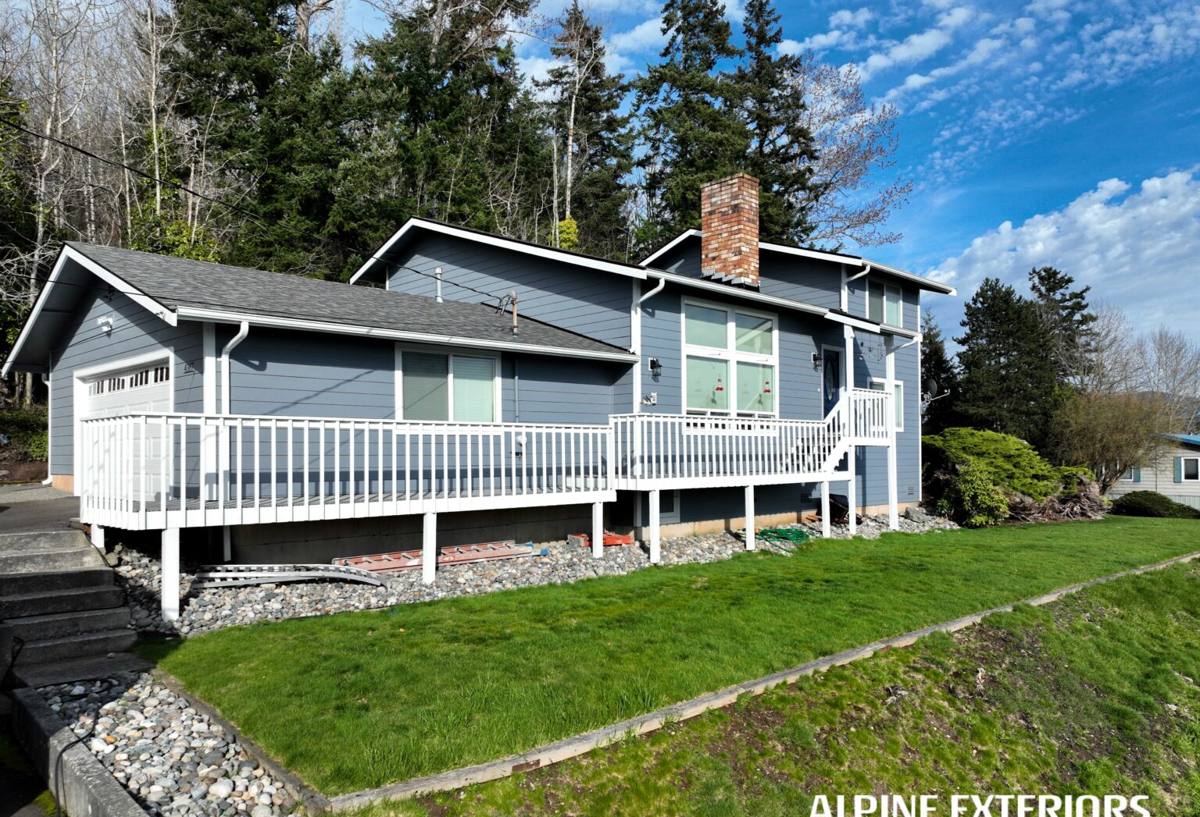
What Storm Damage Actually Looks Like
Homeowners often assume storm damage means a hole in the roof or a tree through the living room. Most of the time it's far less dramatic and far easier to miss. The damage that causes the most long-term trouble is usually quiet.
Common signs after a storm
- Shingles that are creased, lifted at the edges, or missing entirely, especially on the side of the roof that faces the prevailing wind
- Granules collecting in gutters or at the base of downspouts — a sign the shingle surface has been stripped by wind-driven debris
- Small punctures or bruising from wind-thrown branches, twigs, or cones, which are easy to overlook from the ground
- Flashing that's been bent, pulled loose, or separated around chimneys, vents, and skylights
- Water stains on interior ceilings or in the attic that show up days after the storm, once enough rain has worked through a compromised spot
- Sagging or soft-feeling sections of roof deck, which usually mean water has been getting in for longer than one storm cycle
Some of this damage is obvious from the driveway. A lot of it isn't, which is why a proper storm inspection means getting on the roof, not just looking at it from the yard.
Why Acme's Setting Puts Extra Stress on Roofs
Every roof in Whatcom County deals with rain. What sets a place like Acme apart is the combination of tree cover, elevation, and storm exposure working together.
Tree cover and windthrow
Properties surrounded by mature fir and cedar are more likely to take direct hits from broken limbs during high wind events, and more likely to accumulate needles and debris in valleys and behind chimneys year-round. That debris holds moisture against the roofing material and accelerates wear long before an obvious storm event ever happens.
Rainfall and moss season
Foothill communities tend to see higher annual rainfall than the lowland areas closer to town, and that extra moisture, combined with shade from surrounding trees, extends the moss season considerably. Moss doesn't just look bad — it lifts shingle edges as it grows, holds water against the roof deck, and works its way under flashing over time. A storm that hits a moss-compromised roof does more damage than the same storm would do to a clean one.
Wind funneling
Valley terrain can accelerate and redirect wind in ways that flatter, more open ground doesn't. That's part of why two houses a few miles apart can come out of the same storm with very different amounts of damage.
What a Correct Repair Actually Involves
Storm damage repair done right isn't just replacing the shingles you can see are missing. It's a sequence, and skipping steps is how homeowners end up calling back a year later with the same leak.
1. Full roof and attic inspection
We check the entire roof plane, not just the area the homeowner points out, because wind damage rarely stays confined to one spot. We also check the attic from the inside for water intrusion, since interior signs often reveal the true extent of a leak better than what's visible from the roof surface.
2. Deck assessment
If water has been getting in for more than a few days, the roof deck underneath may be softened or delaminating. Replacing shingles over a compromised deck doesn't fix anything — it just covers the problem back up.
3. Underlayment and flashing repair
Flashing around chimneys, skylights, and vents fails more often than the shingle field itself. It gets bent or pulled loose in wind, and a lot of "mystery leaks" trace back to flashing rather than the shingles people assume are at fault.
4. Matching materials correctly
Patch repairs should match the existing roofing material in profile, color, and manufacturer where possible. A mismatched patch is a cosmetic problem today and often a performance problem later, since different shingle lines don't always seal or wear the same way.
Our Process, Start to Finish
When you call after a storm, here's what to expect:
- Prompt inspection. We get out to assess the damage quickly, especially if there's active leaking or exposed deck that needs to be protected before the next rain.
- Temporary protection if needed. If the roof is open to the weather, we'll get it tarped or covered before we leave, so you're not exposed while repairs are scheduled.
- Written scope and estimate. You get a clear explanation of what's damaged, what needs to happen to fix it correctly, and what it will cost — no vague line items.
- Repair. We do the work to match your existing roof system, not a shortcut version of it.
- Follow-up check. After a repair, we want to know the fix held. If something isn't right, we come back and make it right.
Repair or Replace? What Actually Determines It
Not every storm-damaged roof needs full replacement, and not every roof can be reasonably patched. The right call depends on a few factors working together.
| Factor | Leans toward repair | Leans toward replacement |
|---|---|---|
| Age of roof | Under 12-15 years, most of the roof life still ahead | Near or past the material's expected lifespan |
| Extent of damage | Isolated to one section or a handful of shingles | Spread across multiple roof planes |
| Deck condition | Solid, dry, no soft spots | Soft, delaminated, or water-stained in multiple areas |
| Moss/algae history | Minimal, well-maintained roof | Heavy, longstanding moss growth undermining the whole surface |
| Material availability | Matching shingles still manufactured | Original product discontinued, patch will visibly mismatch |
We'll always tell you honestly which category your roof falls into. A repair that's likely to fail again within a year or two isn't a good use of your money, and we'll say so rather than sell you a patch we don't believe in.
Insurance and Documentation
Wind and storm damage is often covered under homeowners' insurance, but the claim process goes smoother when the damage is documented properly and promptly. We provide a written inspection report and photos that describe the damage in terms insurance adjusters recognize, which helps avoid disputes over whether damage is storm-related or pre-existing wear. We're happy to walk the roof with an adjuster if that's useful, and we'll always give you our honest read on the roof's condition rather than shading it toward whatever gets the biggest claim approved.
Why It Matters That We Already Work in Acme
A crew that regularly works this part of Whatcom County knows what a normal amount of moss growth looks like out here versus what's actually a problem, understands how the valley's wind patterns tend to concentrate damage on certain roof faces, and isn't guessing about how local tree cover affects a roof's maintenance needs. That local familiarity shortens the inspection, sharpens the diagnosis, and means we're not learning the area on your roof. It also means when a widespread storm hits the valley, we're already positioned to respond to Acme quickly rather than routing a crew out from somewhere with no connection to the area.
After a Storm: A Quick Homeowner Checklist
- Walk the yard and check for shingle granules or shingle fragments on the ground before assuming there's no damage
- Check the attic (if accessible) for new water stains, damp insulation, or daylight coming through the roof deck
- Photograph any visible damage from the ground for your own records, before repairs begin
- Avoid getting on the roof yourself, especially in the days right after a storm when surfaces are wet and debris is loose
- Call for an inspection promptly — a small area of exposed deck can turn into a much larger repair if it sits through another rain event
- Keep receipts and notes if you arrange any temporary protection yourself, in case they're needed for an insurance claim
If a recent storm has you wondering what's going on up there, we're glad to take a look. We offer free, no-pressure estimates for storm damage repair in Acme and the surrounding Lynden area — use the form below to get one scheduled.