 Lynden Siding
 Board & Batten Siding, Built for the Fraser Valley Climate
Board and batten has become one of the most requested siding styles for homes in and around Abbotsford, BC — and it's easy to see why. The bold vertical lines read as modern on a new build and as classic farmhouse on an older one, and it pairs well with the mix of architectural styles you see throughout the Fraser Valley. But the look is only half the story. In this climate, board and batten also has to perform: it needs to shed driving rain, resist the salt-laden air that moves in off the Strait and up the valley, and stand up to a moss season that can run most of the year. A siding style this visually simple hides a lot of technical detail in how it's actually built, and that detail is where homes either hold up for decades or start showing problems in five to seven years.
We're based in Lynden, Washington, just south of the border, and we've built our crew's schedule around serving both sides of the line — including Abbotsford and the surrounding Fraser Valley. That means when we talk about what board and batten needs to survive here, we're talking about conditions we see on job sites every week, not a generalized description pulled from a manufacturer's brochure.
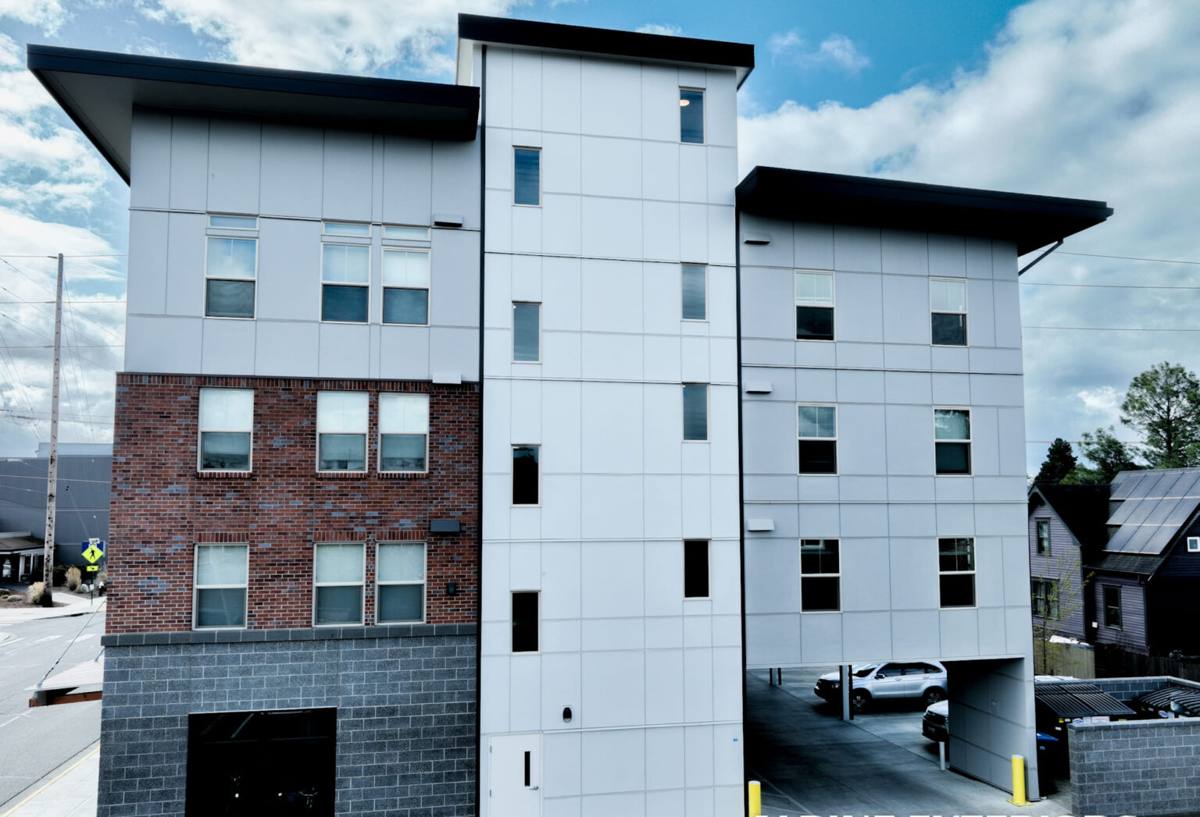
What This Climate Actually Does to Vertical Siding
Salt Air and Coastal Moisture
Even well inland from open water, homes throughout this region deal with salt-bearing air carried in on coastal weather systems. Salt air accelerates corrosion on fasteners, flashing, and any metal trim components, and it also speeds up the breakdown of paint films that aren't engineered to resist it. On board and batten specifically, this matters at every batten strip — each one is a seam, and every seam is a place where a compromised fastener or a failing paint film can let moisture start working its way into the wall assembly.
Driving Rain
Wind-driven rain is the real test for any vertical siding profile. Horizontal lap siding is naturally self-shedding — each course overlaps the one below it, so water runs down and off. Board and batten doesn't have that built-in overlap at every joint; it relies on the batten covering the seam between boards and on a correctly built drainage plane behind the whole assembly to manage any water that does get past the surface. When that drainage plane is missing or poorly detailed, board and batten is far more likely than lap siding to trap moisture at the seams.
A Long Moss and Algae Season
Damp, mild winters and shaded exposures on the north and east sides of a house create ideal conditions for moss and algae growth for much of the year. Moss holds moisture against the siding surface, and on untreated wood-based products that constant dampness is often where rot gets its start. The material and the finish both need to resist this, not just look good on install day.
What a Correct Board & Batten Installation Involves
Board and batten looks simple from the curb — vertical boards, battens over the seams — but the assembly behind it is what determines whether it lasts. A correct installation includes:
- A continuous water-resistive barrier installed and lapped correctly behind the siding, not just tucked in around openings.
- A drainage gap (typically furring strips) behind the panels so any moisture that reaches the back of the siding has somewhere to go instead of sitting against the wall sheathing.
- Correct fastener placement and spacing at both the board and the batten, matched to the manufacturer's engineering specs for wind and structural performance.
- Proper flashing at every window, door, roofline, and horizontal trim transition — the places where the vast majority of siding failures actually start.
- Expansion gaps at joints and terminations, since fiber cement moves slightly with temperature and moisture and needs room to do that without buckling.
- Factory-finished material with a paint or coating system engineered to resist coastal UV and moisture exposure, not a site-applied finish that will need recoating far sooner.
Skip any one of these steps and the siding can still look right for a year or two. The problems that show up later — staining at the seams, soft spots at the base, paint failure around trim — almost always trace back to something missed during installation, not a flaw in the material itself.
The James Hardie Products We Use for Board & Batten
We install James Hardie fiber cement exclusively, and for vertical applications that generally means HardiePanel vertical siding paired with Hardie's trim boards to form the batten pattern, or their Artisan line for homeowners who want a more refined, tighter-reveal look. Both are engineered fiber cement, not wood, which matters directly for the conditions described above:
- Fiber cement doesn't absorb moisture the way wood-based or engineered-wood siding can, which limits the rot risk in a climate where moss and dampness are a near-constant presence.
- It's non-combustible, which is a meaningful consideration anywhere wildfire smoke and dry summer stretches have become part of the regional pattern.
- James Hardie's ColorPlus factory finish is baked on under controlled conditions and backed by its own finish warranty, so the color and coating are built to resist the fading and film breakdown that salt air and UV exposure cause faster on site-painted materials.
- Hardie's HZ product designations are engineered for specific climate zones, addressing moisture and freeze-thaw behavior rather than using one generic formulation everywhere.
We don't install LP SmartSide, vinyl, Cemplank, Allura, or bare cedar or spruce board and batten. Some of those products have real strengths, but after years of installation and callback experience, James Hardie is the one we're willing to put our name behind and back with a real installation warranty.
Board & Batten Compared to Other Vertical Siding Options
| Material | Moisture Behavior | Finish Longevity | Fire Resistance |
|---|---|---|---|
| James Hardie Fiber Cement | Does not absorb moisture; engineered drainage plane required behind it | Factory ColorPlus finish, warrantied | Non-combustible |
| Engineered Wood (e.g. LP-type products) | Wood-based core; vulnerable at cut edges and exposed seams if not fully sealed | Site or factory finish, variable lifespan | Combustible |
| Vinyl Board & Batten | Doesn't rot, but can warp or buckle with heat and doesn't manage a true drainage plane the same way | Color molded in but fades and chalks over time | Combustible, can deform in heat |
| Raw Cedar or Spruce | Natural wood; absorbs moisture and requires ongoing sealing to resist rot | Needs recoating every few years | Combustible |
Our Process, From Estimate to Finished Siding
For Abbotsford-area homeowners, our process is the same as it is on our home turf, with a bit of extra planning built in for the cross-border logistics:
- Free, no-pressure estimate. We look at the home's current siding, wall assembly, and exposure — which sides catch the most wind-driven rain, where moss has already taken hold, where sun exposure is heaviest.
- A written scope that spells out the Hardie product line, the drainage and flashing details specific to your home, and a realistic timeline.
- Tear-off and inspection of the wall sheathing once the old siding is off, so any hidden moisture damage is caught and addressed before new siding goes up over it.
- Installation to manufacturer spec — water-resistive barrier, furring strips for the drainage gap, correct fastening, and flashing at every transition.
- A final walkthrough so you know exactly what was done and what, if anything, needs periodic attention going forward.
Living With Board & Batten in This Climate
Correctly installed James Hardie board and batten is a low-maintenance siding, but "low-maintenance" isn't "no-maintenance." A few habits go a long way in this climate:
- Rinse off accumulated moss, pollen, and grime once or twice a year, especially on shaded north- and east-facing walls.
- Keep gutters clear and downspouts directed away from the foundation — overflowing gutters are one of the most common sources of concentrated water damage at the base of any siding system.
- Trim back shrubs and trees so foliage isn't holding moisture against the wall surface.
- Walk the exterior once a year and look at caulking around trim and penetrations — caulk is a maintenance item on every siding system, no matter the material.
- Have any impact damage or gaps at trim addressed promptly rather than waiting — small gaps are cheap to fix and expensive to ignore.
What Drives the Cost of a Board & Batten Project
| Factor | Why It Matters |
|---|---|
| Current wall condition | Rot or moisture damage found during tear-off adds sheathing repair before new siding can go up |
| Home size and wall complexity | More corners, gables, and trim details mean more labor and material for a clean batten layout |
| Product line selected | Standard HardiePanel versus the Artisan line carries a different material cost and finish detail |
| Color and finish | ColorPlus factory finishes come in a range of standard colors; custom site-painting adds cost |
| Trim and detail work | Corner boards, window trim, and fascia detailing all factor into total scope |
We don't quote a number without seeing the house — anyone who does is guessing. What we can tell you honestly is that cutting corners on the drainage details behind board and batten to save money up front is one of the most common causes of expensive repairs five or ten years down the road.
Why It Matters That We Already Work in Abbotsford
Lynden sits right at the border, and a meaningful share of our work is on the Canadian side of it in Abbotsford and the wider Fraser Valley. That's not incidental to how we plan a project — it means we already understand the logistics of moving crews and material across the border efficiently, we're used to the exposure patterns specific to this part of the valley, and we're not learning the region on your job. A crew that's worked the streets around your home before knows which walls typically take the worst of the driving rain and where moss tends to establish first, and that shapes how we detail the drainage plane and flashing before the first board ever goes up.
If your current siding is showing moss staining, soft spots, or paint that's failing faster than it should, or if you're planning new construction and want board and batten done with the drainage details that actually hold up here, we'd be glad to take a look. Reach out for a free, no-pressure estimate using the form below.